Last updated: July 18th, 2022 at 12:12 UTC+02:00
SamMobile has affiliate and sponsored partnerships, we may earn a commission.
Reading time: 4 minutes
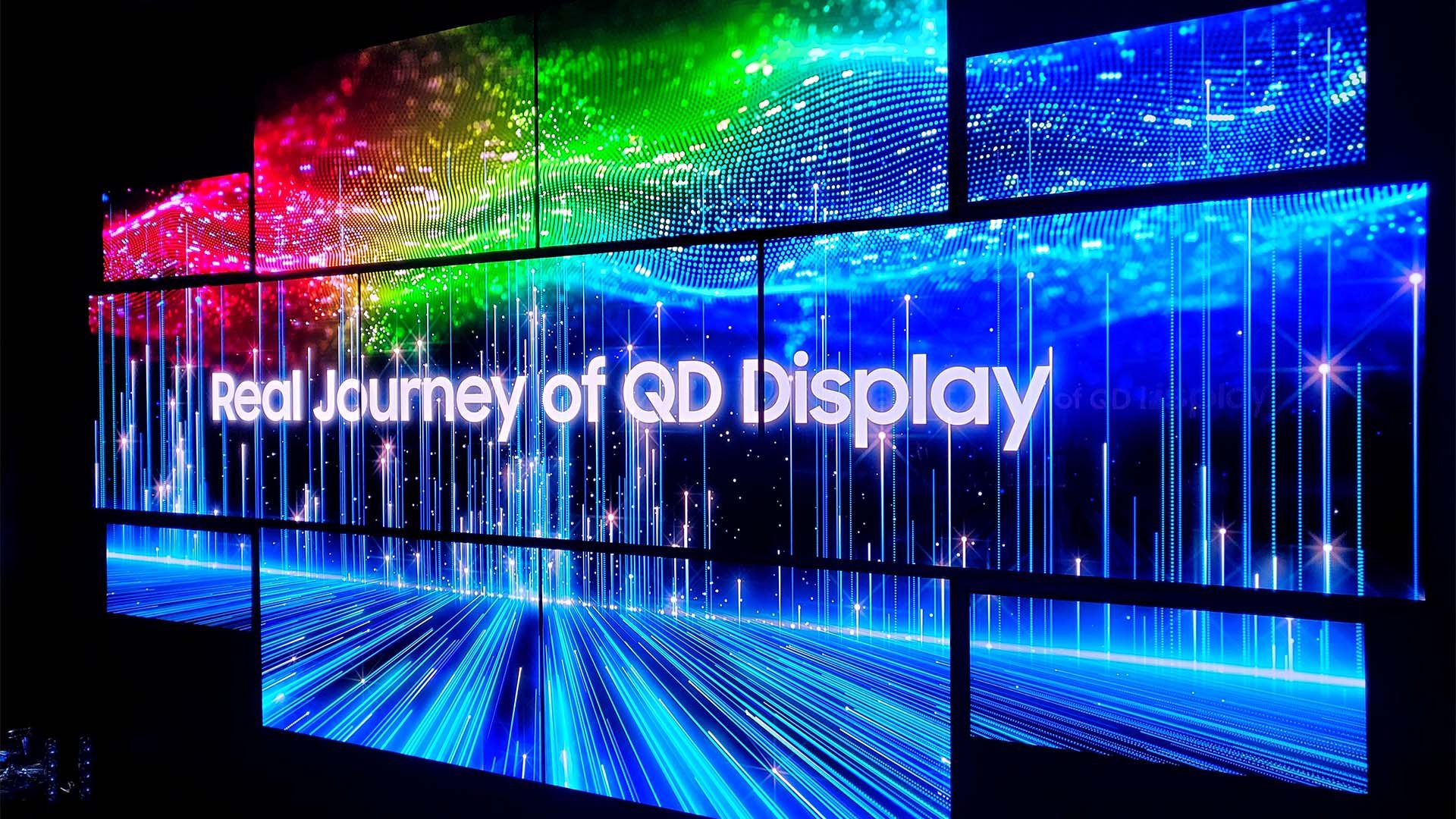
Despite QD-OLED and QLED displays featuring quantum dots (also called nanocrystals), they work very differently. QLED TVs use the same LCD panels that we’ve seen for years. Traditional LCDs use a blue backlight and a yellow phosphorous layer to create white light, which is then passed through a color filter to create red, green, and blue lights. However, the white backlight is not very white, so the color reproduction is not extremely accurate.
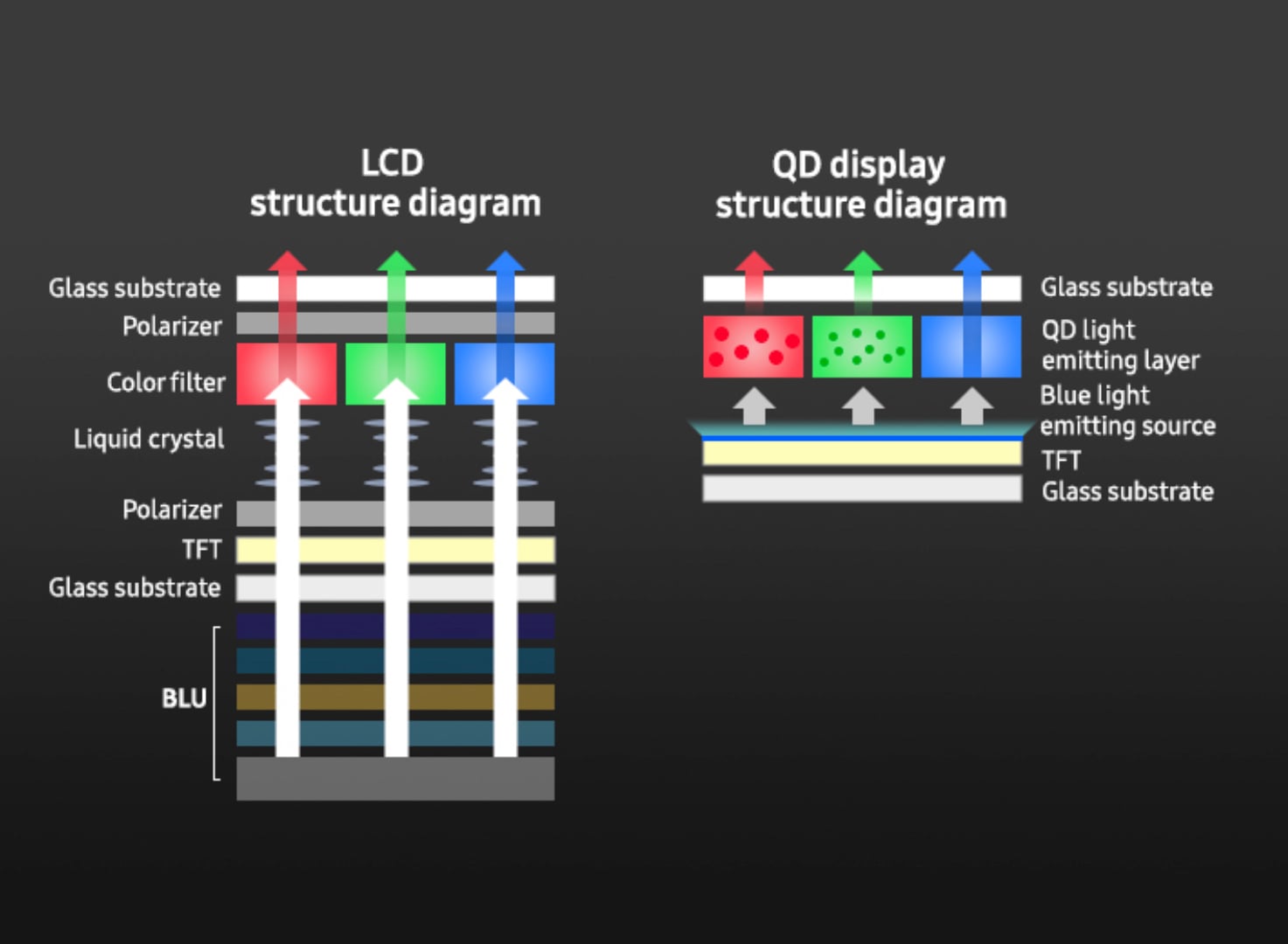
QLED displays use a blue LED light source and a thin sheet of red and green quantum dots (with their size measured in nanometers) to recreate a purer white backlight. That light is passed through a color filter to recreate red, green, and blue. This results in whiter whites and higher color volume while maintaining high brightness levels. This is why Samsung claims that its QLED TVs can reproduce 100% color volume.
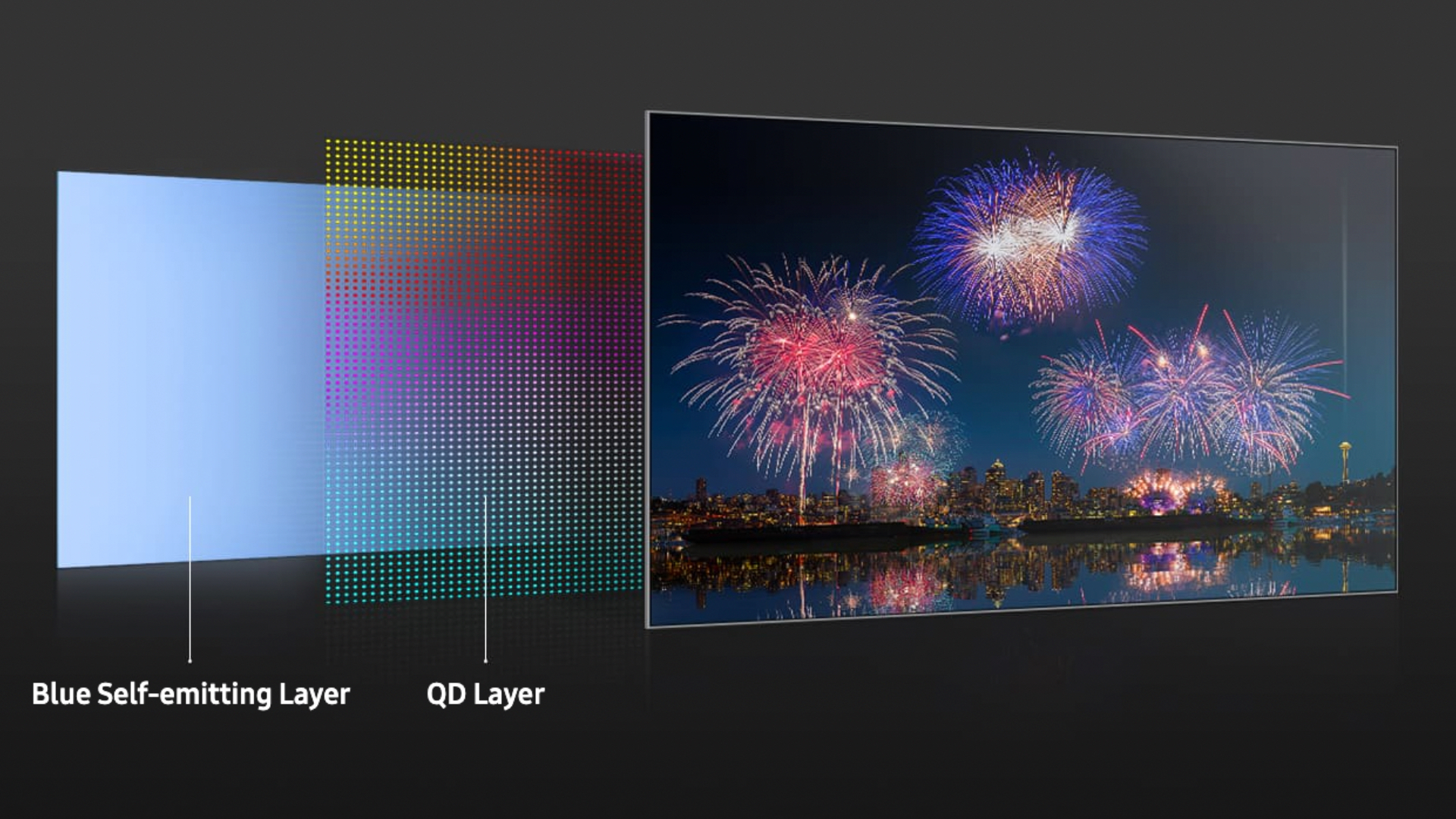
QD-OLED displays use organic material for semiconductors, similar to traditional OLED TVs. LG’s OLED solution uses white OLED and passes that light through a color filter to create red, green, blue, and white. In comparison, Samsung’s QD-OLED tech uses a blue OLED layer as a backlight, and that is passed through quantum dots to create red, green, and blue colors.
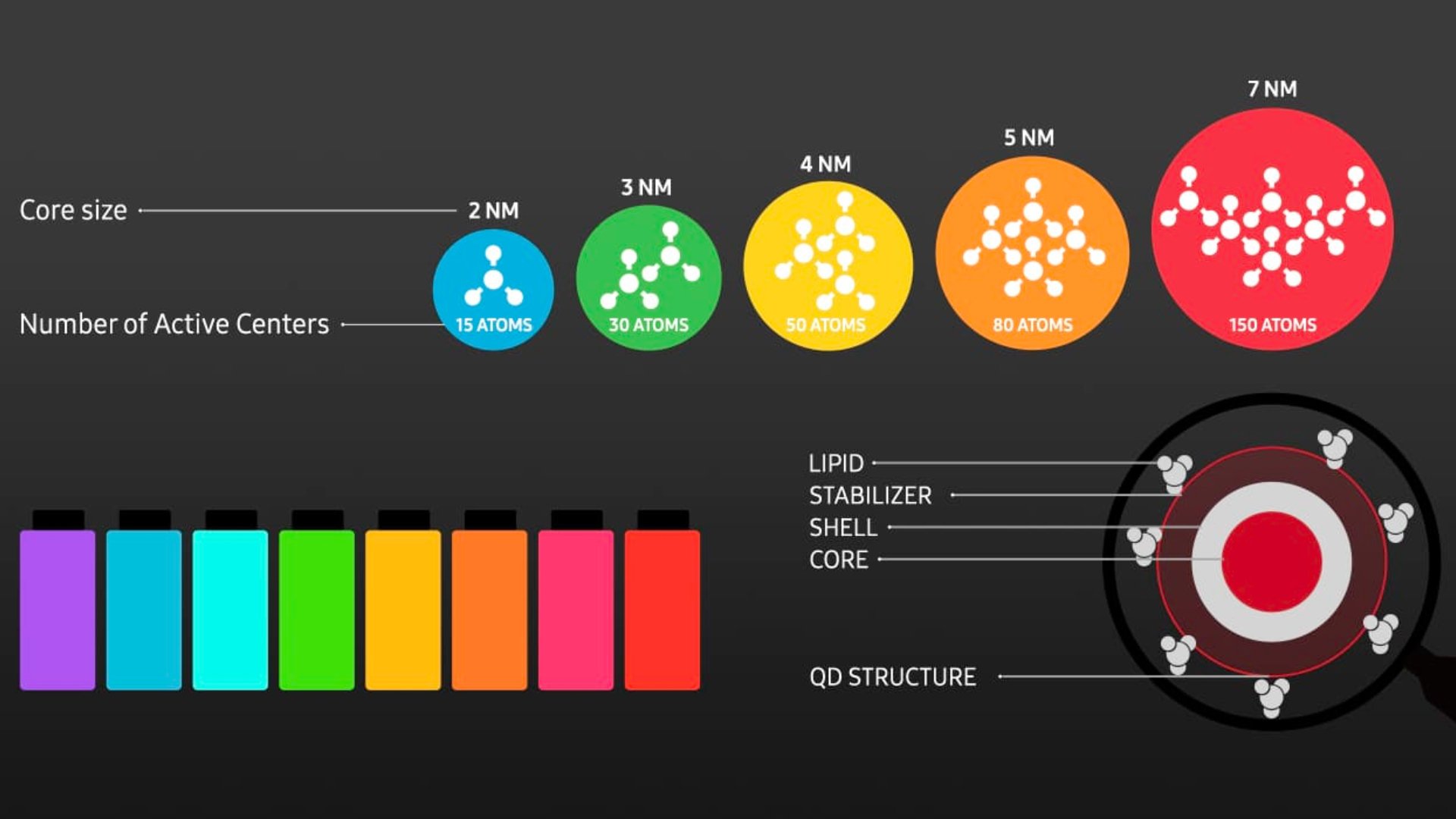
Quantum dots are incredibly tiny. The smallest of quantum dots, such as 2nm, emit blue light, while those measuring 3nm and 7nm can emit green and red light, respectively. They absorb energy from any light source and create pure monochromatic light. Hence, QD-OLEDs can produce pure red, green, and blue colors, producing more accurate colors than typical OLEDs in LG TVs. They can also create higher brightness because there’s no color filter where light loss can happen.
Since QD-OLED TVs use organic material to produce light, they have the same disadvantages as traditional OLEDs. They can’t go as bright as LCD or QLED TVs.
QLED and QD-OLED technologies have their own set of advantages and disadvantages, but when it comes to pure picture quality, QD-OLED has the upper hand.
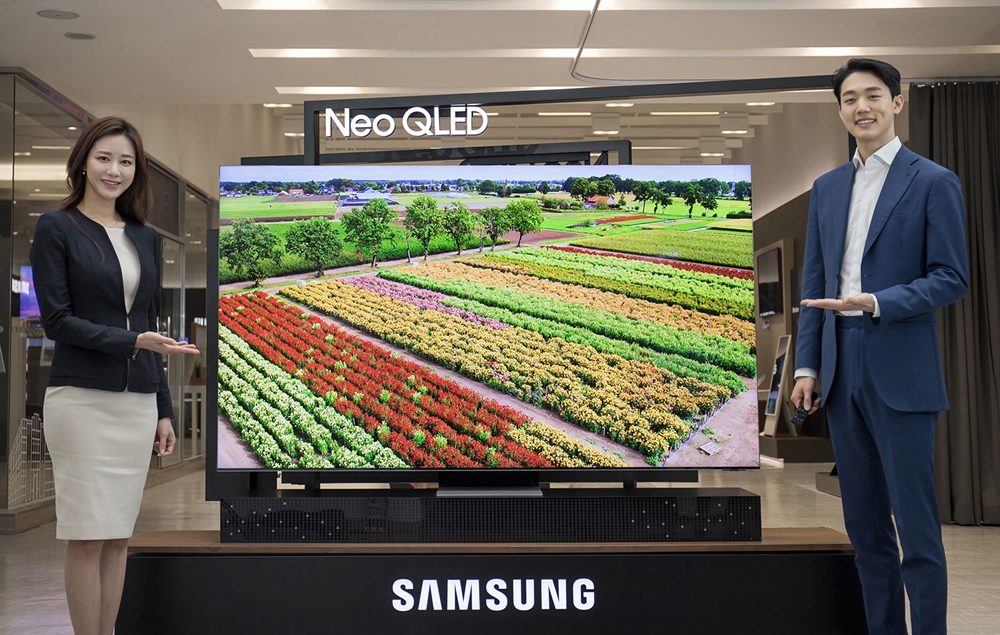
When it comes to pricing, QD-OLEDs have a long way to go before they can match QLED TVs. The 55-inch version of the Samsung S95B QD-OLED TV is priced at $2,0000. In comparison, Samsung Q80A, a QLED TV with full-array local dimming, costs just $1,100. In fact, for the same price of $1,100, you can even get the Samsung QN85A Neo QLED (Mini-LED) TV with full-array local dimming, peak brightness of 1,200 nits, and sustained brightness of up to 650 nits.
If money is no bar, you should opt for QD-OLED TVs for the best possible picture quality for everyday content. If not, you should go with QLED or Neo QLED TVs that offer an excellent price-to-performance ratio.