








Last updated: July 27th, 2026 at 08:14 UTC+02:00


After Galaxy Z Fold 8, Galaxy S27 could use Silicon-Carbon batteries

Samsung is being cautious about using a new battery technology.

Asif Iqbal Shaik

Reading time: 2 minutes

Samsung Galaxy S26 Ultra Back Panel And Rear Cameras

Abhijeet Mishra / SamMobile

Phone

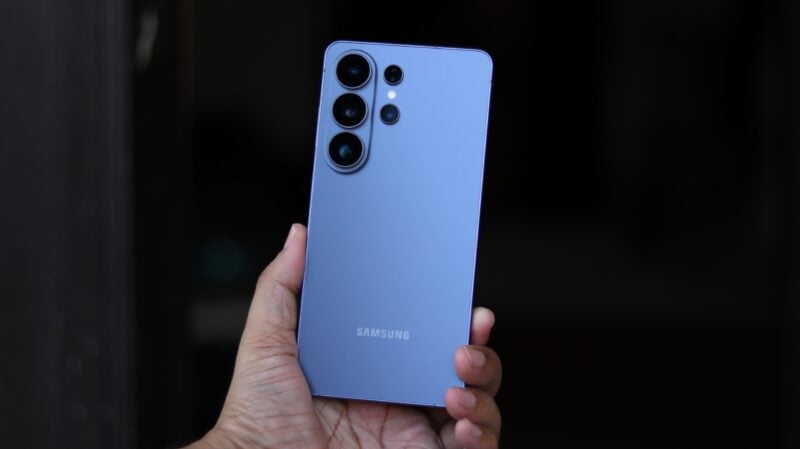
Samsung Galaxy S26 Ultra - Source: Abhijeet Mishra / SamMobile

TL;DR

  • Samsung’s Galaxy Z Fold 8 lineup is the company’s first to use silicon-carbon anode batteries, enabling higher capacity in the same battery size.
  • Samsung is reportedly considering the same battery tech for the Galaxy S27 series, which could boost the Ultra model to around 5,600mAh to 5,700mAh.
  • Silicon-carbon batteries offer more energy density but can swell more easily, so Samsung is adding structural protections and strict quality checks.

The Galaxy Z Fold 8 and Galaxy Z Fold 8 Ultra are Samsung's first phones to use silicon-carbon anode batteries. The company is now reportedly considering using similar batteries in the Galaxy S27 series, which is expected to launch early next year. This could give those upcoming phones higher battery capacities.

Galaxy S27 series could use Silicon-Carbon anode batteries for higher capacity

Silicon-carbon anode batteries replace traditional graphite with silicon-carbon materials, improving energy density. For example, Samsung was able to fit around 14% more battery capacity into the Galaxy Z Fold 8 Ultra by using a silicon-carbon anode battery in the same footprint as the Galaxy Z Fold 7's 4,400mAh conventional lithium-ion battery.

If the Galaxy S27 Ultra uses the same technology, a 14% increase over the Galaxy S26 Ultra's 5,000mAh conventional battery could result in a battery capacity of around 5,600mAh or 5,700mAh. This could give the phone a better chance of competing with rival phones from Chinese brands, which use third-generation silicon-carbon batteries with capacities ranging from 6,000mAh to 7,500mAh.

Silicon-Carbon Battery

Buy Galaxy Z Fold 8

Samsung Store

While silicon-carbon batteries have higher energy density, they also have one major disadvantage: battery swelling. Because silicon expands and contracts during repeated charging and discharging, batteries can swell earlier than conventional batteries. Samsung has redesigned the battery structure to reduce swelling by using the following measures:

  • Advanced coating and doping technologies to resist high-voltage stress and prevent battery failure
  • Special reinforcing additives that create a protective film on the anode to control expansion and reduce silicon reactivity
  • A highly porous structure for improved ion movement while maintaining structural and thermal strength

Given its past battery mishaps, particularly with the Galaxy Note 7, Samsung has been cautious about using battery technologies that have not been tested for a long time. The company has now set strict quality standards for silicon-carbon anode batteries before using them in more phones.