


Last updated: October 20th, 2026 at 07:28 UTC+02:00


Samsung secures its profits for the next 5 years amid AI boom

But it also means more trouble for the company's smartphone division, which is already reeling with lower sales and losses.

Asif Iqbal Shaik

Reading time: 2 minutes

Samsung HBM4E Memory Chip

Samsung

Business

HBM4E chips from Samsung

TL;DR

  • Samsung has locked in five-year supply contracts for 70% of its general-purpose DRAM and all of next year’s HBM output.
  • AI-driven chip shortages are pushing memory prices higher, with HBM expected to rise 100% to 150% next year and DRAM to follow in 2027.
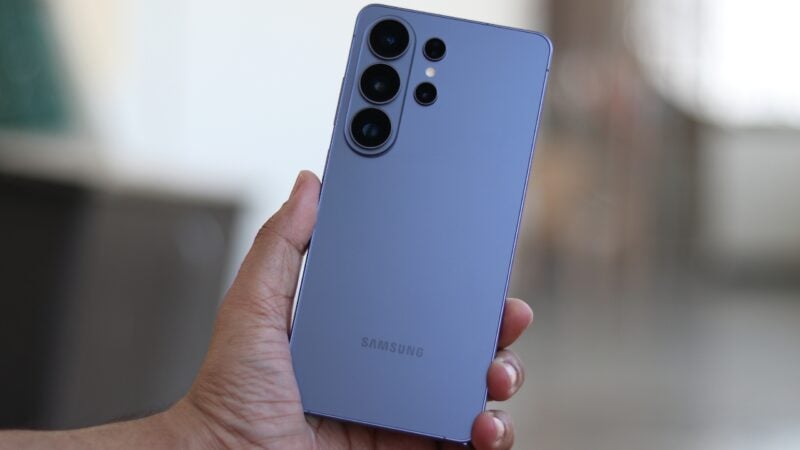
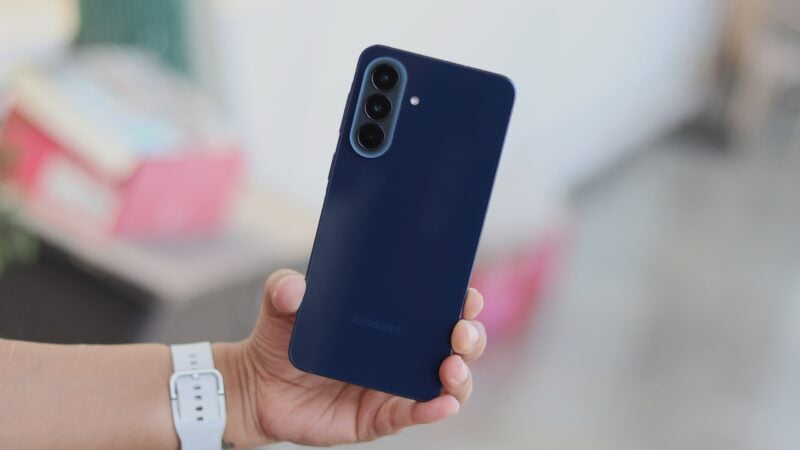
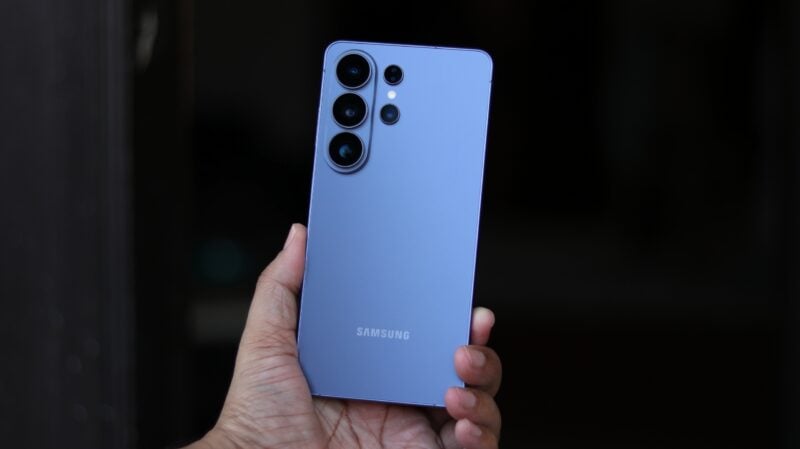
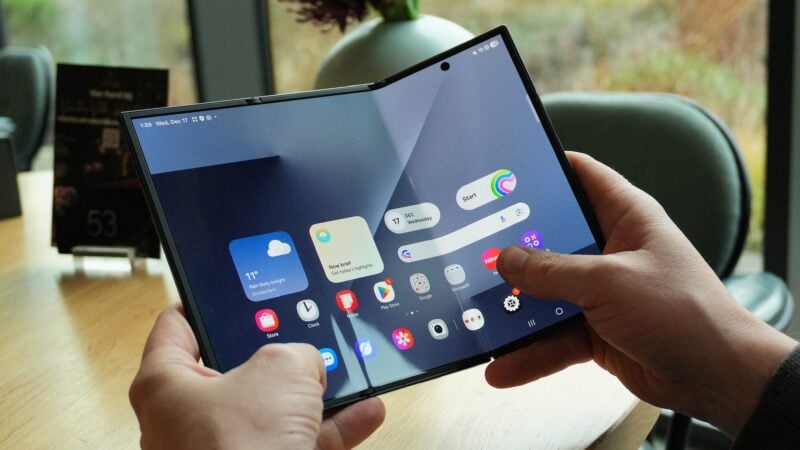
  • The strong memory-chip pricing outlook could boost Samsung’s profits, but it may also raise costs and prices for Galaxy devices.

Due to the ongoing artificial intelligence (AI) boom, there has been a severe shortage of memory chips globally. This has caused memory chip prices to rise exponentially, allowing Samsung, the world's biggest memory chip maker, to reap immense profits. Now, the company has secured its profits for the next five years through long-term contracts.

70% of Samsung's DRAM chip supply is already sold for the next five years

A Yonhap News report claims that Samsung has already signed five-year supply contracts with global tech giants for 70% of its general-purpose DRAM chips and 100% of its high-bandwidth memory (HBM) chips produced next year. Other companies are reportedly fiercely competing for the remaining uncontracted 30% of the general-purpose chip supply.

The average price of HBM is expected to jump 100 to 150% next year, driven by sales of next-generation HBM4 chips. This is expected to trigger a double-digit price increase for general-purpose DRAM in the first quarter of 2027.
Since most of Samsung's memory chip volume is already locked into long-term contracts at rising prices, KB Securities views the company's profit growth for next year as almost guaranteed.

However, this could spell trouble for Samsung MX, which sells laptops, phones, tablets, and wearables. Higher DRAM prices mean increased manufacturing costs for these products. As a result, Galaxy devices could become even costlier following a series of price hikes over the past year.