Published: May 14th, 2026 at 08:00 UTC+02:00
SamMobile has affiliate and sponsored partnerships, we may earn a commission.
Reading time: 7 minutes
Simplifying your phone interface involves removing visual clutter, streamlining navigation, and organising apps to create a more user-friendly experience. This means using larger icons, reducing unnecessary features, and focusing on the functions you actually need. Modern smartphones often come with complex default setups that can overwhelm users, but simple configurations make daily tasks easier and faster to complete.
Phone interface simplification means reducing visual complexity and streamlining your device's layout to focus on what matters most. This involves removing unnecessary apps, enlarging text and icons for better visibility, and creating cleaner home screen arrangements that eliminate distractions.
The difference between complex default setups and simplified configurations is quite significant. Most phones come loaded with dozens of pre-installed apps, multiple home screens filled with widgets, and notification systems that constantly demand attention. A simple phone interface strips away this complexity, presenting only the apps and features you regularly use in an organised, accessible way.
| Complex Default Setup | Simplified Interface |
|---|---|
| Multiple home screens with widgets | Single home screen with essential apps |
| Dozens of pre-installed apps | Only frequently used applications |
| Constant notifications and alerts | Selective, priority-based notifications |
| Small icons and text | Larger, more visible interface elements |
Simplification also means customising your phone's appearance and functionality to match your specific needs. This might involve switching to a basic launcher, using high-contrast colours for better readability, or enabling accessibility features that make navigation more intuitive. The goal is to create a phone experience that feels natural and stress-free rather than overwhelming.
People simplify their phones primarily to reduce digital overwhelm and create more focused, manageable technology experiences. Many users find modern smartphones too complex, with endless notifications, apps, and features that distract from their intended purpose.
The main reasons people seek simplified phone interfaces include:
Accessibility needs drive many simplification efforts, particularly for seniors or users with disabilities. Larger text, simplified navigation, and reduced visual clutter help people with vision problems, motor difficulties, or cognitive challenges use their devices more effectively. A streamlined phone apps approach makes technology more inclusive and usable for everyone.
Minimising distractions represents another major motivation. Constant notifications, social media alerts, and app badges create mental fatigue and interrupt daily activities. By implementing a simple phone interface, users regain control over when and how their device demands attention, leading to better focus and reduced stress levels.
Samsung's Easy Mode transforms your device into a phone for seniors or for anyone wanting simplified navigation by enlarging icons, reducing complexity, and creating a cleaner home screen layout. You can activate this feature through your phone's accessibility settings in just a few steps.
Follow these steps to enable Easy Mode on Samsung devices:
Once activated, you'll notice several changes to your Samsung One UI simple experience. The home screen shows fewer apps with larger icons, the keyboard becomes bigger with more spacing between keys, and menu options are reduced to essential functions. You can still access all your apps through the simplified app drawer, but the overall experience becomes much more manageable.
If you want to return to the standard interface later, simply go back to Settings > Display > Easy Mode and select “Standard Mode” to revert the changes.
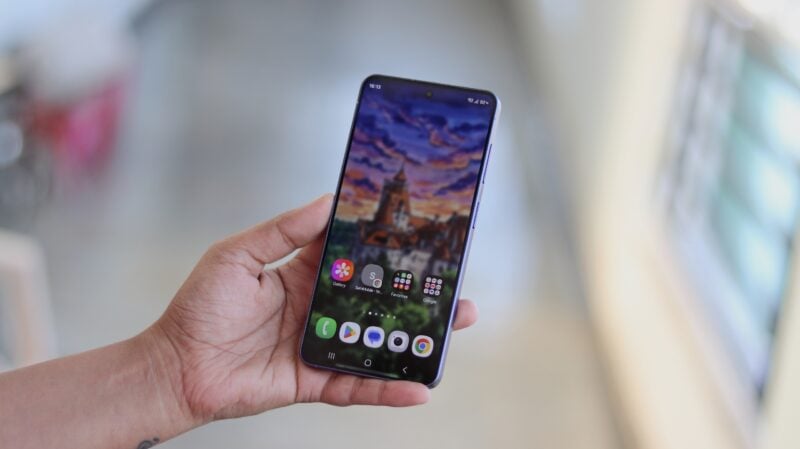
Effective home screen organisation starts with removing unused apps and keeping only your most essential applications on the main screen. This creates a clean, focused environment where you can quickly find what you need without scrolling through multiple pages of icons.
Create logical folders to group similar apps together. For example, place all social media apps in one folder, productivity tools in another, and entertainment apps in a third. Label these folders clearly and position them where you can easily reach them with your thumb. This phone accessibility approach reduces the time spent searching for specific applications.
Arrange frequently used apps in the bottom row of your screen, known as the dock area. These positions remain consistent across all home screens and are easiest to reach during one-handed use. Place your phone, messages, camera, and one or two other essential apps here for quick access.
Use widgets sparingly and only for information you check regularly, such as weather or calendar events. Too many widgets create visual clutter and slow down your device. Consider using a simple wallpaper without busy patterns that might make icons harder to distinguish.
Managing notification settings effectively requires turning off unnecessary alerts and customising which apps can interrupt you throughout the day. Start by reviewing your notification settings and disabling alerts from apps that don't require immediate attention, such as games, shopping apps, or social media platforms.
| App Type | Recommended Setting | Reason |
|---|---|---|
| Phone calls and SMS | Allow all notifications | Essential communication |
| Email (work) | Allow during work hours | Professional necessity |
| Social media | Silent notifications only | Non-urgent updates |
| Games and entertainment | Disable all notifications | Unnecessary distractions |
| Shopping apps | Disable or limit to important updates | Promotional content |
| News apps | Limit to breaking news only | Prevent information overload |
Use Do Not Disturb modes strategically to create focused time periods. Most phones allow you to schedule automatic Do Not Disturb sessions during work hours, meals, or bedtime. You can customise these settings to allow calls from important contacts while blocking other interruptions, creating a minimise phone distractions approach that works for your lifestyle.
Customise notification styles for different apps based on their importance. Allow phone calls and messages to show on your lock screen and make sounds, but set social media and entertainment apps to silent notifications that only appear in your notification panel. This creates a hierarchy where urgent communications get through while less important updates wait for your attention.
Consider turning off badge notifications (the red number indicators) for apps that tend to accumulate many unread items, such as email or news applications. These constant visual reminders create unnecessary stress and pressure to constantly check your device.
Creating a simplified, user-friendly phone interface improves your daily technology experience while reducing digital stress. Whether you're implementing easy phone setup options, organising your home screen more effectively, or managing notifications better, these changes help you maintain control over your device rather than feeling controlled by it. We understand that everyone's needs are different, which is why exploring various simplification options helps you find the perfect balance between functionality and ease of use.
This content was generated with the help of AI — it may contain mistakes

First Samsung device: Galaxy S II
Daniel is the proud co-founder of SamMobile. He joined the SamMobile team in 2011. Most of his spare time is spent enjoying nature (and life in general) with his wife & dog, friends, and family.