Published: October 20th, 2026 at 04:00 UTC+02:00


A critical piece is missing from Samsung's smart home ecosystem

A Bixby-powered smart speaker could make Samsung's smart home ecosystem more accessible and convenient.

Abid Iqbal Shaik

Reading time: 4 minutes

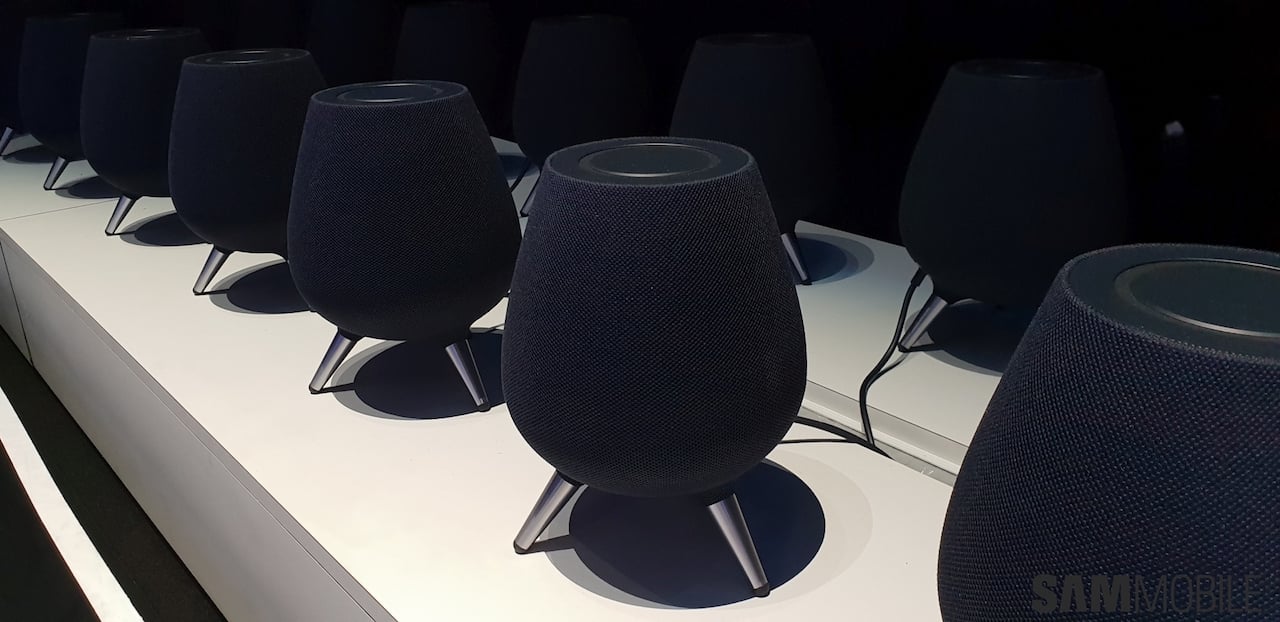
Galaxy Home

Abhijeet Mishra / SamMobile

Opinion

Galaxy Home

The world's four biggest smart home platforms are Amazon Alexa, Apple Home, Google Home, and Samsung SmartThings.

Samsung has one of the broadest portfolios of first-party smart home products and was the fastest to bring support for the latest version of Matter, yet it is surprisingly the only one of the four brands that doesn't offer a dedicated smart speaker.

Amazon has Echo, Apple has HomePod, and Google has Nest. Here are a few reasons why Samsung should follow its rivals and launch a Galaxy smart speaker.

1. Voice commands are the easiest way to control smart home devices

Voice commands are one of the easiest and most convenient ways to control smart home devices. Instead of unlocking a phone, opening an app, and making a few taps and swipes, users can simply ask a voice assistant to turn off the lights, adjust an air conditioner's settings, or control other devices.

Smart speakers with a built-in voice assistant handle everyday tasks much faster than a phone.

2. Phones and appliances aren't a substitute for a smart speaker

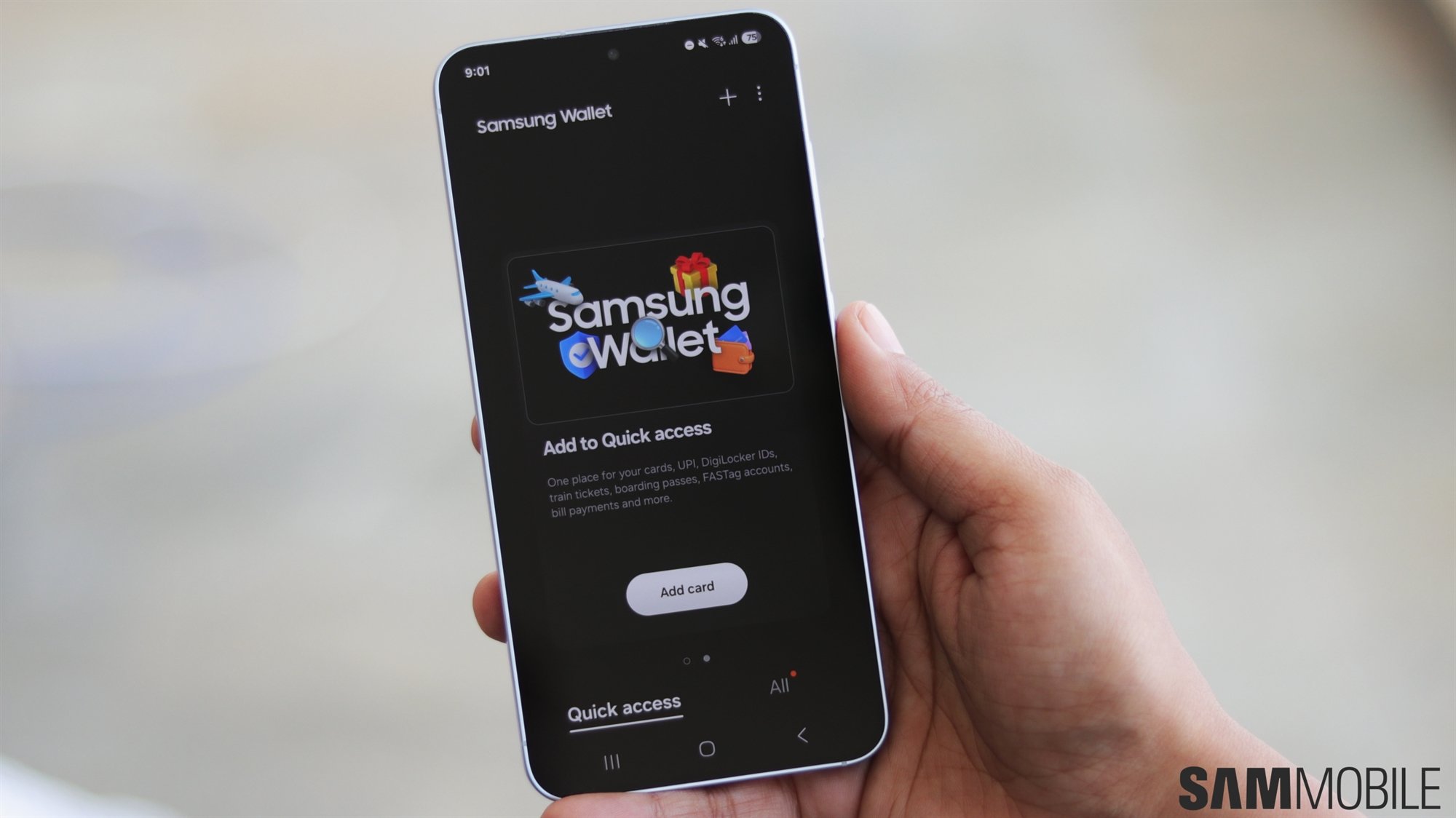
Samsung's AI-powered voice assistant is only available on Galaxy phones, TVs, and select home appliances, most of which cost upwards of $200.

While using voice commands on a smartphone is convenient since people carry them throughout the day, limiting Bixby to these devices forces customers to buy expensive Samsung hardware just to use it.

Since phones, TVs, and appliances don't come cheap, entering Samsung's voice-controlled ecosystem becomes a costly affair. An affordable smart speaker would offer a much cheaper entry point without requiring customers to invest in Samsung's pricier hardware lineup.

Smart speakers also have a practical advantage over phones: far-field microphones designed to pick up voice commands from across the room.

Phones don't hear voice commands as clearly from a distance, and they often require users to unlock the device for security reasons, making them less suitable for hands-free control throughout the home.

3. Other voice assistants can't always match Bixby's device-level control

SmartThings integrates with other services, including Amazon Alexa and Google Home, allowing you to control compatible devices using third-party phones and smart speakers. However, competing voice assistants often lack support for granular appliance features, which is an area where Bixby excels.

For example, Bixby lets users adjust a Samsung air conditioner's wind direction, a specific control that might not be available through Google Home. Capabilities vary by device and integration, but a first-party Bixby speaker would offer the most comprehensive way to control Samsung products.

Although Samsung neglected Bixby for several years after its debut, the company recently upgraded the assistant with large language models (LLMs) that help it understand context and natural language much better.

It also added Perplexity integration to pull more accurate, detailed information from the web. With Bixby more capable than ever, now is the right time to launch a dedicated smart speaker.

4. Attracting buyers who want great audio and smart features

People buy smart speakers for more than just controlling smart home devices. They use them to listen to music, ask questions, set reminders, and manage everyday tasks. Samsung could appeal to these buyers with a speaker that combines everyday utility with deeper SmartThings integration.

Through its Harman subsidiary, Samsung owns 21 audio brands, including Harman Kardon, JBL, Bowers & Wilkins, Denon, Marantz, and Polk Audio. With that level of audio engineering, Samsung could easily build a smart speaker that sounds impressive.

If it delivers on audio quality, buyers might choose a Galaxy smart speaker over an Amazon Echo, Apple HomePod, or Google Nest.

It would be an especially easy sell for people who already own Galaxy devices and want a speaker designed to work seamlessly within the Samsung ecosystem.

A Bixby-powered smart speaker would fill a glaring gap in Samsung's product lineup, make its voice assistant more accessible, and give users a more integrated way to control their connected homes.

Samsung has already built a massive SmartThings ecosystem, and a dedicated smart speaker is the missing link.