





Last updated: August 10th, 2026 at 17:54 UTC+02:00
SamMobile has affiliate and sponsored partnerships, we may earn a commission.
The vertical camera island design has run its course, and it's time for a change.
Reading time: 3 minutes
Abhijeet Mishra / SamMobile
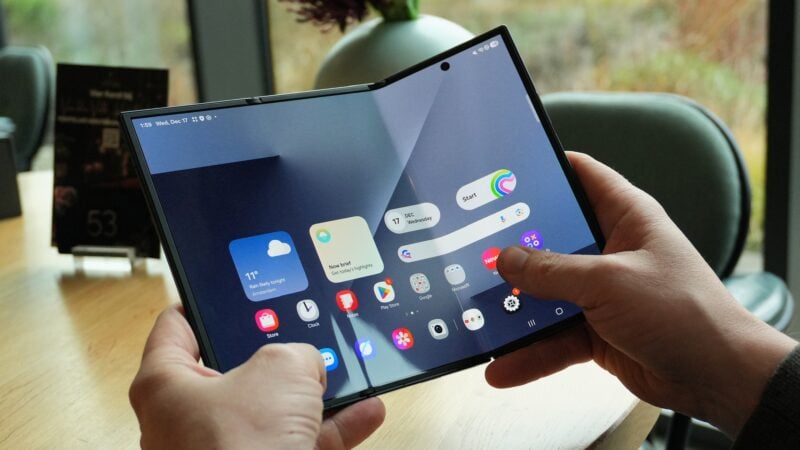
The Galaxy Z Fold 8 has made me realize that Samsung's smartphone camera design really needs to change. And it took several photos ruined by my own finger for me to come to that realization.
A couple of people here at SamMobile are using the Fold 8, and we've all run into the same issue. You open the camera, take a quick photo, and then realize that your finger was partly obstructing the lens.
It's even worse when you use the flash. Even if your finger isn't directly covering it, the flash can catch your finger and leave a reddish haze in the final photo.
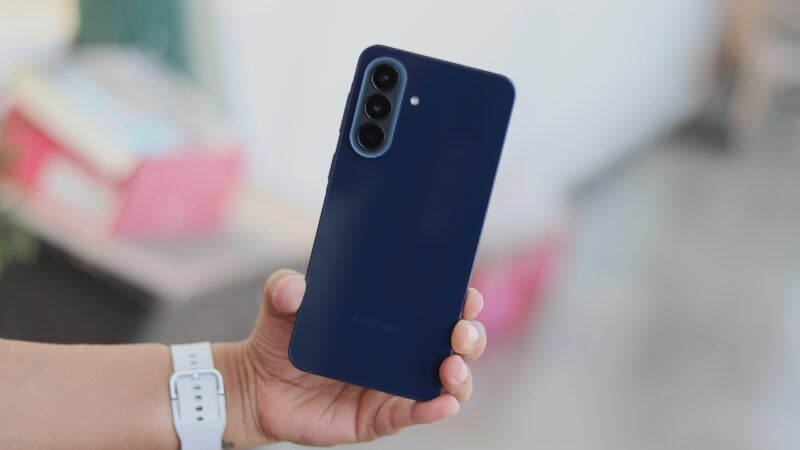
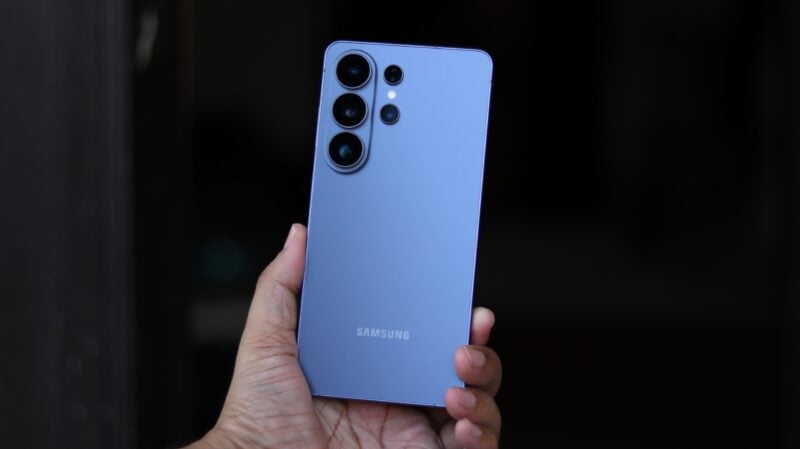
This got us thinking about a larger problem with Samsung's current design language: the vertical camera island. Samsung switched to vertically arranged rear cameras with the Galaxy S20 series in 2020.
You open the camera, take a quick photo, and then realize that your finger was partly obstructing the lens.
The Galaxy Note 10 was the last flagship generation to use a horizontal camera layout, or the original Galaxy Fold if you consider that it was announced before but hit retail shelves after the Note 10. Since then, Samsung has made the vertical arrangement standard across pretty much its entire smartphone lineup.
Abhijeet Mishra / SamMobile
An example of a finger ruining a photo
That consistency may have helped Samsung create a recognizable design language, but the company's phones have changed a lot since 2020. They're getting thinner every year, while the cameras continue to stick out substantially from the back.
It's especially noticeable on foldables. Phones like the Galaxy Z Fold 7 and Fold 8 are extremely thin when unfolded, perhaps as thin as possible without getting rid of the USB-C port. That makes the camera bump even more prominent. Put the phone down on a table and the wobble is hard to ignore.
It's especially noticeable on foldables. Put the phone down on a table and the wobble is hard to ignore.
The Fold 8's new form factor has now exposed another drawback of the vertical layout. The phone is considerably shorter than Samsung's previous Folds, so the camera island extends far enough down the back that it sits close to where your fingers naturally rest when taking a photo. This is despite the phone having just two rear cameras.
There's another reason the vertical layout is becoming increasingly inconvenient: magnetic accessories. Samsung phones currently need a magnetic case to work with MagSafe-style accessories, and larger wireless charging pads can clash with the camera island because it extends so far down the back of the phone.
A horizontal camera island across the top could leave more uninterrupted space below for magnetic chargers and other accessories. It could also move the Fold 8's cameras away from where you naturally grip the phone and potentially reduce the wobble when the phone is placed on a flat surface.
Interestingly, rumors suggest the Galaxy S27 series could feature a redesigned camera layout, potentially in part to make room for built-in Qi2 magnets. But the rumors aren't serious enough for us to have any hopes of them coming true, at least not right now.
Whatever Samsung does with the Galaxy S27 series, it's becoming increasingly clear that the vertical camera layout has stuck around for too long. Samsung's phones have changed considerably over the last six years, but their basic camera arrangement hasn't changed with them.
For now, Fold 8 owners will simply have to adjust how they hold the phone when taking photos. Hopefully, Samsung's rumored camera redesign for the Galaxy S27 series will also make its way to next year's foldables and put an end to fingers ruining photos, table wobble, and camera bumps getting in the way of magnetic accessories.