
Cyber week deals! Galaxy Watch8 Classic, Fold 7, S25 Ultra. Follow us on YouTube, TikTok, or LinkedIn
Last updated: September 29th, 2025 at 18:01 UTC+02:00
SamMobile has affiliate and sponsored partnerships, we may earn a commission.
New to One UI? Here's how to make everything easier.
Reading time: 3 minutes
If you're thinking about replacing your iPhone with a premium Samsung Galaxy device, here are a couple of things you should know. First, if you haven't switched already, make sure you check Samsung's trade-in offers in your market. And second, if you've made the switch and are confused about navigation buttons and the apps drawer, you don't have to be, and we're here to help.
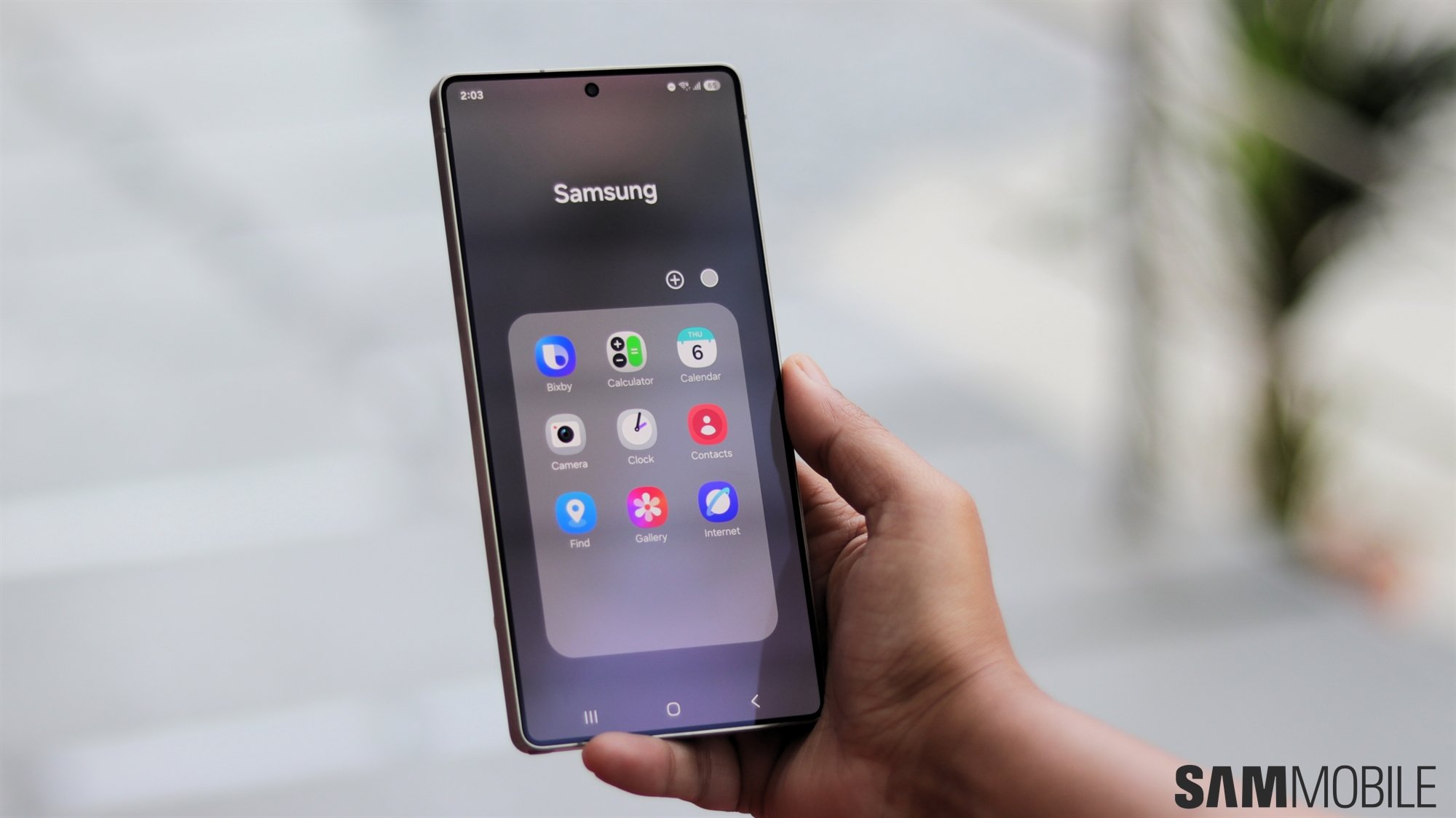
The navigation buttons and the app drawer in One UI are two of the most different and possibly confusing aspects of the Galaxy experience for newcomers who are switching from iOS. But here's the good news. One UI — Samsung's proprietary interface for Android OS — is highly customizable. Here's how you can improve your navigation and app drawer experience.
Although One UI (up to current version One UI 8) uses traditional Back, Home, and Recents navigation buttons by default, you can switch to a more modern control scheme that is closer to the iOS experience.
In other words, you can replace navigation buttons with navigation gestures. To do this, open the Settings app on your Galaxy phone, search for “Navigation bar,” tap Navigation type, and choose Swipe gestures.
Or go to: Settings > Display > Navigation bar > Swipe gestures.
The navigation buttons will be replaced with a thin navigation handle at the bottom of the screen. With navigation gestures turned ON, you will navigate One UI using these gestures:
iPhone users don't have to be confused about the presence of the app drawer in One UI. Here is a little secret. The experience is not all that different between One UI and iOS. Its more a matter of perspective.
For most Galaxy device users (myself included) the app drawer serves the same purpose as that one iOS home screen folder where you keep apps you rarely use but don't want to uninstall.
Once you shift your perspective to use the app drawer in One UI in that fashion, everything will feel more like home.
If you want to keep the app drawer, you can hide its home screen shortcut and access the app drawer with a simple swipe-up gesture. To use this configuration:
If you still don't like the app drawer, you have another option: You can hide it completely and have all your apps placed on the home screen, iOS-like.
Once you have mastered these two main features in One UI, try exploring more options. You can also check out our YouTube channel, where we upload One UI overview videos, guides, and reviews. Here's a preview video of the upcoming One UI 8.5 update.