
Exceptional gifting. Our Samsung Galaxy gift guide features smartphones and wearables.
Last updated: September 15th, 2021 at 14:38 UTC+02:00
SamMobile has affiliate and sponsored partnerships, we may earn a commission.
Reading time: 2 minutes
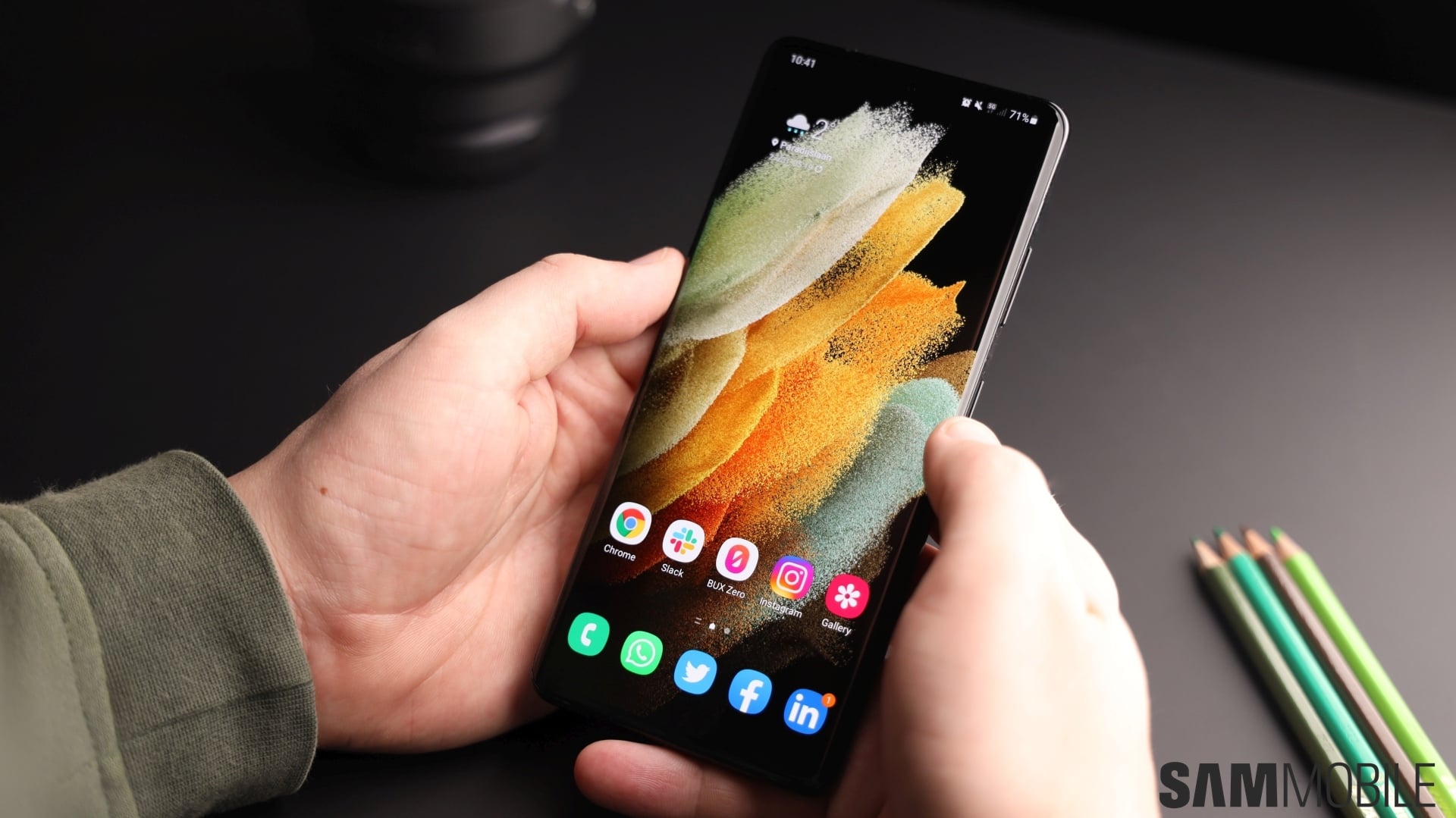
The not-so-subtle jab by Samsung says, “We've been refreshing at 120Hz for a while now,” referring to the Galaxy S20 series, which was the company's first to ship with high-refresh-rate displays. With the Galaxy Note 20 Ultra, Samsung introduced adaptive refresh rate technology and has used it on all of its flagships since. On the other hand, only the iPhone 13 Pro and Pro Max support a 120Hz refresh rate.
Then again, Samsung isn't even the first OEM to install a high-refresh-rate display on its smartphones. That accolade goes to 2017's Razer Phone, which was the first to adopt a 120Hz (LCD) panel. Even Apple joined the 120Hz party later that year with its iPad Pro. We'll never know why Apple decided to keep the feature exclusive to its high-end tablets for this long, though.
Samsung is correct in stating that Apple is one of the last smartphone makers to adopt high-refresh-rate screens. However, Samsung isn't exactly ahead of the queue, either. Many competing offerings from the likes of OnePlus and Xiaomi offered high-refresh-rate screens well before they made their debut on the Galaxy S20 series.
Although Anil is one of the newest entrants into Sammobile, his relationship with Samsung started in 2013 when he was handed a Samsung Galaxy Grand. He has owned multiple Samsung phones since and currently daily drives a Galaxy Note 10+