Last updated: April 8th, 2020 at 06:20 UTC+02:00
SamMobile has affiliate and sponsored partnerships, we may earn a commission.
Reading time: 2 minutes
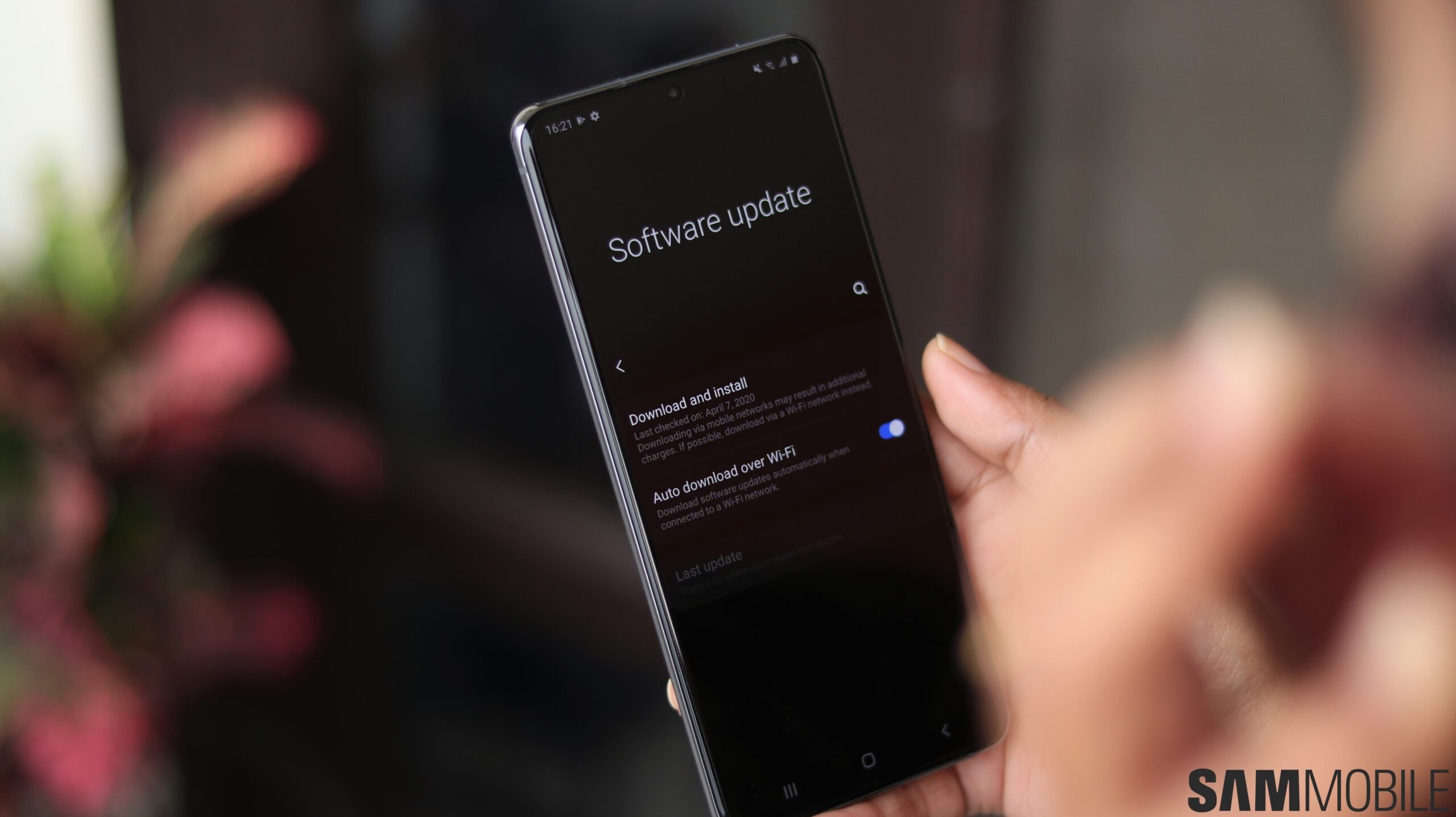
According to a change that Google recently made to the Vendor Test Suite (VTS), all smartphone brands will be required to support seamless updates starting with Android 11. Starting with the next major version of Android, the VTS will check if the device has virtual A/B partition structures to enable seamless updates. The VTS will fail if a device running Android 11 lacks virtual A/B partition structures, and VTS must be passed for devices to come preloaded with Google Mobile Services (GMS). So, brands will have no option other than enabling virtual A/B partitions.
Android's seamless updates feature is quite beneficial to users. It not only enables convenient background operating system updates but also saves devices from getting bricked if anything goes wrong in the update process. If something goes wrong while installing the update, an additional partition is always available as a backup to boot the OS.
The seamless updates feature essentially creates two virtual partitions (A and B) in the device's storage. The operating system boots from one of the identical partitions, leaving the other available to install OS updates. Whenever the device receives a software update, it is installed in the other partition, allowing the user to use the phone even as the update is being installed in the background. Whenever the device is rebooted, the partition with the newest software version is used.
Although many smartphone OEMs, including ASUS, Google, HTC, LG, Motorola, OnePlus, and Sony, already use virtual A/B partitions in their Android devices, big names like Huawei, OPPO, Samsung, Vivo, and Xiaomi still don't use the feature. However, they will be forced to use seamless updates starting with Android 11. The next-generation Galaxy S flagship smartphones could be the first devices from Samsung to support seamless updates.

Asif is a computer engineer turned technology journalist. He has been using Samsung phones since 2004, and his current smartphone is the Galaxy S23 Ultra. He loves headphones, mechanical keyboards, and PC hardware. When not writing about technology, he likes watching crime and science fiction movies and TV shows.