Last updated: September 15th, 2020 at 07:00 UTC+02:00
SamMobile has affiliate and sponsored partnerships, we may earn a commission.
Reading time: 3 minutes
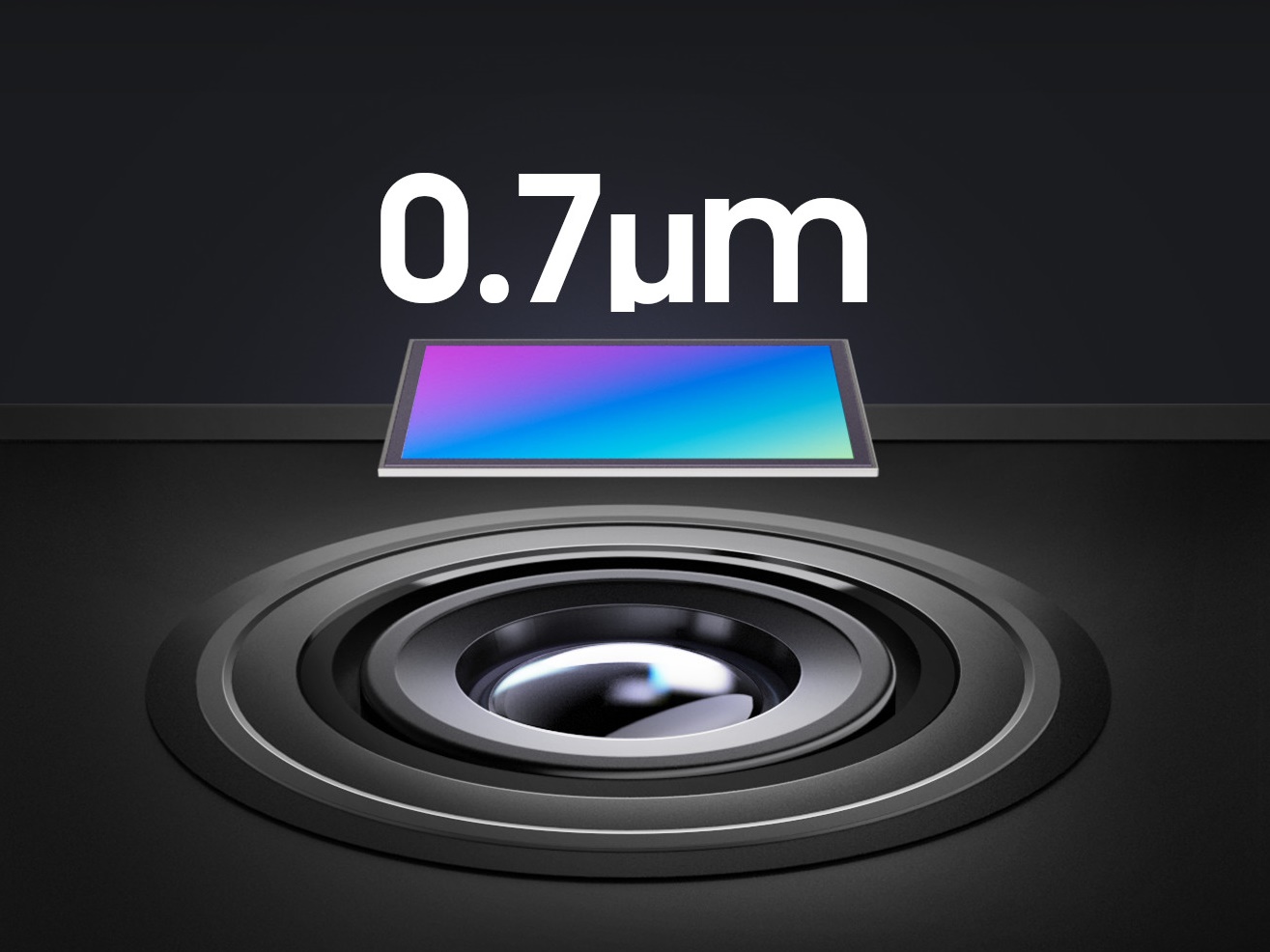
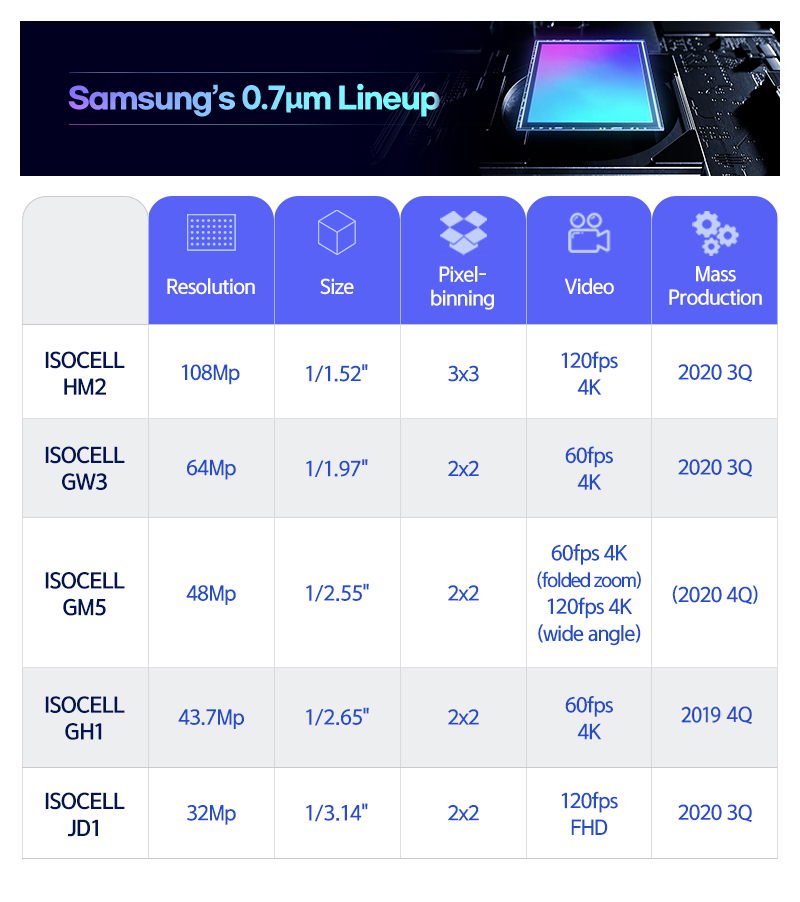
The new camera sensors—108MP ISOCELL HM2, 64MP ISOCELL GW3, 48MP ISOCELL GM5, and 32MP ISOCELL JD1—use 0.7µm pixels. In comparison, the older ISOCELL sensors with similar resolutions use 0.8µm pixels. The newer sensors are 15% smaller and their height is reduced by 10%. The smaller size of the new sensors gives OEMs more flexibility in designing smartphones.
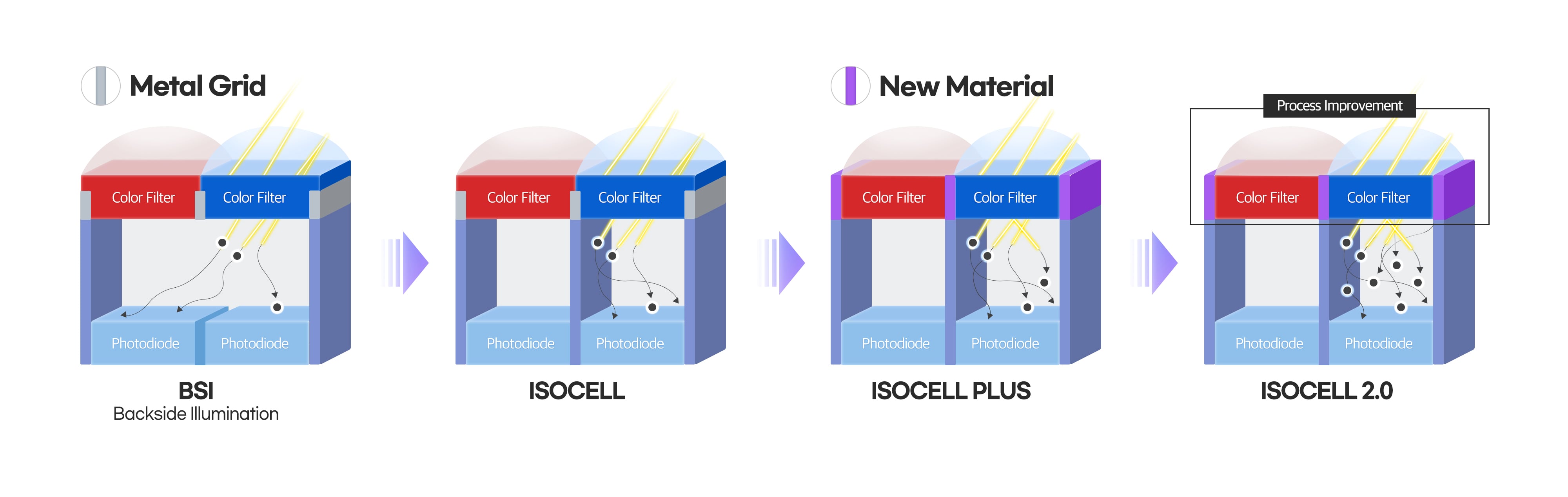
To make sure that smaller pixels don't affect the overall image quality, Samsung has used ISOCELL Plus and Smart-ISO technologies that are optimized for 0.7µm pixels. ISOCELL Plus retains the light received in the pixel using a wall-like structure, while Smart-ISO intelligently adjusts the ISO to make full use of the incoming light.
Yongin Park, Executive Vice President of the sensor business at Samsung Electronics, said, “Samsung continues to pioneer innovations, such as ISOCELL Plus and Smart ISO, to deliver more pixels in a smaller package. Last year, Samsung introduced the industry’s first 0.7μm-pixel image sensor and the first 108MP sensors. Now we are bringing more of the advanced pixel technologies to mobile cameras in a variety of options that will enable high-resolution images and sleeker designs in a wider selection of tomorrow’s mobile devices.”
Samsung has started the mass production of ISOCELL HM2, ISOCELL GW3, and ISOCELL JD1, while the ISOCELL GM5 is currently in the sampling stage. You can expect smartphones with these new camera sensors to be launched by the end of this year.

Asif is a computer engineer turned technology journalist. He has been using Samsung phones since 2004, and his current smartphone is the Galaxy S23 Ultra. He loves headphones, mechanical keyboards, and PC hardware. When not writing about technology, he likes watching crime and science fiction movies and TV shows.