Last updated: September 9th, 2022 at 01:54 UTC+02:00
SamMobile has affiliate and sponsored partnerships, we may earn a commission.
Reading time: 2 minutes
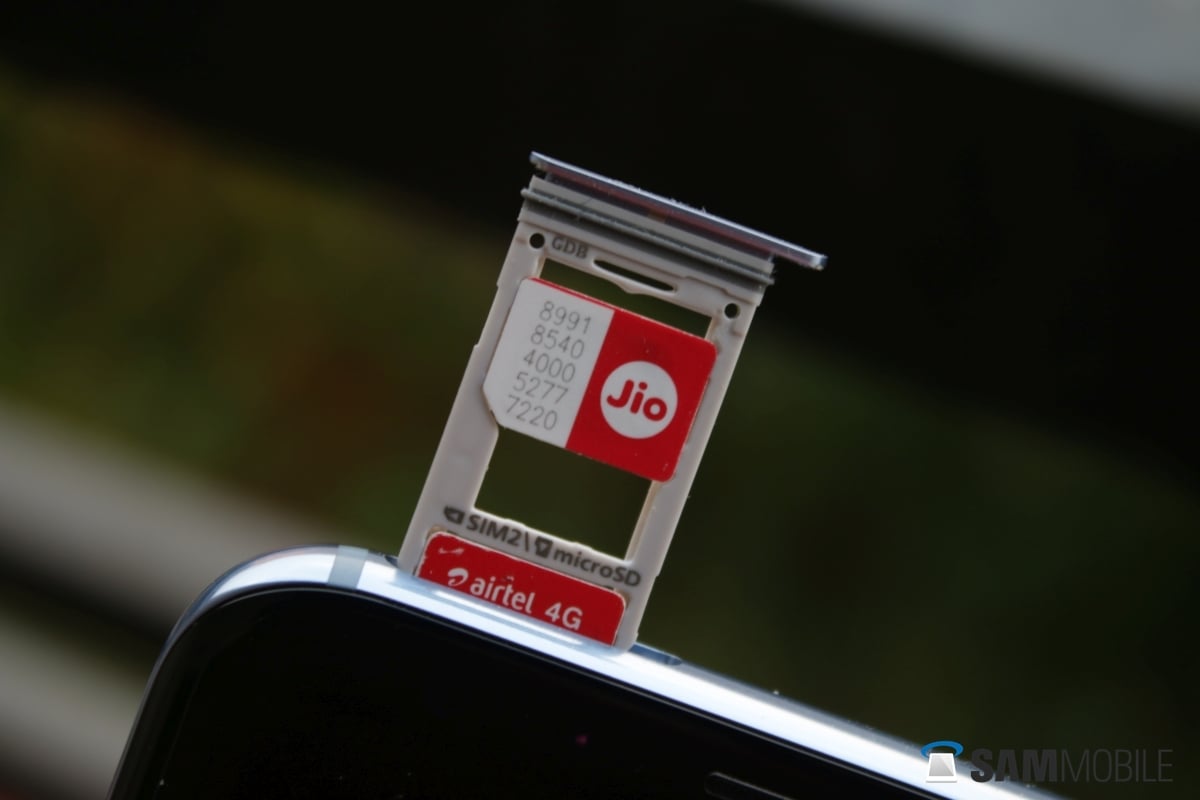
Last night, Apple unveiled the iPhone 14 lineup, consisting of four models: iPhone 14, iPhone 14 Plus, iPhone 14 Pro, and iPhone 14 Pro Max. All four smartphones feature an eSIM card and a Nano SIM card slot in global markets.
However, the US variants of those phones lack a physical SIM card slot altogether. Users will have to rely entirely on eSIMs. We've all seen how Android smartphone OEMs quickly start adopting new features (and limitations) that Apple adopts, and we're worried that we might lose the physical SIM card slot from Android phones.
First, it was the headphone jack and then the bundled charger. Android OEMs, including Samsung, mocked Apple for removing those features from their iPhones. Within a year, those brands also started removing them from their smartphones. And that might also be the case with the physical SIM card slot. So, you should get ready to see Android (and Galaxy) phones without physical SIM cards in the near future.
Yes, eSIM is relatively safer and makes the phone more resistant to dust and water. It also helps brands in saving space and add other hardware features. But there's something convenient about easily removing a SIM card from its slot and replacing it with another SIM or using it in a different phone. With eSIM, those things will be a lot harder. It will also be harder to stay safe from being tracked in certain situations.
Sometimes, it can be difficult to activate an eSIM as it requires you to go through carrier and brand websites, follow long procedures, and verify your subscription. The least smartphone makers, platform developers, and carriers can do is make the eSIM activation and switching procedure easier.
What do you think? Would you prefer having a physical SIM card slot or an eSIM? Let us know in the comments section below.

Asif is a computer engineer turned technology journalist. He has been using Samsung phones since 2004, and his current smartphone is the Galaxy S23 Ultra. He loves headphones, mechanical keyboards, and PC hardware. When not writing about technology, he likes watching crime and science fiction movies and TV shows.