Last updated: February 25th, 2026 at 11:33 UTC+01:00
SamMobile has affiliate and sponsored partnerships, we may earn a commission.
All three phones in the lineup use the LPDDR5X DRAM.
Reading time: 3 minutes
Abhijeet Mishra / SamMobile
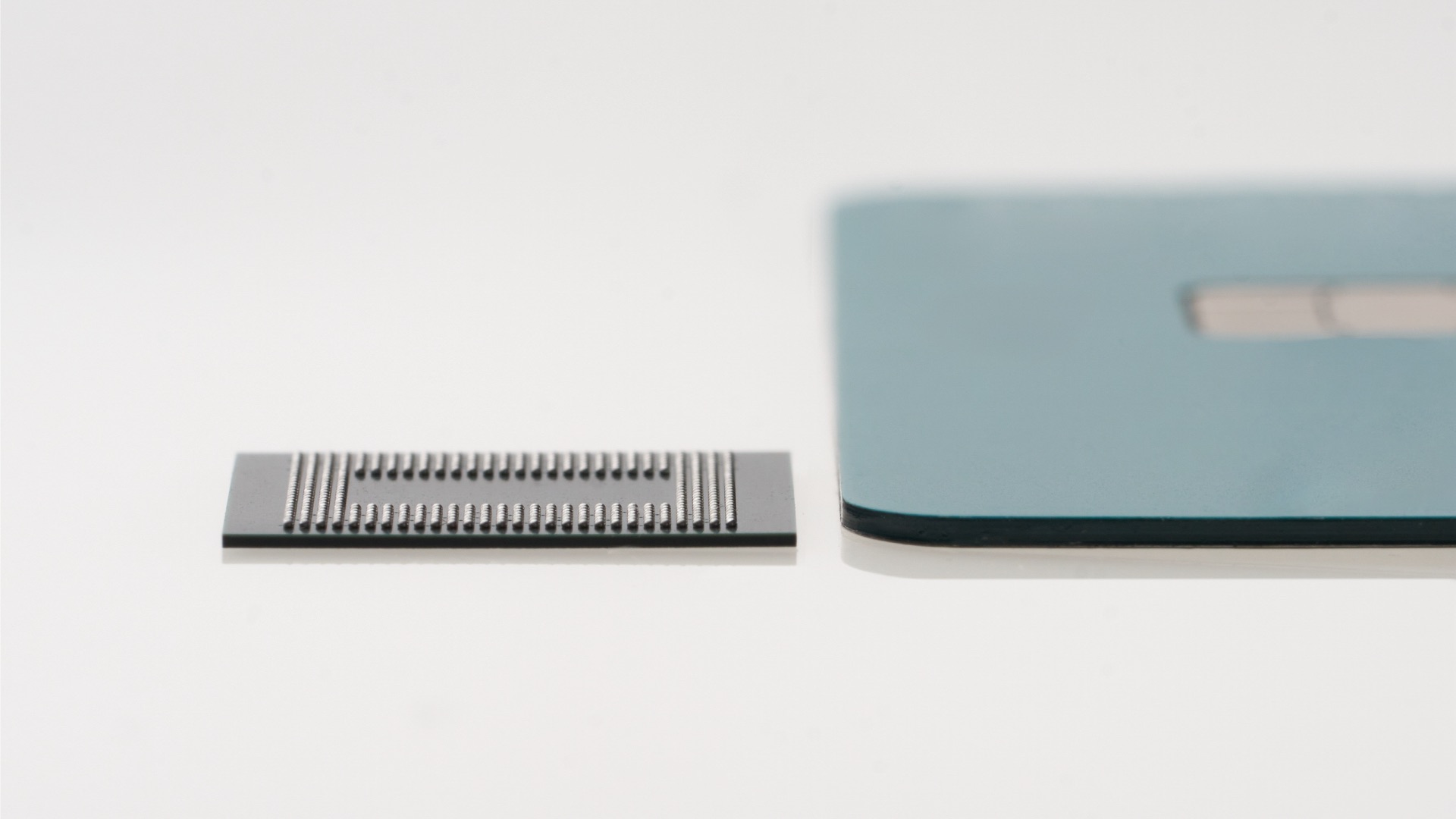
Samsung is set to unveil the Galaxy S26 series later today. Just hours before the official announcement, new details have surfaced about the memory chips used in the devices. The Galaxy S26, Galaxy S26+, and Galaxy S26 Ultra reportedly use LPDDR5X DRAM chips sourced from both Samsung and Micron.
According to a report from Dealsite, the initial batches of the Galaxy S26, Galaxy S26+, and Galaxy S26 Ultra use LPDDR5X memory from Micron and Samsung DS (semiconductor division) in an almost 50:50 ratio. Samsung’s mobile division (Samsung MX) has not yet finalized whether this ratio will continue for future batches, but industry sources expect it to continue the dual-sourcing approach.
The Galaxy S26 and the Galaxy S26+ use 12GB of LPDDR5X RAM, while the Galaxy S26 Ultra uses 12GB or 16GB of LPDDR5X RAM, depending on the storage variant.
Abhijeet Mishra / SamMobile
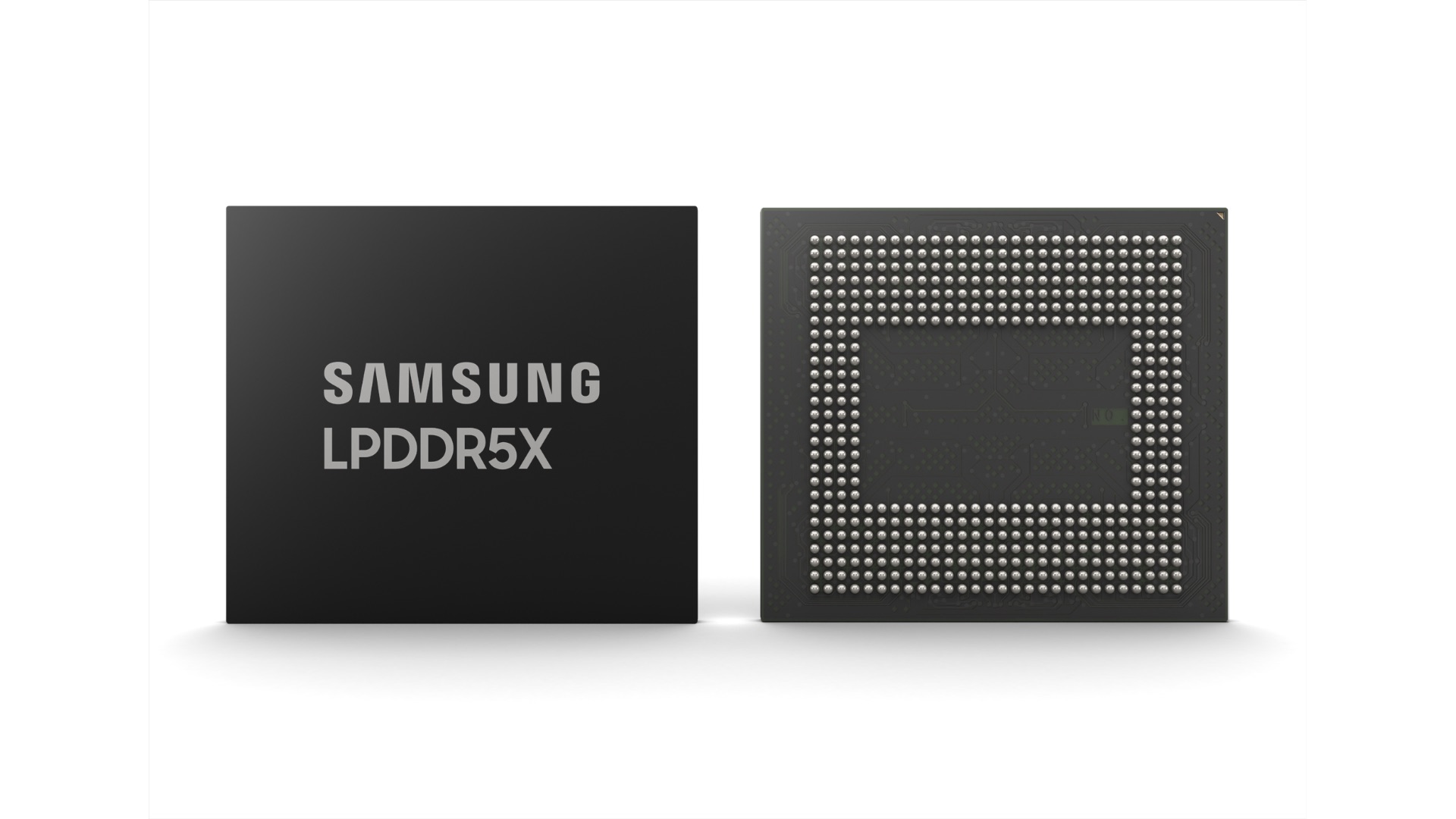
Samsung LPDDR5X DRAM Chip – Source: Abhijeet Mishra / SamMobile
Memory chip prices have risen sharply over the past few months, as demand from AI data centers and hyperscale cloud providers has significantly tightened memory chip supply. Companies such as Amazon, AMD, Microsoft, Nvidia, and Google have been purchasing large volumes of high-performance memory for AI workloads, resulting in prices to rise across the industry.
For Samsung, diversifying suppliers may serve multiple purposes. Relying on both Micron and Samsung DS helps ensure supply stability at a time when memory availability is constrained. It may also give Samsung stronger negotiating power in terms of pricing, which could help protect profit margins for the Galaxy S26 series.
Last year, Samsung’s MX division used Micron’s LPDDR5X chips exclusively in early Galaxy S25 batches, as Micron’s chips were considered to have better performance. This year, however, Samsung DS’s LPDDR5X memory is said to have reached performance similar to its rivals. That improvement allows Samsung to integrate more of its own semiconductor chips into mobile products, potentially improving manufacturing costs.
Industry insiders believe the roughly 50:50 sourcing strategy could continue throughout the year, offering stable supply and flexibility in pricing. The memory market is expected to remain under pressure in terms of production. Apple has reportedly secured sufficient memory chips for iPhones from Samsung DS for the first half of the year but at twice the price compared to earlier.
If memory prices remain high in the coming months, smartphone prices could increase globally. Samsung’s dual-sourcing approach for the Galaxy S26 series may help cushion some of that pricing pressure while ensuring steady production volumes for the rest of the year.

Asif is a computer engineer turned technology journalist. He has been using Samsung phones since 2004, and his current smartphone is the Galaxy S23 Ultra. He loves headphones, mechanical keyboards, and PC hardware. When not writing about technology, he likes watching crime and science fiction movies and TV shows.