





Published: September 17th, 2026 at 08:00 UTC+02:00


How do I turn on the privacy screen on my Samsung Phone?

Daniel van Dorp

Reading time: 9 minutes

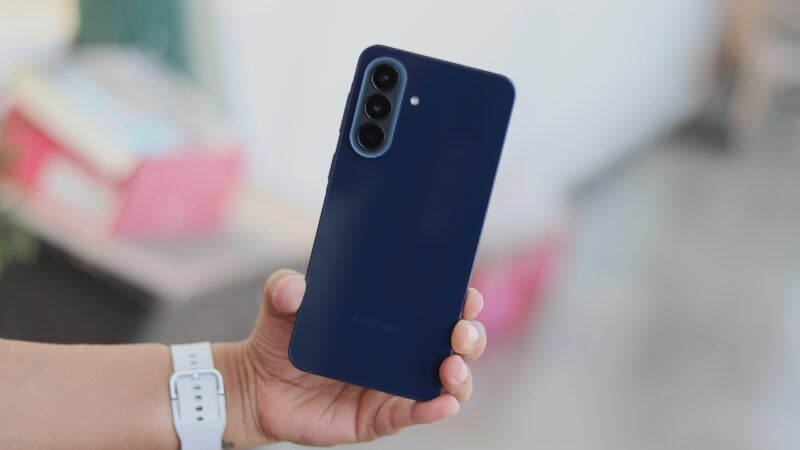
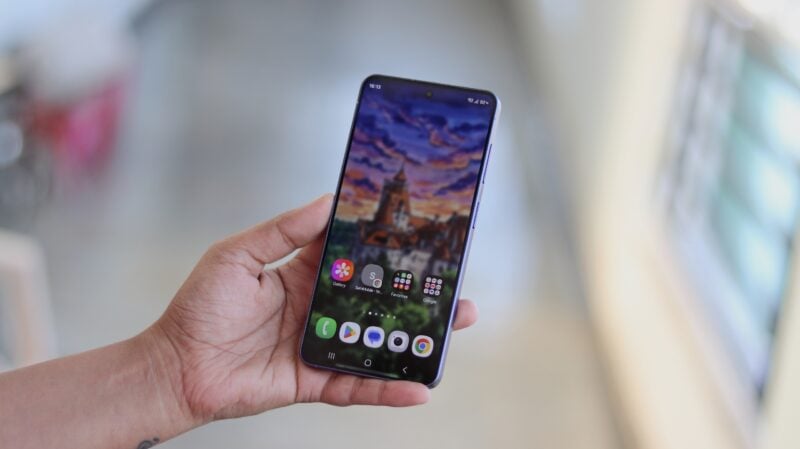
Samsung Galaxy smartphone held in hand displaying a frosted-glass privacy screen blur in a modern minimalist workspace with navy and white tones.

Abhijeet Mishra / SamMobile

Knowledge Base

Samsung Galaxy smartphone held in hand displaying a frosted-glass privacy screen blur in a modern minimalist workspace with navy and white tones.

TL;DR

  • On most Samsung Galaxy phones, turn on Privacy screen in Settings > Display and toggle it on.
  • The feature narrows viewing angles so people beside you can’t easily see your screen, with adjustable intensity and optional Quick Settings access.
  • If you can’t find it, your model or One UI version may not support it; try a software update, search Settings, or use a physical privacy screen protector.
To turn on the privacy screen on your Samsung phone, open the Settings app, tap Display, then select Privacy screen and toggle it on. This feature is available on most modern Samsung Galaxy smartphones running One UI and works by darkening the edges of your screen to make it harder for people nearby to see what you are looking at. The privacy screen setting is especially useful in public places like trains, cafes, or waiting rooms where you want to keep your messages, emails, or photos to yourself. Below, we cover where to find the setting, what it actually does, how it affects your display, and what to do if you cannot find it on your device.

Where do you find the privacy screen setting on a Samsung phone?

To find the privacy screen setting on a Samsung phone, go to Settings, tap Display, and look for the Privacy screen option in the list. Tap it to open the settings, then toggle the feature on. You can also adjust the intensity level to control how strong the effect appears.

If you want even faster access, Samsung lets you add a Privacy screen shortcut to your Quick Settings panel. To do this, swipe down from the top of your screen to open the notification shade, tap the pencil or edit icon, and look for the Privacy screen tile. Drag it into your active Quick Settings area so you can switch it on and off with a single tap whenever you need it.

On some Samsung devices, the path may vary slightly depending on which version of One UI your phone is running. If you do not see Privacy screen directly under Display, try searching for it using the search bar at the top of the Settings app. Just type “privacy screen” and it should appear as a shortcut to the correct menu.

What does the privacy screen actually do on a Samsung phone?

The privacy screen on a Samsung phone narrows the viewing angle of your display so that people standing or sitting to the side of you cannot easily read your screen. Your display looks normal when viewed straight on, but it appears significantly darker or blurred from wider angles, protecting your content from prying eyes nearby.

Think of it like the screen protectors you can buy for laptops in airports, except this is built directly into your phone's software. You do not need any physical accessory. Samsung achieves this effect by adjusting how light is distributed across the screen, making the image visible primarily to the person holding the phone directly in front of it.

This is particularly handy in a few everyday situations:

  • Reading private messages or emails on public transport
  • Checking your bank account or financial apps in a shared space
  • Browsing personal photos without worrying about strangers glancing over
  • Entering passwords or PINs in busy environments

It is worth noting that the privacy screen is a One UI software feature, so the exact appearance and intensity can vary slightly between Samsung models. Higher-end Galaxy devices tend to produce a more convincing effect because of their advanced display technology.

Does the privacy screen affect battery life or display brightness?

Yes, enabling the privacy screen on your Samsung phone can slightly reduce your display's brightness from certain angles, and in some cases may have a minor impact on battery consumption. However, the effect on battery life is generally small and most users will not notice a meaningful difference in day-to-day use.

The privacy screen works by modifying how your display emits light, which means your screen is doing a little extra work to produce the narrowed viewing angle. On Samsung's AMOLED displays, this is handled efficiently, so the battery drain tends to be minimal compared to simply raising your screen brightness.

If battery life is a concern for you, here are a few things to keep in mind:

  • Use the privacy screen only when you genuinely need it, such as in public, rather than leaving it on all day at home
  • The Quick Settings shortcut makes it easy to toggle it on and off as needed
  • Pairing the privacy screen with a moderate brightness setting can help balance visibility and battery use

As for display brightness, the privacy screen may make your screen appear slightly dimmer to you as well, depending on the intensity level you choose. You can adjust this in the Privacy screen settings to find a balance that feels comfortable without making your screen too dark to use comfortably.

What should you do if the privacy screen option is missing on your Samsung?

If you cannot find the privacy screen option on your Samsung phone, the most likely reason is that your device or current software version does not support the feature. Privacy screen availability depends on your specific Samsung model and the version of One UI installed. Not all Samsung phones include this feature, particularly older or more budget-focused models.

Here are the steps to take if the option is missing:

  1. Check for a software update: Go to Settings, tap Software update, and select Download and install. Samsung sometimes adds or expands features through One UI updates, so keeping your phone up to date gives you the best chance of having access to the latest privacy settings.
  2. Search within Settings: Use the search bar at the top of the Settings app and type “privacy screen.” Sometimes the feature is nested in a slightly different location depending on your One UI version.
  3. Check your device's specifications: Not every Samsung Galaxy model supports the privacy screen feature. Mid-range and entry-level phones may not have it at all. If your phone does not support it, no software update will add it.
  4. Consider a physical privacy screen protector: If your Samsung model does not support the built-in feature, a physical privacy screen protector achieves a similar result and is widely available for most Galaxy phone sizes.

We keep our coverage of One UI features updated regularly, so if you are unsure whether your specific Samsung model supports the privacy screen, checking our device-specific guides can help you quickly find out what your phone supports and what alternatives are available to you.

Frequently Asked Questions

Can I set the privacy screen to turn on automatically in certain situations?

Samsung does not currently offer a fully automatic trigger for the privacy screen based on location or app, but you can get close by using the Quick Settings tile for fast manual toggling. Some Samsung devices also support Routines in the Settings app, which may allow you to create a custom automation that enables the privacy screen when a specific app opens, such as your banking or messaging app. It is worth checking the Routines section under Settings to see what triggers and actions are available on your specific model.

Does the privacy screen work with all apps, including streaming and video apps?

Yes, the privacy screen applies at the display level, meaning it affects everything shown on your screen regardless of the app you are using, including streaming services, video calls, and social media. However, because the feature narrows the viewing angle and can slightly reduce brightness, videos may appear less vibrant or slightly darker than usual while it is enabled. If you are watching content in a private setting, it is worth toggling the privacy screen off for the best viewing experience.

Will the privacy screen affect the performance of my screen's touch sensitivity or Face Recognition?

The privacy screen is purely a visual display adjustment and does not interfere with your touchscreen sensitivity, so tapping, swiping, and gestures all work exactly as normal. Face Recognition may be slightly impacted in very low-light conditions if the privacy screen makes your display dim enough to reduce the light reflected onto your face, but in practice most users do not report issues with biometric unlocking. If you do notice Face Recognition struggling, try reducing the privacy screen intensity or temporarily toggling it off when unlocking your phone.

What is the difference between Samsung's built-in privacy screen and a physical privacy screen protector?

Samsung's built-in software privacy screen is adjustable, leaves no physical residue on your display, and can be toggled on and off instantly, making it far more convenient for everyday use. A physical privacy screen protector, on the other hand, provides a constant and often stronger narrowing of the viewing angle regardless of software support, and works even when your phone is off. The trade-off is that physical protectors can reduce display clarity, add thickness, and are not adjustable, so the built-in software option is generally preferable when your device supports it.

Can I adjust how strong the privacy screen effect is, or is it just an on/off toggle?

Yes, Samsung allows you to adjust the intensity of the privacy screen effect, not just switch it on or off. Inside the Privacy screen settings menu, you will find a slider or level options that let you choose how aggressively the edges of the screen are darkened. A lower intensity is a good choice if you find the default setting makes your screen too dim to use comfortably, while a higher intensity offers stronger protection against shoulder surfing in crowded environments.

Is the privacy screen available on Samsung tablets, or is it only for phones?

The privacy screen feature is primarily associated with Samsung Galaxy smartphones running One UI, and availability on Samsung tablets varies depending on the model and One UI version installed. Some Galaxy Tab devices do support it, but because tablets have larger displays and are often used in shared viewing situations, the feature may behave differently or not be present at all. The best way to check is to navigate to Settings, then Display on your tablet and look for the Privacy screen option, or use the Settings search bar to confirm whether your tablet supports it.

Are there any common mistakes people make when using the Samsung privacy screen feature?

One of the most common mistakes is leaving the privacy screen turned on permanently, even at home or in private settings, which can cause unnecessary eye strain due to the reduced brightness and slightly altered display appearance. Another frequent issue is setting the intensity too high, making the screen difficult to read even for the person holding the phone. A best practice is to use the Quick Settings shortcut to toggle it only when you are in public, and to experiment with the intensity slider to find the lowest setting that still effectively blocks side-on viewing.