To turn off privacy mode on a Samsung phone, open the Settings app, go to Privacy, and toggle off any active privacy features such as the Privacy Dashboard, app permission restrictions, or specific toggles like the microphone and camera indicators. Most privacy mode settings on Samsung are individual controls rather than one master switch.
Samsung's privacy settings are spread across a few different menus depending on which feature you want to disable, which can make it a little confusing if you are not sure where to look. The sections below walk through exactly where to find each setting, what it does, and when it makes sense to turn it off.
Where is privacy mode on a Samsung phone?
Privacy mode on a Samsung phone is inside the Settings app under the Privacy section. To get there, open Settings, scroll down and tap Privacy, and you will see a list of individual privacy controls including the Privacy Dashboard, permission manager, and toggles for the camera and microphone. There is no single “privacy mode” button because Samsung organises these as separate features.
Within the Privacy menu you will find the Privacy Dashboard, which gives you an overview of which apps have recently accessed sensitive features like your camera, microphone, and location. Below that are options for managing app permissions, controlling whether apps can access your clipboard, and enabling or disabling indicators that appear when an app is using your camera or microphone.
Some Samsung devices also have a Secure Folder and a Private mode option in the Gallery or My Files apps. If you are looking for the Private mode that hides photos and files specifically, you can find that inside the Gallery app by tapping the three-dot menu in the top right corner and selecting Show or hide private folder.
How do you turn off privacy mode on a Samsung phone?
To turn off privacy mode on a Samsung phone, go to Settings, tap Privacy, and switch off the specific feature you want to disable. If you are turning off Private mode in the Gallery app, open the Gallery, tap the three-dot menu, select Show or hide private folder, and authenticate with your PIN or fingerprint to disable it.
Here is a step-by-step breakdown depending on what you need to turn off:
- Open the Settings app on your Samsung phone.
- Scroll down and tap Privacy.
- To disable camera or microphone indicators, tap Camera access or Microphone access and toggle them off.
- To change which apps can access your location, camera, or contacts, tap Permission manager and adjust each app individually.
- To turn off Private mode in the Gallery, open the Gallery app, tap the three-dot menu at the top right, and select Show or hide private folder, then follow the prompts to turn it off.
Once you complete these steps, the privacy features you selected will be turned off. Keep in mind that each toggle is independent, so disabling one does not affect the others.
What does privacy mode actually do on Samsung?
Privacy mode on Samsung refers to a collection of features designed to limit what apps and people can see on your device. The Private mode in the Gallery hides selected photos and videos from view. The broader Privacy settings in the Settings app control which apps can access your microphone, camera, location, and contacts, and they show you a log of recent access attempts through the Privacy Dashboard.
When Private mode is active in the Gallery, any photos or videos you have moved into the private folder become invisible in the main gallery view. They can only be seen when you unlock Private mode with your fingerprint, PIN, or password. This is useful if you share your phone with family members or want to keep certain images out of sight.
The privacy controls in the Settings app work differently. They act as gatekeepers for your personal data, letting you decide which apps are allowed to use features like your camera or read your contacts. The Privacy Dashboard records every time an app accesses these sensitive areas, so you can spot anything that looks unusual.
Why won't privacy mode turn off on my Samsung?
If privacy mode will not turn off on your Samsung, the most common reason is that you are entering the wrong PIN, password, or fingerprint when prompted. Samsung requires authentication to disable Private mode as a security measure. If authentication keeps failing, try restarting your phone and attempting the process again from the Settings app or Gallery.
A few other reasons this can happen include:
- Forgotten PIN or password: If you set up Private mode with a PIN you no longer remember, you may need to perform a factory reset to remove it, which will also erase your data. Back up your phone before taking this step.
- Software glitch: Occasionally, a temporary software issue can prevent settings from saving. Restarting the phone usually resolves this.
- One UI version differences: The location and behaviour of privacy settings can vary slightly between different versions of Samsung's One UI software. If you cannot find the option where you expect it, check that your phone is running the latest software update by going to Settings, then Software update.
- Device admin or work profile restrictions: If your phone is managed by an employer or connected to a work profile, certain privacy settings may be locked by your organisation's IT policy.
Does turning off privacy mode affect app permissions?
Turning off Private mode in the Gallery does not affect app permissions at all. These are two separate systems on Samsung phones. App permissions control what data apps can access, while Private mode simply hides certain files from view. Disabling one has no impact on the other.
If you turn off individual privacy toggles in the Settings app, such as camera access or microphone access, that will affect how apps behave. For example, turning off camera access for a specific app means that app will no longer be able to use your phone's camera until you grant permission again. You can always restore these permissions by going back to Settings, tapping Privacy, then Permission manager, and re-enabling access for the app you need.
It is worth reviewing your privacy settings periodically using the Privacy Dashboard. This gives you a clear picture of which apps have been accessing your camera, microphone, or location recently, so you can make informed decisions about which permissions to keep active.
Should I turn off privacy mode on my Samsung?
Whether you should turn off privacy mode on your Samsung depends on your situation. If you are the only person who uses your phone and you do not need to hide specific photos or restrict app access, turning off Private mode in the Gallery is perfectly fine. However, keeping core privacy settings like app permission controls active is generally a good idea for everyone, as they protect your personal data from apps that may request more access than they need.
Here are a few scenarios to help you decide:
- Turn off Private mode in the Gallery if you no longer need to hide photos, you share your phone occasionally and it is not a concern, or you find it inconvenient to authenticate every time you want to view those files.
- Keep app permission controls active if you want to limit how much of your personal data apps can collect. This includes location, microphone, and camera access, which are the most commonly requested permissions.
- Review rather than fully disable if you are unsure. The Privacy Dashboard lets you see what is actually happening on your phone before you decide to change anything.
For most everyday Samsung users, the best approach is to leave the core privacy controls in place and only turn off Private mode if you have a specific reason to do so. Your privacy settings are there to work quietly in the background, and keeping them active costs you nothing in day-to-day use.


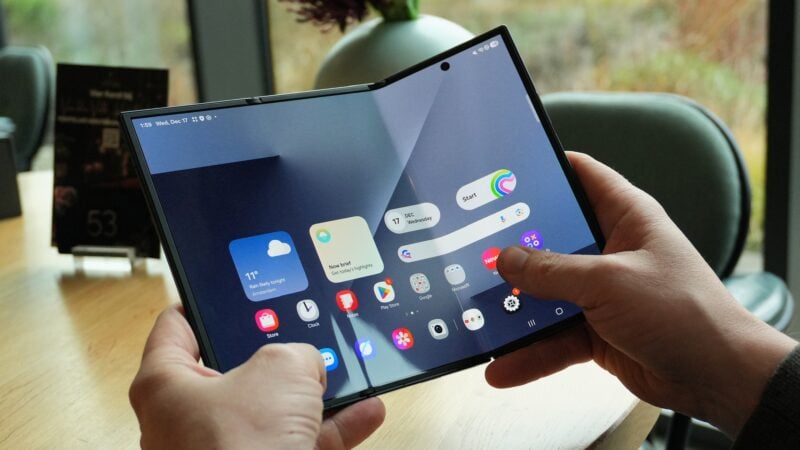





 Apple just showed Samsung what foldable buyers care about
 7 years of foldables and my Galaxy Z Fold 8 still can't count screen usage properly
 The Galaxy Z Fold 8 may hold the answer to the only viable compact phone formula
 Apple named its foldable the iPhone Duo, there's a lesson in there for Samsung
 Apple surprised Samsung on its own home turf
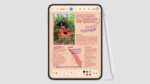 iPhone Duo's Apple Pencil support makes Z Fold 8’s missing S Pen harder to excuse
 The iPhone Duo didn’t make me jealous as a Samsung fan, the iOS 27 release date did
 Samsung used variable aperture to improve night shots, but Apple is taking a different approach
 I thought Samsung's Galaxy AI Call Brief feature doesn't work, until it did



