









Last updated: November 10th, 2025 at 13:54 UTC+01:00


What is the difference between phone portrait and landscape modes?

Daniel van Dorp

Reading time: 5 minutes

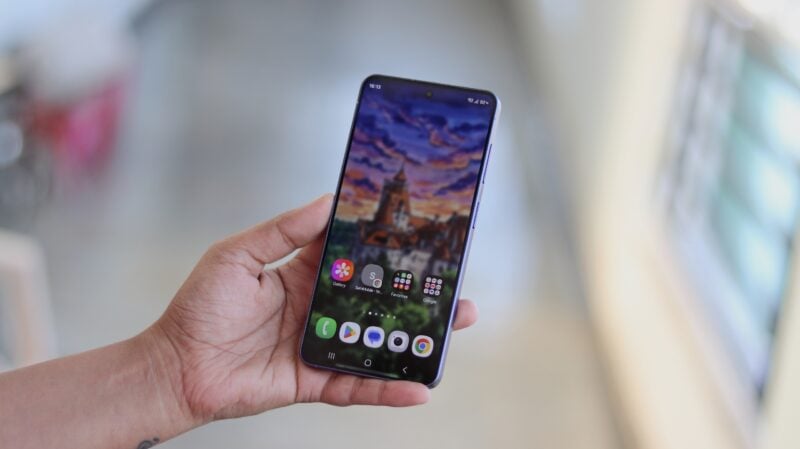
Portrait mode and landscape mode are the two fundamental ways your phone displays content based on how you hold the device. Portrait mode is vertical orientation (taller than wide), whilst landscape mode is horizontal orientation (wider than tall). Your phone automatically detects which way you're holding it through built-in sensors and adjusts the screen accordingly, though you can disable this feature if you prefer manual control.

What exactly are portrait and landscape modes on your phone?

Portrait mode refers to your phone's vertical screen orientation, where the display is taller than it is wide. Landscape mode is the horizontal orientation, where the screen is wider than tall. These are the two basic ways your phone can present content to you.

Your phone knows which orientation to use through accelerometers and gyroscopes built into the device. These sensors constantly measure the phone's position and movement in three-dimensional space. When you rotate your phone, the accelerometer detects the change in gravity's direction, whilst the gyroscope measures the rotation itself. Your phone's operating system interprets this sensor data and rotates the display to match your device's physical position.

The transition between these modes happens automatically in most situations. Your phone's processor receives the sensor information, determines the new orientation, and signals the display to rotate the interface. This entire process typically takes less than a second, creating the smooth rotation effect you see when changing how you hold your device.

How does your phone know when to switch between portrait and landscape?

Your phone uses motion sensors to detect orientation changes and switch between portrait and landscape modes. The accelerometer measures gravity's pull on the device, whilst the gyroscope tracks rotational movement. Together, these sensors tell your phone's operating system exactly how you're holding it.

The auto-rotate feature controls whether your phone responds to these orientation changes. When enabled, your phone automatically switches between portrait and landscape as you rotate the device. You can toggle this setting on or off through your quick settings panel or display settings menu. Many people disable auto-rotate when reading in bed to prevent unwanted screen rotation.

Sometimes your screen won't rotate even when you turn your phone. Common reasons include:

  • Rotation lock is enabled – This setting prevents automatic orientation changes
  • App-specific restrictions – Some apps only support one orientation, including your home screen
  • Phone position – When your phone lies flat on a table, sensors can't determine which way is “up,” so rotation may not trigger until you tilt the device more vertically

When should you use portrait mode versus landscape mode?

Portrait mode works best for activities that involve vertical scrolling and single-column content. Ideal uses include:

  • Reading articles and web browsing
  • Browsing social media feeds
  • Texting and making calls
  • Viewing photos taken vertically
  • One-handed phone use

Landscape mode excels when you need a wider viewing area. The horizontal orientation provides more screen real estate for:

  • Watching videos in widescreen format
  • Playing games with landscape controls
  • Typing with a larger, more spacious keyboard
  • Viewing horizontally-shot photos
  • Video calls with wider framing

The type of content you're viewing determines which orientation offers the better experience. Video content filmed in widescreen format fills your screen properly in landscape mode, eliminating the black bars you'd see in portrait. Conversely, content designed for mobile consumption, like Instagram Stories or TikTok videos, displays better in portrait orientation. Your phone adapts the interface to whichever mode you choose, but selecting the right orientation for your activity improves both visibility and usability.

What's the difference in how apps behave in portrait versus landscape orientation?

Apps respond to orientation changes in different ways depending on how they're designed. Some apps support both orientations with adjusted layouts, whilst others lock to portrait mode only. Web browsers, photo galleries, and video players typically adapt to both orientations, rearranging interface elements to fit the available screen space.

Many social media apps and banking apps remain locked to portrait orientation regardless of how you hold your phone. Developers make this choice when their app's design works best in vertical format or when they want to maintain a consistent user experience. You'll notice this when rotating your phone produces no change in these apps.

Key differences in app behaviour between orientations:

  • Interface layout – Landscape mode often provides expanded interface elements, wider toolbars, or split-screen layouts with side-by-side content panels that aren't visible in portrait
  • Content arrangement – Portrait mode typically shows a single-column vertical layout that prioritises scrolling through content
  • Control visibility – Landscape orientation may reveal additional controls and navigation options hidden in portrait view

Samsung phones offer features like Multi Window that behave differently in each orientation. In portrait mode, Multi Window stacks apps vertically, placing one above the other. Switch to landscape, and the same feature arranges apps side by side horizontally. This flexibility lets you multitask more effectively by choosing the orientation that best suits the apps you're using simultaneously.

Understanding phone orientation helps you get more from your device in different situations. Whether you're watching videos, reading articles, or using multiple apps at once, choosing the right screen mode makes everything easier to see and interact with. At SamMobile, we cover these practical tips alongside the latest Samsung news to help you make the most of your mobile experience.