








Last updated: February 13th, 2026 at 12:47 UTC+01:00
SamMobile has affiliate and sponsored partnerships, we may earn a commission.
Reading time: 5 minutes
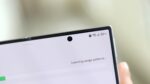
The notification bar is a thin strip at the top of your Samsung device's screen that displays status icons and provides access to notifications and quick settings. You can pull down from this area to reveal the notification panel, which lets you view alerts, interact with messages, and toggle important device settings like Wi-Fi and Bluetooth. Understanding how to use this feature helps you stay connected and manage your device more efficiently.
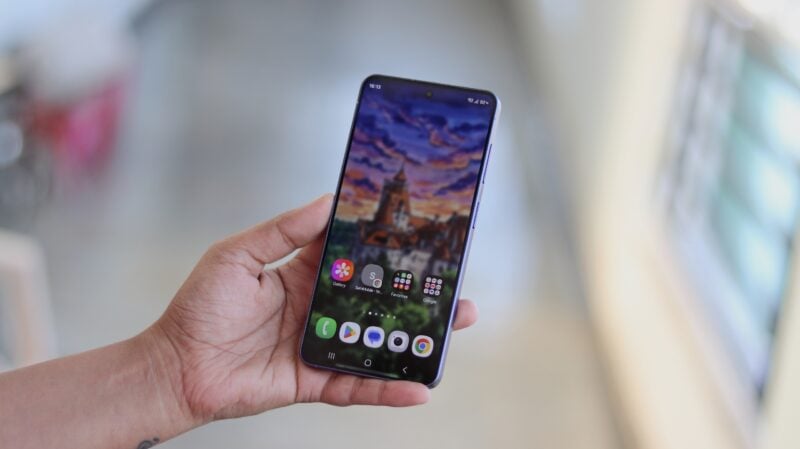
The notification bar is the horizontal strip located at the very top of your Samsung device's screen that serves two important functions:
You'll find the notification bar on every screen of your Samsung device, whether you're on the home screen, inside apps, or browsing the web. The status bar Samsung uses in One UI shows essential information at a glance, including network connectivity, battery percentage, and any active notifications through small icons.
This Android notification bar functions as both a passive information display and an active control center. When you see notification icons appear in this area, it means apps are trying to get your attention with updates, messages, or alerts that may require your response.
Opening the Samsung notification panel requires simple gesture controls:
| Gesture | Result |
|---|---|
| Single swipe down | Opens notification panel with recent alerts |
| Double swipe down | Opens full quick settings panel |
| Two-finger swipe down | Directly accesses complete quick settings |
The notification shade operates on a two-panel system in Samsung One UI. The first panel shows your recent notifications and a row of quick settings toggles at the top. Pull down again or swipe down with two fingers to expand into the complete quick settings panel with additional toggles and brightness controls.
You can navigate between these panels by swiping up to collapse them or using the small arrow icons. The pull-down notification system also responds to swipe gestures within the panel — swipe left or right on individual notifications to dismiss them or access additional options.
The notification management system provides multiple interaction options:
Many notifications include interactive elements that let you handle tasks immediately. For messaging apps, you can often type and send responses directly from the notification panel without switching apps.
Long-pressing any notification reveals notification settings options where you can control how that specific app sends alerts. You can turn off notifications entirely, change their priority level, or modify whether they appear on your lock screen. This notification management helps you customize which apps can interrupt you and how prominently their alerts appear.
Customizing your quick settings panel involves accessing the quick settings editor by fully expanding the panel and tapping the three-dot menu or “Edit” button. This lets you rearrange, add, or remove the toggle buttons that appear in your notification shade.
The most frequently used toggles include:
You can drag these tiles to reorder them based on your preferences, with the most important ones appearing in the top row for easy access. To add new quick settings tiles, scroll through the available options in the editor and drag them into your active panel. You can also remove toggles you never use to keep the panel clean and focused on your most-needed controls.
Missing notifications typically result from several common issues:
| Issue | Solution |
|---|---|
| App permission settings disabled | Check Settings > Notifications for app permissions |
| Do not disturb mode active | Disable Do not disturb or adjust priority settings |
| Notification channels turned off | Review individual app notification channel settings |
| Samsung notification filtering | Check priority levels and scheduled quiet times |
Individual apps have their own notification channel management, allowing you to control different types of alerts separately. For example, a messaging app might have separate channels for direct messages, group chats, and promotional updates. If specific notification types aren't appearing, check both the system-level notification settings and the app's internal notification preferences to ensure everything is properly enabled.
Mastering your Samsung device's notification system helps you stay organized and responsive without feeling overwhelmed by constant interruptions. The combination of customizable quick settings and flexible notification management puts you in control of how your device communicates with you. At SamMobile, we understand that efficient notification handling can make the difference between a helpful device and a distracting one.