Last updated: March 6th, 2026 at 10:14 UTC+01:00
SamMobile has affiliate and sponsored partnerships, we may earn a commission.
Xiaomi wants to reduce its reliance on chipset makers MediaTek and Qualcomm, similar to Samsung.
Reading time: 3 minutes

Abhijeet Mishra / SamMobile
Xiaomi, Samsung’s closest competitor in the Android smartphone and ecosystem space, plans to release new in-house smartphone processors every year in the future. Based on this move, it appears that Xiaomi is planning to replicate the strategy followed by Apple, Google, and Samsung.
At the recently concluded Mobile World Congress (MWC 2026), Xiaomi President Lu Weibing told CNBC that the company plans to expand into more sophisticated areas of technology, including AI assistants and mobile chipsets. The XRing O1 was the Chinese firm’s first in-house flagship smartphone chipset, and it was launched in 2025. Going forward, the company plans to launch a new chipset every year.
Lu Weibing said, “This is our first chip product. Going forward, we will most likely release a yearly upgrade.” Its next chip could be called the XRing O2, and it will reportedly be used in a high-end Xiaomi device launching in China later this year. Eventually, the company plans to use its in-house chips in phones launched outside China.
Custom chips, like those made by Apple and Samsung, allow companies to tightly integrate hardware and software and deliver more differentiated features. They can also improve reliability and enable deeper integration with other devices in the company’s ecosystem. Xiaomi plans to invest at least CNY 50 billion (around $6.9 billion) over the next 10 years in custom chip development.
While Google and Xiaomi rely on third-party firms for the CPUs, GPUs, and modems used in their in-house chips, Samsung has gone a step further by developing its own GPU in partnership with AMD. Next year, the company reportedly plans to launch an Exynos chipset developed entirely in house, without any help from AMD.
Exynos chips also have in-house modems and are manufactured by Samsung Foundry, which is Samsung's own semiconductor chip manufacturing division. It also plans to use in-house Exynos chips across all its device lineups in the future.
Xiaomi, which already has its in-house AI-powered digital assistant called Xiao AI in China, plans to launch a separate AI assistant for the global market. The company will use Google’s Gemini as well as its own AI models for the assistant. This move is part of the company’s plan to bring its electric vehicles to global markets. “When our cars go to international markets, you will see our AI agents come along with them,” Lu said.
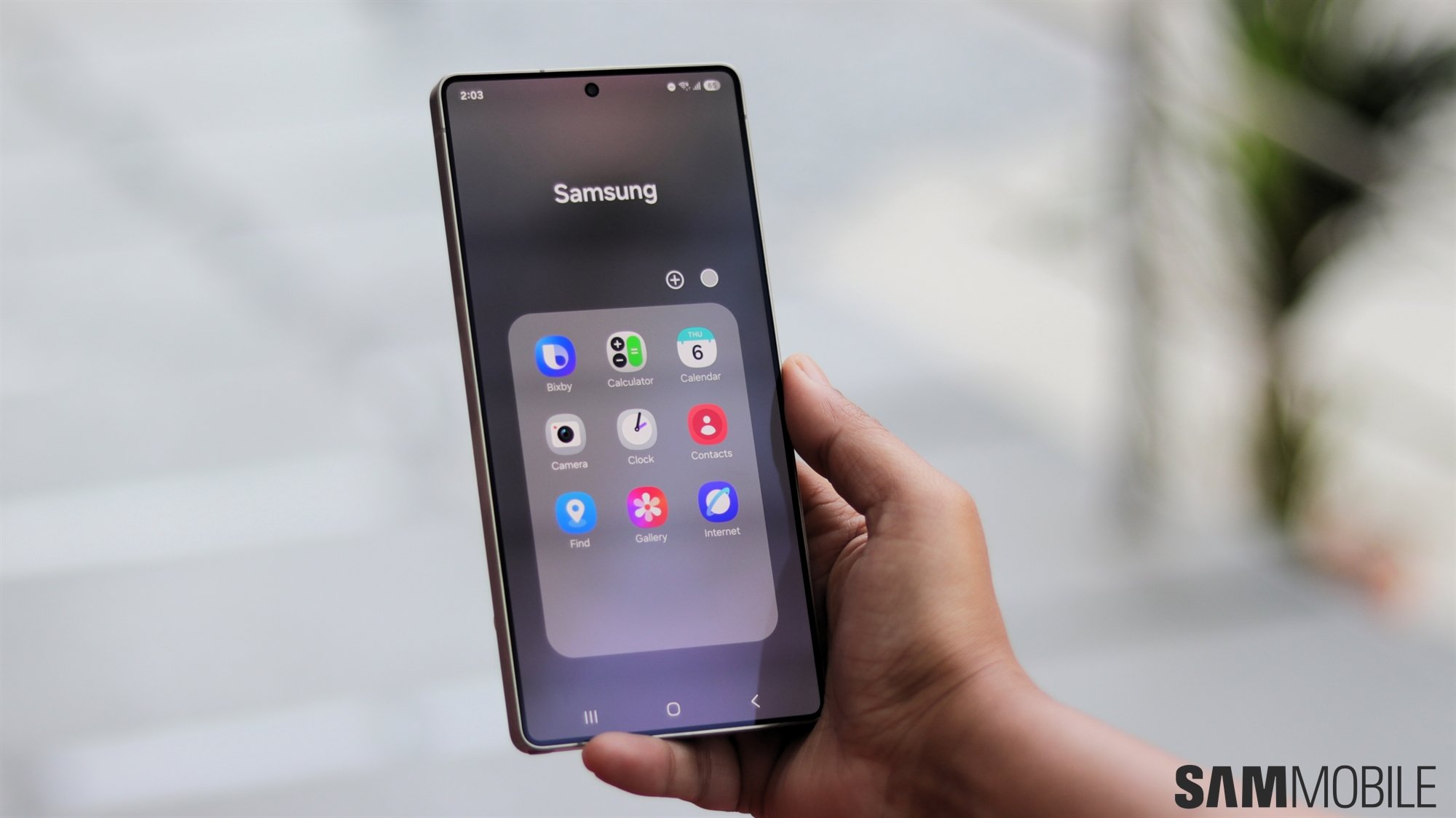
Similarly, Samsung has already integrated three AI agents in the Galaxy S26 series. It features its in-house Bixby, Google’s Gemini, and Perplexity. Bixby is based on the South Korean firm's in-house AI models called Gauss.

Asif is a computer engineer turned technology journalist. He has been using Samsung phones since 2004, and his current smartphone is the Galaxy S23 Ultra. He loves headphones, mechanical keyboards, and PC hardware. When not writing about technology, he likes watching crime and science fiction movies and TV shows.