Last updated: June 18th, 2026 at 15:51 UTC+02:00


What makes the Samsung Galaxy S26 Ultra display stand out this year

It is the combination of Gorilla Armor 2, an anti-reflective coating, and the world’s first built-in Privacy Display on mobile.

Abhijeet Mishra

Reading time: 5 minutes

samsung galaxy s26 ultra

Samsung

Latest Samsung news

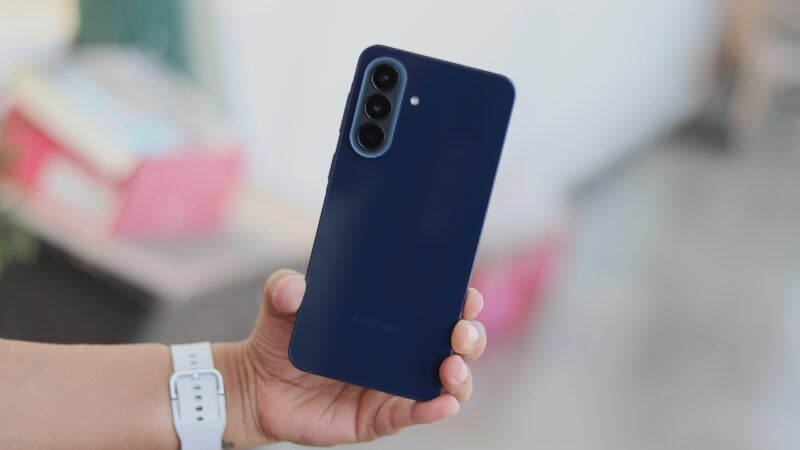
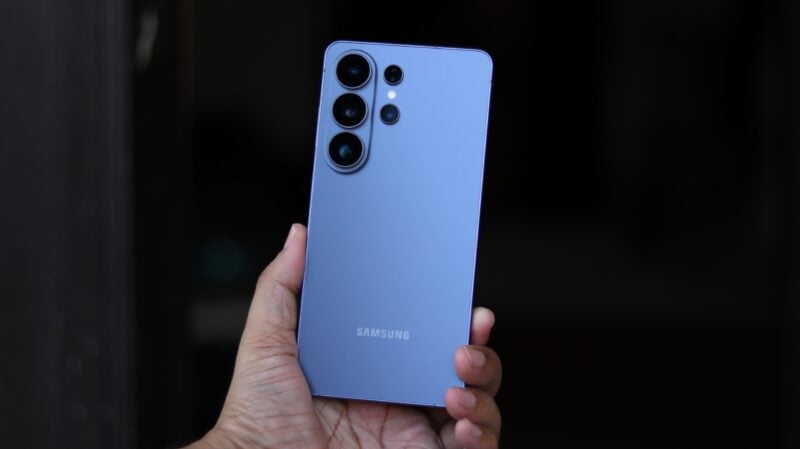
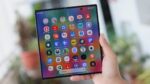
Samsung Galaxy S26 Ultra - Source: Samsung

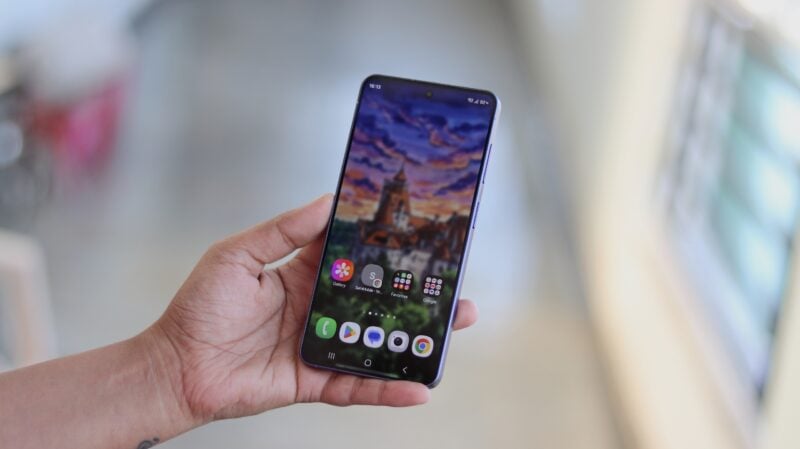
The Samsung Galaxy S26 Ultra has a 6.9-inch Dynamic AMOLED 2X display with a peak brightness of 2600 nits, a 1Hz to 120Hz adaptive refresh rate, and QHD+ resolution at 3120 x 1440.

What sets it apart from most other flagship displays this year goes beyond those numbers — it is the combination of Gorilla Armor 2, an anti-reflective coating, and the world’s first built-in Privacy Display[1] on mobile that together give it a distinct set of capabilities no other smartphone currently offers.

The display stands out in five key areas:

  • Privacy Display: The world’s first built-in Privacy Display on mobile, narrowing the viewing angle on demand to make the screen’s content visible only to you.
  • Peak brightness: 2600 nits peak brightness for clear visibility in direct sunlight.
  • Gorilla Armor 2: Exclusive to the Galaxy S26 Ultra, with better scratch and drop resistance than standard smartphone glass.
  • Built-in anti-reflective coating: Reduces reflections by up to 75%, built into the glass itself.
  • Adaptive refresh rate: Scales between 1Hz and 120Hz automatically to balance smoothness and efficiency.

What is Privacy Display and why does it matter?

The Galaxy S26 Ultra features the world’s first built-in Privacy Display on mobile, and it is one of the most distinctive features of the display. When enabled, it narrows the screen’s visible angle so that its content is visible only to you.

Most flagship displays do not offer any built-in privacy protection — users who want this capability typically have to apply a physical privacy film over the screen, which reduces brightness and introduces a moiré effect on high-resolution displays. Privacy Display on the Galaxy S26 Ultra comes built directly into the display hardware, so it does not affect image quality or add any physical thickness.

You can activate Privacy Display manually via the Quick Panel, or set it to turn on automatically in specific apps such as banking or messaging, or when entering a PIN. A Maximum Privacy Protection mode is also available for situations that call for an even narrower viewing angle.

How bright is the Galaxy S26 Ultra display?

The Galaxy S26 Ultra reaches a peak brightness of 2600 nits, which places it among the brightest smartphone displays available. In practice, this level of brightness means the display remains clearly readable in direct sunlight — a scenario where many flagship displays wash out or become difficult to see without shading the screen.

The display adjusts brightness automatically based on ambient light through its adaptive brightness system. In typical indoor conditions the screen runs at a much lower brightness level, which conserves battery while maintaining comfortable viewing. The 2600 nit peak is available when the phone detects high ambient light levels and needs to push output higher to maintain visibility.

What is Gorilla Armor 2 and how does it protect the display?

Gorilla Armor 2 is a glass-ceramic material developed by Corning that’s exclusive to the Galaxy S26 Ultra. It is not available on the Galaxy S26 or Galaxy S26+, which use Gorilla Glass Victus 2 instead.

The glass-ceramic composition gives it different physical properties from standard aluminosilicate glass, resulting in better performance in both scratch resistance and drop resistance.

On scratch resistance, Gorilla Armor 2 resists scratches up to level 7 on the Mohs hardness scale, with deeper grooves only appearing at level 8. Standard smartphone glass typically shows scratches at level 6. According to Corning, Gorilla Armor 2 demonstrates over four times more scratch resistance than competitive lithium-aluminosilicate cover glasses.

On drop resistance, it is rated for drops onto concrete from up to 2.2 meters in Corning’s lab tests, compared to one meter for Gorilla Glass Victus 2.

What does the built-in anti-reflective coating do?

Gorilla Armor 2 includes an anti-reflective coating that reduces reflections by up to 75%. This is one of the practical reasons the Galaxy S26 Ultra display stands out outdoors — combined with the 2600 nit peak brightness, the anti-reflective coating means the display handles bright environments better than displays that rely on brightness alone to overcome glare.

Because the coating is part of the glass itself rather than a separate film applied on top, it performs consistently across the entire screen without the reduced sharpness or colour accuracy that matte screen protectors typically introduce. For most users this also removes the need for an anti-glare screen protector entirely.

How does the adaptive refresh rate work on the Galaxy S26 Ultra?

The Galaxy S26 Ultra display scales its refresh rate between 1Hz and 120Hz depending on what is on screen. At 120Hz, scrolling and animations are smooth and responsive. When the display is showing a static image or the phone is idle, the refresh rate drops as low as 1Hz to conserve power. This happens automatically without any input required.

The range from 1Hz to 120Hz is wider than many flagship displays, which typically  run at a higher minimum rate. The lower minimum rate means the display uses significantly less power during reading, standby, and low-activity use, contributing to better overall battery efficiency without any visible impact on the experience.

[1] Privacy Display: Requires manual activation in settings to function. Privacy Display feature is not AI-powered.