





Published: August 11th, 2026 at 08:00 UTC+02:00


What is the difference between phone settings and app settings?

Daniel van Dorp

Reading time: 6 minutes

TL;DR

  • Phone settings control the whole Samsung device, while app settings only change how one app behaves.
  • Phone settings are found in the main Settings app; app settings are usually inside each app, though some controls also appear under Settings > Apps.
  • On a new phone, start with security, Wi‑Fi, display, and sound settings, then customize notifications, privacy, and sync options in your most-used apps.

When you pick up your Samsung phone, you'll notice that different types of settings are scattered throughout your device. Understanding the difference between phone settings and app settings helps you customize your Samsung experience more effectively and solve problems faster when they arise.

Phone settings control your entire device's behavior, while app settings affect only individual applications. Think of phone settings as the master controls for your Samsung phone, and app settings as the specific controls for each app you use. Getting familiar with both types will help you make your phone work exactly the way you want it to.

What is the difference between phone settings and app settings?

Phone settings control your entire Samsung device's core functions, such as Wi-Fi, display brightness, sound volume, and security features. App settings control only how individual applications behave, such as notification preferences for Instagram or privacy settings within your banking app.

Phone settings affect everything on your device simultaneously. When you adjust your phone's volume, it changes the sound level for calls, notifications, and media across all apps. When you connect to Wi-Fi through phone settings, every app that needs internet access can use that connection.

App settings work independently within each application. Your Facebook app's notification settings won't affect your email app's notifications. Each app maintains its own preferences for things like account information, display options, and privacy controls. These settings apply only when you're using that specific app.

The key difference lies in scope and impact. Phone settings create the foundation that all your apps operate on, while app settings customize the experience within individual applications.

Where do you find phone settings vs app settings on Samsung?

Phone settings are located in the main Settings app, which you can access by swiping down from the top of your screen and tapping the gear icon, or by finding the Settings app in your app drawer. App settings are found within each individual app, usually under a menu, profile icon, or settings option inside the app itself.

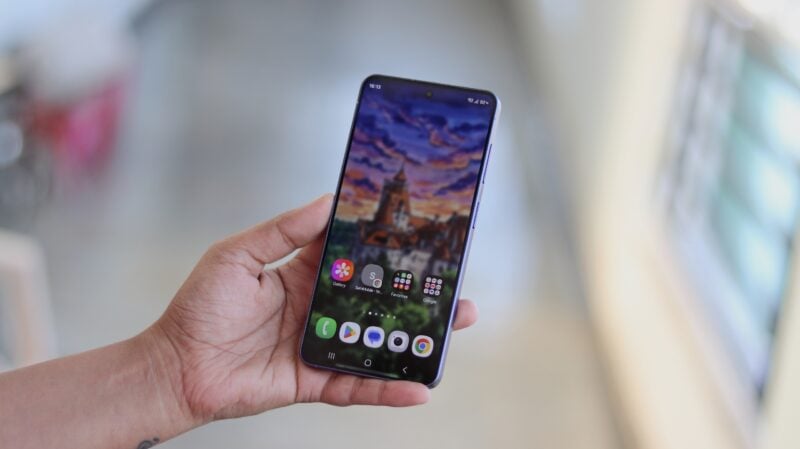
To access your Samsung phone settings, look for the Settings app with a gear or cog icon. You can also pull down your notification panel from the top of the screen and tap the gear icon in the top-right corner. This opens your main device settings, where you'll find options like Connections, Sounds and vibration, Display, and Device care.

App settings require you to open each app individually. Most apps place their settings in predictable locations. Look for three horizontal lines (the hamburger menu), three dots, a profile picture, or a gear icon within the app. For example, in WhatsApp, you'll find settings by tapping the three dots in the top-right corner. In Instagram, tap your profile picture and then the three horizontal lines.

Some apps also have settings accessible through your phone's main Settings app. Go to Settings, then Apps, select an app, and you'll see system-level controls for that app, such as permissions, notifications, and storage usage.

What happens when you change phone settings vs app settings?

Changing phone settings affects your entire Samsung device and all apps that rely on those system functions. Changing app settings modifies only the behavior of that specific application without affecting other apps or your phone's overall operation.

When you modify phone settings, the changes ripple across your entire device. Turn on Do Not Disturb mode, and all apps stop sending notifications until you turn it off. Change your display brightness, and it affects everything you see on your screen. Switch your phone to airplane mode, and no app can access the internet or the cellular network.

Phone settings changes also tend to be more permanent and global. Set a lock screen password, and it protects everything on your phone. Change your default keyboard, and it becomes available in every app where you type.

App settings changes stay contained within that specific app. Turn off notifications in your weather app, and you'll still receive notifications from your messaging apps. Change your profile picture in one social media app, and it won't affect your profile pictures in other apps. Log out of your email app, and you'll remain logged in to your other apps.

This isolation means app settings are generally safer to experiment with, since you won't accidentally affect other parts of your phone.

Which settings should you adjust first on a new Samsung phone?

Start with phone settings that affect security, connectivity, and basic usability: set up your lock screen security, connect to Wi-Fi, adjust display brightness and text size, configure Do Not Disturb hours, and set up Samsung account sync. Then move to app settings for your most frequently used apps, such as messaging, email, and social media.

Begin with security settings in your main phone settings. Set up a secure lock method, such as a PIN, pattern, or fingerprint, under Settings > Lock screen. This protects all your data and apps. Next, go to Settings > Connections to connect to your Wi-Fi network, which enables all your apps to access the internet.

Focus on display and sound settings that affect daily usability. Under Settings > Display, adjust brightness, text size, and dark mode preferences. In Settings > Sounds and vibration, set comfortable volume levels and choose ringtones. These changes improve your experience across every app.

Set up your Samsung account under Settings > Accounts and backup. This enables features like Find My Device and backs up your settings. Configure Do Not Disturb under Settings > Notifications to automatically silence your phone during sleep hours.

After handling these foundational settings, customize your most-used apps. Set up notification preferences in your messaging apps, configure email sync settings, and adjust privacy settings in social media apps. Start with apps you use daily, then gradually customize others as you encounter them.

Understanding the difference between phone settings and app settings empowers you to customize your Samsung device effectively. Phone settings create the foundation for your entire device experience, while app settings let you fine-tune individual applications. We recommend starting with the security and connectivity settings that protect and enable your phone, then gradually personalizing your apps to match your preferences and usage patterns.

Related Articles

This content was generated with the help of AI — it may contain mistakes