Published: April 24th, 2026 at 07:00 UTC+02:00
SamMobile has affiliate and sponsored partnerships, we may earn a commission.
Reading time: 7 minutes
Budget phones typically cost £100–£400 and offer basic functionality with simpler cameras and slower processors, while flagship phones range from £700–£1,200+ and feature premium materials, advanced cameras, and cutting-edge performance. The main smartphone differences lie in build quality, processing power, camera capabilities, and software support duration. Both serve different needs depending on your usage patterns and budget constraints.
Budget smartphones are designed for affordability and basic functionality, typically priced between £100–£400, while flagship phones represent manufacturers' premium offerings, usually costing £700–£1,200 or more. The classification depends on price positioning, target market, and feature complexity rather than just cost alone.
Budget phones focus on delivering essential smartphone features without premium extras. They typically include:
Flagship phones showcase manufacturers' latest innovations and premium materials, featuring:
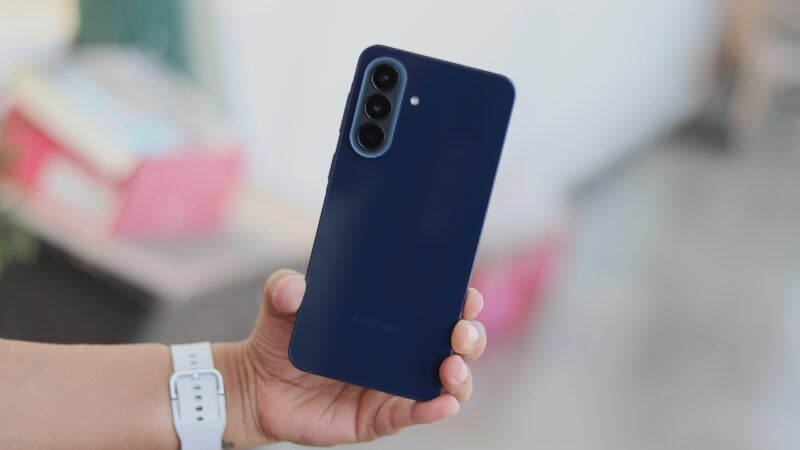
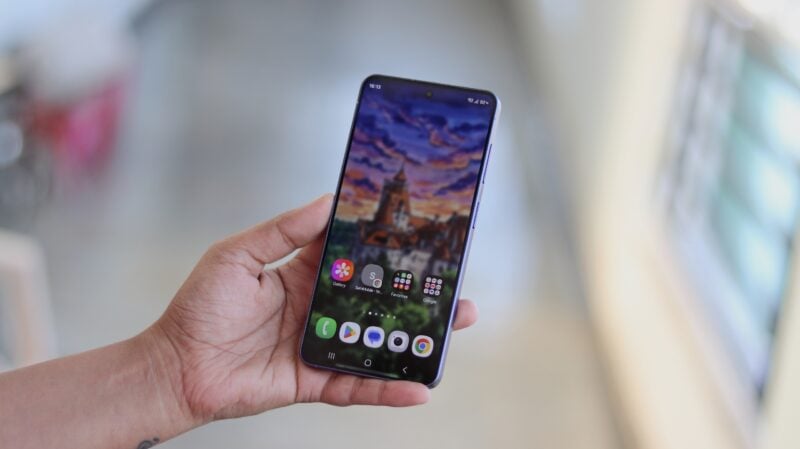
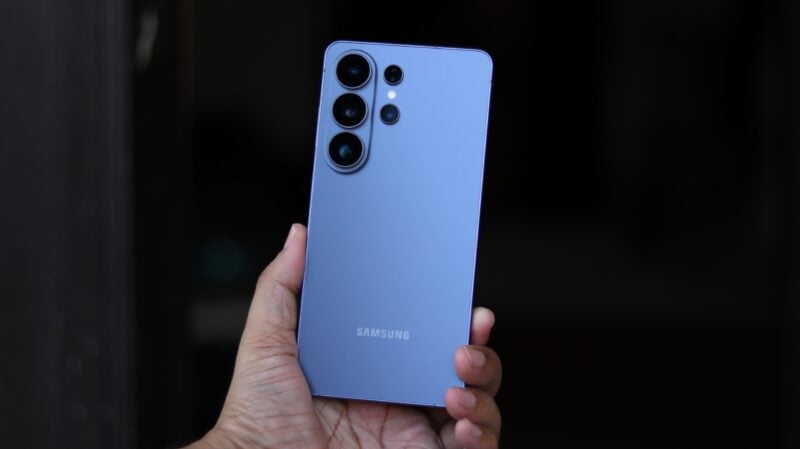
Galaxy phones, for instance, demonstrate this distinction clearly between their A-series budget models and flagship S-series devices.
The fundamental design philosophy differs significantly. Budget phones aim to provide reliable communication and basic apps at affordable prices. Flagship devices target users who want the latest technology, superior performance, and premium experiences, regardless of cost.
Performance gaps between budget and flagship phones directly impact app loading speeds, multitasking capabilities, gaming performance, and overall responsiveness. Budget phones may lag when switching between apps or struggle with demanding games, while flagship devices handle intensive tasks smoothly.
| Performance Aspect | Budget Phones | Flagship Phones |
|---|---|---|
| Processor | Entry-level chipsets | Latest high-end processors |
| RAM | 4-6GB | 8-12GB+ |
| Storage Speed | Slower eMMC/UFS 2.1 | Fast UFS 3.0/3.1 |
| Gaming Performance | Basic games only | High-end gaming capable |
Processor capabilities create the most noticeable differences. Budget phones often use entry-level chipsets that handle basic tasks well but struggle with resource-intensive applications. You'll notice longer loading times for social media apps, slower photo processing, and occasional stuttering when multiple apps run simultaneously.
RAM differences significantly affect multitasking. Budget phones typically offer 4–6GB RAM, which limits how many apps can stay active in memory. Flagship phones with 8–12GB RAM keep more apps ready for instant switching, creating smoother user experiences.
Storage speeds also vary considerably. Budget phones often use slower storage types, affecting how quickly apps launch and files transfer. Flagship devices typically include faster storage that reduces waiting times and improves overall system responsiveness.
For everyday tasks like messaging, calling, and light browsing, budget phones perform adequately. However, if you frequently use demanding apps, edit photos, or play graphics-intensive games, flagship performance becomes more valuable.
Camera quality differences are substantial, with flagship phones offering superior low-light performance, multiple lens options, advanced computational photography, and professional video features. Budget phones typically have single cameras with basic software processing, while flagship devices include multiple lenses and sophisticated image enhancement.
| Camera Feature | Budget Phones | Flagship Phones |
|---|---|---|
| Main Camera | Single 48-64MP basic sensor | Multiple 50-200MP advanced sensors |
| Additional Lenses | Depth sensor (if any) | Ultra-wide, telephoto, macro |
| Video Recording | 1080p basic stabilisation | 4K with advanced stabilisation |
| Night Mode | Basic or none | Advanced computational photography |
Hardware differences are immediately apparent. Budget phones usually feature single rear cameras with modest megapixel counts and basic sensors. Flagship phones incorporate multiple camera systems, including wide, ultra-wide, and telephoto lenses, plus larger sensors that capture more light.
Software processing creates significant quality gaps. Flagship phones use advanced computational photography to enhance images automatically, improve low-light shots, and add features like portrait mode with accurate background blur. Budget phones have simpler processing that produces more basic results.
Low-light photography shows the most dramatic differences. Flagship cameras include larger sensors, optical image stabilisation, and night modes that produce usable photos in challenging conditions. Budget phone cameras often struggle in dim lighting, producing grainy or unclear images.
Video capabilities vary enormously. Flagship phones typically record 4K video with stabilisation and multiple frame rate options. Budget phones usually max out at 1080p recording with basic stabilisation, limiting creative possibilities.
Flagship pricing reflects expensive cutting-edge components, extensive research and development costs, premium materials, and brand positioning strategies. Manufacturing costs are significantly higher due to advanced processors, sophisticated cameras, and quality materials, while marketing investments and profit margins add substantial premiums.
Component costs drive much of the price difference. Flagship phones use the latest processors that cost manufacturers significantly more than older chips in budget devices. Advanced camera sensors, high-refresh displays, and wireless charging components all command premium prices from suppliers.
Research and development expenses are substantial for flagship devices. Manufacturers invest heavily in developing new features, improving software, and creating innovative designs. These costs must be recouped through higher selling prices on premium products.
Premium materials like aluminium frames, glass backs, and ceramic components cost more than the plastic construction typical in budget phones. Manufacturing processes for flagship devices are also more complex, requiring tighter tolerances and quality control.
Brand positioning plays a significant role. Flagship phones serve as showcases for manufacturers' capabilities and technological leadership. Higher prices reinforce premium perception and help fund continued innovation across product lines.
Choose budget phones if you primarily use basic apps, have limited budgets, or prefer replacing devices frequently. Select flagship phones if you demand top performance, use demanding applications, prioritise camera quality, or want the longest software support. Consider your actual usage patterns rather than aspirational needs.
Consider budget phones if you:
Choose flagship phones if you:
Evaluate your daily smartphone activities honestly. If you mainly use messaging, social media, navigation, and basic photography, budget phones provide excellent value. These devices handle fundamental tasks reliably while saving considerable money for other priorities.
Consider longevity expectations carefully. Flagship phones typically receive longer software support with more Android updates and security patches. If you plan to keep your phone for 3–4 years, flagship devices often prove more cost-effective long-term.
Budget constraints obviously matter, but consider total ownership costs. A £300 budget phone replaced every two years costs a similar amount to a £600 flagship kept for four years, but with different performance experiences throughout.
Specific feature priorities should guide decisions. If camera quality matters for capturing important moments, flagship phones justify their premium. If you simply need reliable communication and basic apps, budget options deliver excellent smartphone value without unnecessary expense.
The smartphone market offers compelling options across all price ranges, from capable budget devices to cutting-edge flagship phones. Understanding these differences helps you choose devices that match your actual needs and budget constraints. Whether you prioritise affordability or premium features, modern smartphones deliver impressive capabilities that seemed impossible just a few years ago. At SamMobile, we help you navigate these choices by providing detailed phone buying guides and smartphone comparisons across all price segments.
This content was generated with the help of AI — it may contain mistakes

First Samsung device: Galaxy S II
Daniel is the proud co-founder of SamMobile. He joined the SamMobile team in 2011. Most of his spare time is spent enjoying nature (and life in general) with his wife & dog, friends, and family.