
Cyber week deals! Galaxy Watch8 Classic, Fold 7, S25 Ultra. Follow us on YouTube, TikTok, or LinkedIn
Last updated: February 29th, 2024 at 08:16 UTC+01:00
SamMobile has affiliate and sponsored partnerships, we may earn a commission.
Reading time: 3 minutes
Google has announced that it has made some improvements to Wear OS, allowing the co-processor inside smartwatches to handle notifications. A few years ago, Wear OS brought support for an ultra-low-power co-processor (Microcontroller Unit or MCU) that can handle smaller tasks like tracking heart rate and steps. Now, Wear OS will allow the MCU to handle the tasks of mirroring notifications from a paired smartphone, replying to notifications, and dismissing notifications.
This change allows the main Application Processor (AP), like the Exynos W930, to stay asleep while MCU handles all the notifications and health tracking. This will result in lower power consumption and longer battery life. The first Wear OS smartwatch from OnePlus takes advantage of this new feature and is quoting 100-hour battery life. If Samsung switches to this architecture with future Galaxy Watches, we can see similar (or even better) battery life.
After going through its dark and trouble-filled years, Wear OS received a life-saving boost after Samsung collaborated with Google to co-develop Wear OS 3. Thanks to their collaboration, Wear OS sales increased dramatically, and Google is doing many good things with the operating system. With OnePlus, OPPO, and Xiaomi jumping into the Wear OS smartwatch segment, it finally looks like the platform won't go to the Google Graveyard.
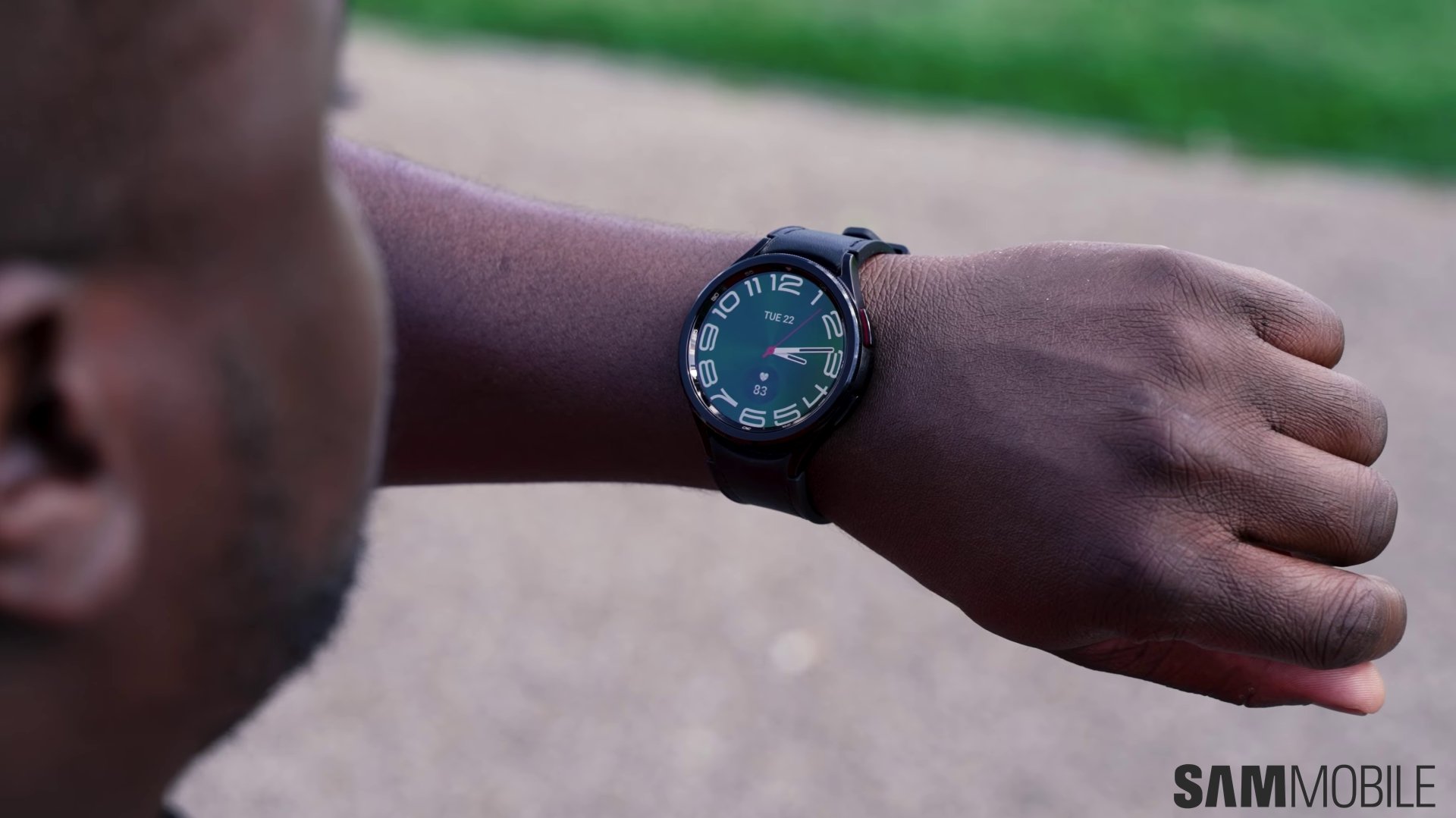
Author's Note: The Galaxy Watch 5 Pro, with its 590mAh battery, already claims an 80-hour battery life. We can see even longer battery life if Samsung uses a dual-processor architecture for its future Galaxy Watches. Samsung can also make thinner smartwatches with similar battery life.
Recently, Google started urging developers to use the new Watch Face Format (WFF) developed by Samsung to create watch faces. This new declarative format allows Wear OS to handle all the executable code and logic, bringing higher power efficiency and a lower need for maintenance. Future Galaxy Watches can substantially improve battery life with the new dual-processor approach and WFF.
Asif is a computer engineer turned technology journalist. He has been using Samsung phones since 2004, and his current smartphone is the Galaxy S21 Ultra. He loves headphones, mechanical keyboards, and PC hardware. When not writing about technology, he likes watching crime and science fiction movies and TV shows.