Last updated: March 18th, 2026 at 08:39 UTC+01:00
SamMobile has affiliate and sponsored partnerships, we may earn a commission.
It should reduce the revenue volatility related to its memory chip business.
Reading time: 2 minutes
Abhijeet Mishra / SamMobile
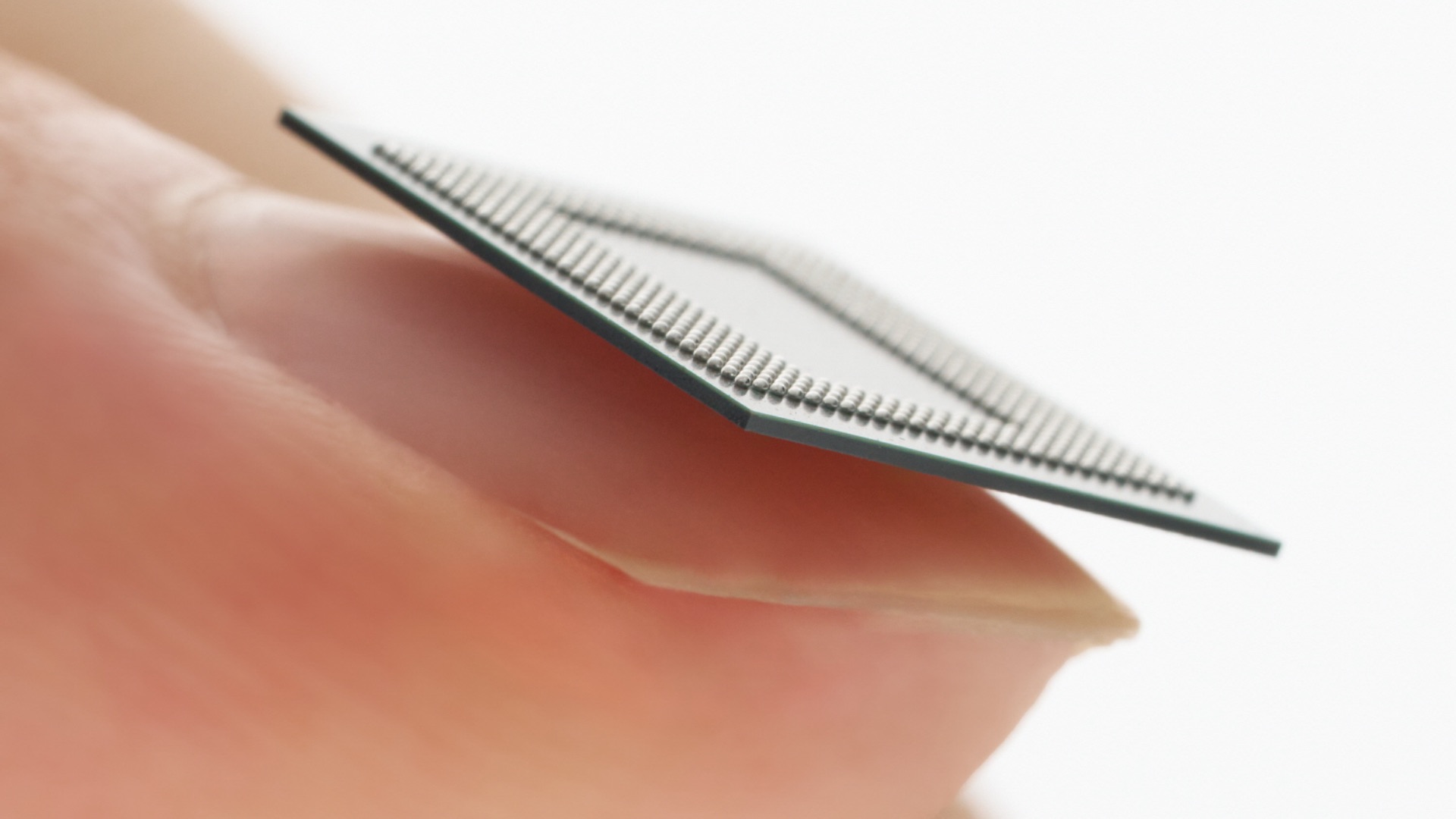
Samsung is the world’s largest memory chip maker, and memory chips are critical components in almost all electronic devices. However, the memory business is cyclical, meaning sales and revenue fluctuate over time. In some periods, revenue is very high, while in others it can drop significantly. Samsung is now looking to stabilize this volatility through multi-year supply deals.
After unveiling its HBM4E chip for AI systems yesterday, Samsung Electronics co-CEO Jun Young-hyun said the company is exploring multi-year agreements with its major clients. Traditionally, memory chip supply contracts are signed on a quarterly or annual basis. Over the past year, due to soaring memory chip prices and supply shortages, Samsung and other suppliers have mostly relied on short-term quarterly contracts. Now, Samsung aims to shift toward longer-term agreements.
During a general shareholders meeting in Suwon, South Korea, Jun said, “The semiconductor division is pursuing multi-year supply contracts with major clients to minimize medium- to long-term uncertainty and ensure steady business growth.”
Multi-year deals would give both Samsung Electronics and its clients greater visibility into pricing and supply. While Samsung is currently benefiting from high memory chip prices, the company is also preparing for a potential downturn in the coming years. Long-term contracts could help reduce risk and provide more stable revenue during periods of declining prices.
Han Jin-man, who heads Samsung Foundry, announced that the company will begin mass production of Tesla’s next-generation AI chip, known as AI6, at its semiconductor plant in Taylor, Texas, in the second half of next year. These chips will be manufactured using Samsung Foundry’s 2nm process node.

Asif is a computer engineer turned technology journalist. He has been using Samsung phones since 2004, and his current smartphone is the Galaxy S23 Ultra. He loves headphones, mechanical keyboards, and PC hardware. When not writing about technology, he likes watching crime and science fiction movies and TV shows.