Last updated: April 9th, 2025 at 09:00 UTC+02:00
SamMobile has affiliate and sponsored partnerships, we may earn a commission.
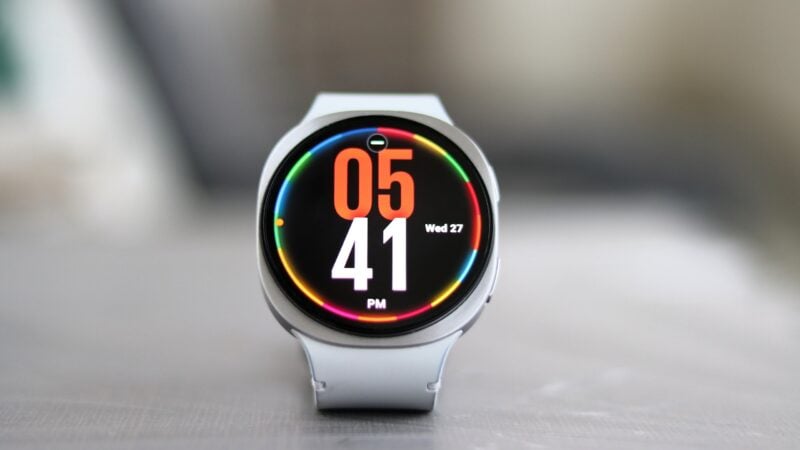
Samsung has partnered with Stanford Medicine to improve the Sleep Apnea Detection feature and other sleep analysis metrics on Galaxy Watches.
Reading time: 2 minutes
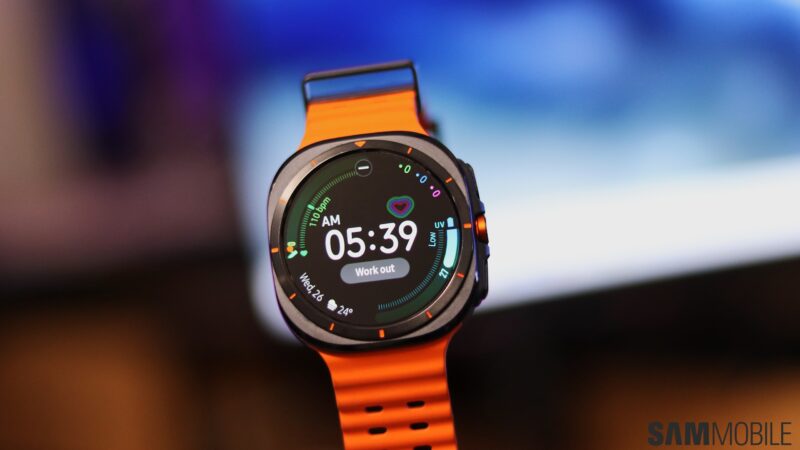
Samsung has annouced that it has collaborated with Stanford Medicine to improve sleep analysis on Galaxy Watches through Samsung Health. This project aims to empower users with the best possible sleep tools to improve their overall health and detect early signs of sleep apnea symptoms.
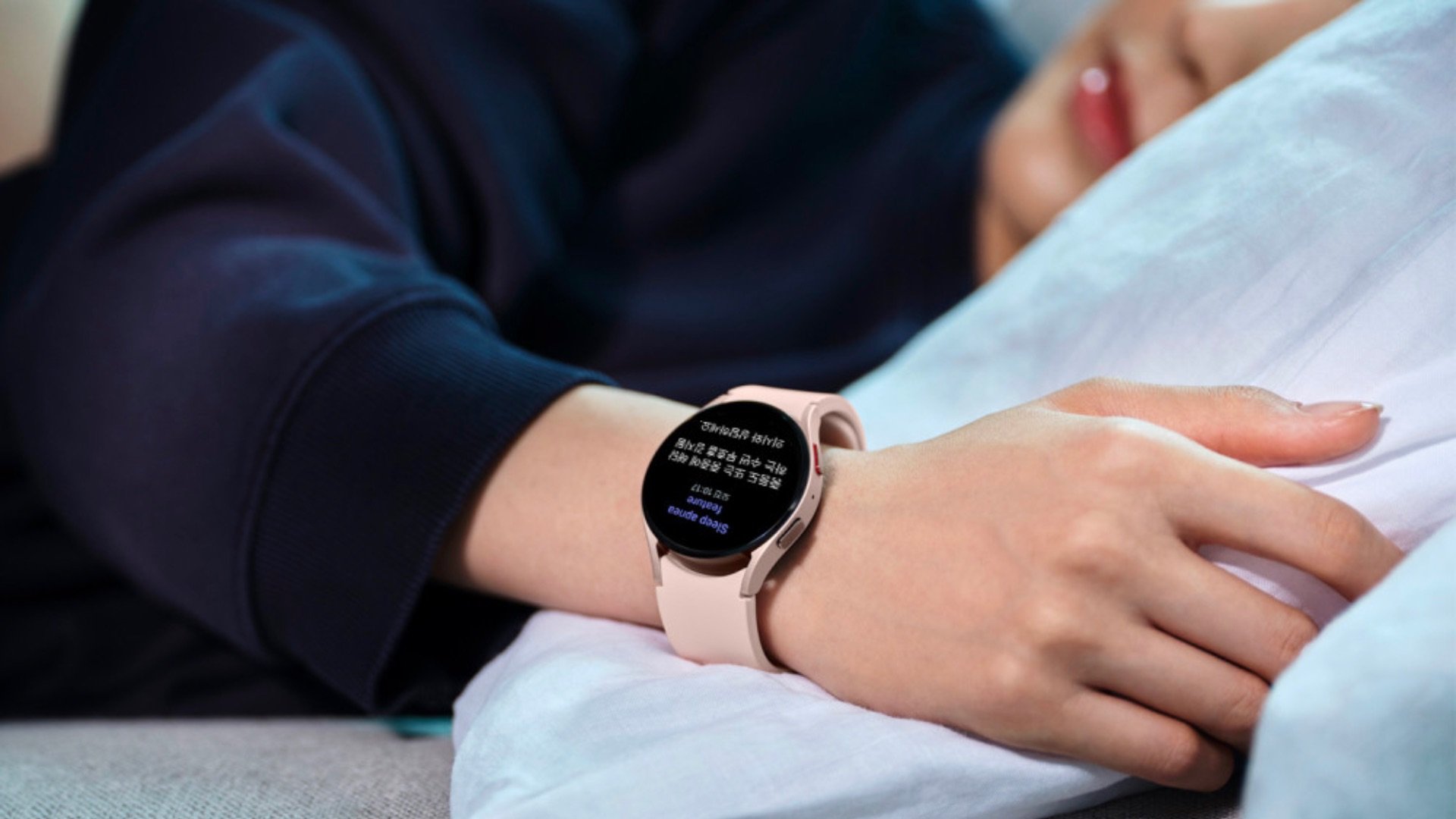
Samsung and Standford University announced a joint research project to initiate a solution based on the former's Obstructive Sleep Apnea feature that has already received the De Novo authorization by the United States Food and Drug Administration (FDA). It aims to improve the overall health of users by taking steps proactive care.
The study will be led by professor Robson Capasso as principal investigator and professor Clete Kushida as co-principal investigator. It aims to improve the Sleep Apnea through timely interventions by using AI for daily sleep monitoring. It aims to improve the technology for earlier detection of sleep apnea symptoms so that users can get medical help and the necessary data to improve their health.
Samsung said the Sleep Apnea Detection feature is already available in 29 countries globally and it will continue to expand its availability to more countries. It has already received certifications from the Korea’s Ministry of Food and Drug Safety (MFDS) and Brazil's National Health Surveillance Agency (ANVISA). In Brazil, the feature will be available later this month. The Galaxy Ring and the Galaxy Fit series don't have the Sleep Apnea Detection feature.
Dr. Hon Pak, Senior VP and Head of the Digital Health Team at Samsung MX, said, “This collaboration with Stanford Medicine will combine our deep technological expertise with Stanford’s leading research capabilities to unlock new innovation in preventive care. Together, we aim to move beyond screening to also provide more meaningful daily support that helps people better understand and manage their sleep health.”

Asif is a computer engineer turned technology journalist. He has been using Samsung phones since 2004, and his current smartphone is the Galaxy S23 Ultra. He loves headphones, mechanical keyboards, and PC hardware. When not writing about technology, he likes watching crime and science fiction movies and TV shows.