Last updated: November 17th, 2025 at 06:39 UTC+01:00
SamMobile has affiliate and sponsored partnerships, we may earn a commission.
This investment will be done in South Korea.
Reading time: 2 minutes
Samsung is facing extremely tough competition in the smartphone and TV segment over the past few years. While it missed a lot of opportunities in the AI memory chip business over the past two years, the company is making a comeback. It is also planning to invest over $300 billion to make sure it doesn't suffer in the future.
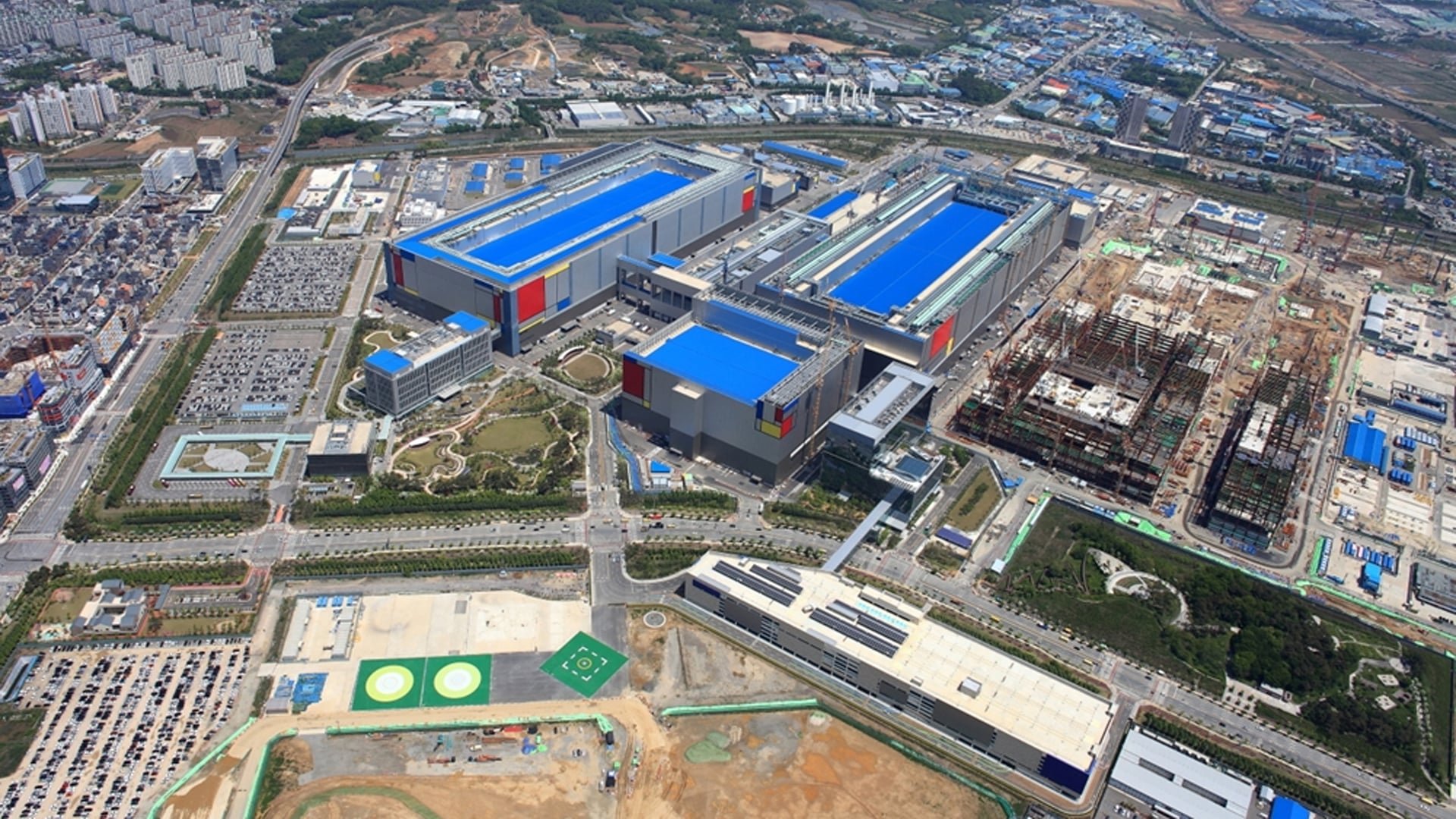
After South Korea and the USA concluded their trade deal, Samsung announced that it plans to invest KRW 450 trillion (around $309 billion) over the next five years in South Korea to improve its research, development, and manufacturing. It will accelerate the construction of an important chip plant in its Pyeongtaek campus in South Korea. This is where it will fabricate chips using its flagship process nodes.
Samsung said the construction of its Line 5 chip production line in Pyeongtaek will end in 2027, and commercial operations at the line will begin in 2028. This new line will help the company in meeting the rising demand for high-bandwidth memory (HBM) chips used in AI servers.
Samsung SDS, which develops software for other firms, is planning to build a large AI data center in South Korea's Jeolla Province. This data center will acquire over 15,000 flagship AI GPUs from Nvidia and offer them to colleges, small and medium businesses (SMBs), startups, and universities.
Samsung Display, which makes OLED panels for laptops, phones, smartwatches, TVs, and XR devices, will use a part of the $309 trillion investment to start full-scale production at its 8.6-generation OLED plant, which is currently under construction in central South Chungcheong region of South Korea.
South Korean firms pledged to invest $350 billion in the USA as a part of the South Korea-USA trade deal to reduce reciprocal tariffs from 25% to 15%. Those firms include Hyundai, Samsung, and SK Group (of SK Hynix).

Asif is a computer engineer turned technology journalist. He has been using Samsung phones since 2004, and his current smartphone is the Galaxy S23 Ultra. He loves headphones, mechanical keyboards, and PC hardware. When not writing about technology, he likes watching crime and science fiction movies and TV shows.