





Published: September 1st, 2026 at 08:00 UTC+02:00


How to unlock display lock?

Daniel van Dorp

Reading time: 10 minutes

TL;DR

  • Wake the Samsung screen with the power button or a double-tap, then swipe up and use your PIN, password, pattern, fingerprint, or face recognition to unlock it.
  • Lock screen settings are in Settings > Lock screen and AOD, where you can change the screen lock type and manage biometrics and Always On Display.
  • If you're locked out, try Samsung Find My Mobile or your backup PIN; as a last resort, a factory reset erases everything.

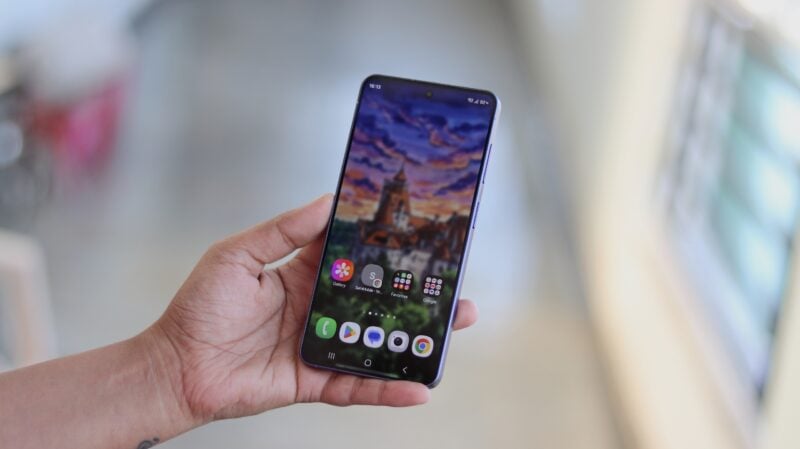
To unlock the display lock on a Samsung phone, press the power button or double-tap the screen to wake it, then swipe up and enter your PIN, password, pattern, or use your fingerprint or face to gain access. The exact method depends on which lock screen security type you have set up on your device.

Samsung's One UI makes unlocking your phone straightforward once you know which security method is active. Whether you are using a Galaxy S25, a Galaxy Z Flip, or an older Galaxy model, the steps are largely the same across the range. Below, we answer the most common questions about the Samsung lock screen so you can get into your phone quickly and confidently.

What is a display lock on a Samsung phone?

A display lock on a Samsung phone is the security screen that appears when your phone's display is off or idle. It prevents anyone else from accessing your apps, photos, messages, and personal data without your permission. The lock screen is the first thing you see when you wake your Samsung device, and it requires some form of verification before letting you in.

Samsung phones running One UI support several types of display locks, and you can choose the one that suits you best:

  • Swipe: No real security, just a simple swipe to unlock. Useful if you want quick access and are not worried about others picking up your phone.
  • PIN: A four- to six-digit number you enter each time. Simple, reliable, and widely used.
  • Password: A longer combination of letters, numbers, and symbols for stronger protection.
  • Pattern: Connect dots on a grid in a specific sequence to unlock.
  • Fingerprint: Place your registered finger on the sensor, usually built into the screen or on the side button, for instant access.
  • Face recognition: Your phone's front camera scans your face and unlocks the device automatically.

Most Samsung users combine a PIN or password as a backup with fingerprint or face recognition as their primary unlock method. This gives you both convenience and a fallback option if the biometric scan does not work straight away.

How do you unlock the display lock on a Samsung phone?

To unlock the display lock, press the power button on the side of your Samsung phone to wake the screen, or double-tap the screen if that feature is turned on. Once the lock screen appears, swipe upward and then use your chosen security method, such as your PIN, fingerprint, or face, to complete the unlock.

Here is a step-by-step breakdown depending on your security type:

  1. Wake the screen by pressing the power button or double-tapping the display.
  2. Swipe upward from the bottom of the lock screen to reach the unlock prompt.
  3. Enter your PIN or password, draw your pattern, or press your finger to the fingerprint sensor.
  4. If using face recognition, simply look at the front camera after swiping up and the phone will unlock on its own.

If your fingerprint or face recognition is not working, Samsung will automatically fall back to asking for your PIN or password. This is normal and not a sign that anything is wrong. Just enter your backup credentials and you will be in.

Where do you find display lock settings in One UI?

You can find all display lock settings in the Lock screen and AOD section of your Samsung phone's Settings app. Open Settings, scroll down and tap Lock screen and AOD, and you will see options to change your screen lock type, set up fingerprints or face recognition, and customise what appears on the lock screen.

Within this menu, the key options include:

  • Screen lock type: Change between swipe, PIN, password, pattern, fingerprint, or face recognition.
  • Lock screen: Customise the clock style, shortcuts, notifications, and widgets that appear on your lock screen.
  • Always On Display (AOD): Control whether your screen shows the time and notifications even when the phone is locked and the display is off.
  • Fingerprints or Face recognition: Add or remove biometric data and adjust how sensitive the recognition is.

One UI keeps these settings grouped together, which makes it easy to manage everything related to your lock screen from one place. If you cannot find a specific option, use the search bar at the top of the Settings app and type “lock screen” to jump straight there.

What should you do if you're locked out of your Samsung phone?

If you are locked out of your Samsung phone because you have forgotten your PIN, password, or pattern, you can use your Samsung account to regain access through the Find My Mobile service. Go to findmymobile.samsung.com on a computer or another device, sign in with your Samsung account, and select the option to unlock your phone remotely.

Here is what to try if you cannot get in:

  • Try your Samsung account unlock: Visit findmymobile.samsung.com, log in, and use the remote unlock feature. Your phone needs to be connected to the internet for this to work.
  • Check if you have a backup PIN: If you set up fingerprint or face recognition, Samsung requires you to create a backup PIN at the same time. Try entering that PIN on the lock screen.
  • Factory reset as a last resort: If nothing else works, you can perform a factory reset through the recovery menu. Be aware that this will erase everything on the phone, so it should only be done if you have no other option.

The best way to avoid being locked out is to store your PIN somewhere safe, such as a password manager, and to make sure your Samsung account is set up and linked to your device before you ever need it.

How do you turn off the display lock completely?

To turn off the display lock on a Samsung phone, go to Settings, tap Lock screen and AOD, then tap Screen lock type and select None or Swipe. Choosing None removes all security so anyone can access your phone without any verification. Choosing Swipe keeps a lock screen but requires no PIN or biometric.

Before you turn off the display lock entirely, it is worth considering a few things:

  • Removing security means anyone can access your phone if it is lost or left unattended, including your personal photos, messages, and banking apps.
  • Some apps require a lock screen to be active. Mobile banking apps, for example, often will not work unless your phone has at least a PIN or fingerprint set up.
  • Samsung Pay and Google Pay both require a secure lock screen to function, so removing it will disable contactless payments.

If you find unlocking your phone inconvenient, a better option than removing the lock entirely is to switch to fingerprint or face recognition. These methods unlock your phone almost instantly without requiring you to type anything, giving you speed without sacrificing security.

Frequently Asked Questions

How do I set up fingerprint recognition on my Samsung phone for the first time?

To set up fingerprint recognition, go to Settings, tap Lock screen and AOD, then select Fingerprints. You will be prompted to enter your existing PIN or password first, and then follow the on-screen instructions to scan your finger multiple times so the sensor builds an accurate map of your fingerprint. For best results, register the same finger two or three times at slightly different angles, and make sure your finger is clean and dry during setup. You can register up to three fingerprints on most Samsung devices, so consider adding your other index finger or thumb as a backup.

Why does my Samsung phone keep asking for my PIN even though I have fingerprint unlock set up?

Samsung's One UI is designed to fall back to your PIN or password under certain security conditions, such as after the phone has been restarted, after five or more failed fingerprint attempts, or if the device has not been unlocked for more than 72 hours. This is a built-in security feature and not a sign that your fingerprint setup is broken. Simply enter your PIN to get back in, and your fingerprint unlock will work as normal afterwards. If the fingerprint sensor is consistently failing, try re-registering your fingerprint in Settings under Lock screen and AOD.

Can I customise what notifications and information appear on my Samsung lock screen?

Yes, Samsung One UI gives you detailed control over your lock screen content. Go to Settings, tap Lock screen and AOD, then tap Lock screen to adjust the clock style, add widgets, and control how notifications are displayed — for example, you can choose to show full notification content, hide it entirely, or show only the app icon for privacy. You can also add or remove shortcut icons at the bottom corners of the lock screen for quick access to apps like the camera or flashlight. If you use Always On Display, you can separately customise what appears there when the screen is idle.

What should I do if face recognition on my Samsung phone is unlocking too easily or feels insecure?

Samsung's standard face recognition uses the front camera and is designed for convenience rather than maximum security, which means it can potentially be unlocked with a photo of your face in some cases. If security is a priority, Samsung recommends using fingerprint recognition or a PIN instead, or combining face recognition with another method. You can also go to Settings, tap Lock screen and AOD, then Face recognition, and review the available sensitivity and security options for your specific device. For the highest level of biometric security on supported Galaxy models, consider using the in-display fingerprint sensor as your primary unlock method.

Is it possible to have different lock screen settings for home and work, or does it stay the same everywhere?

Samsung does not offer automatic location-based lock screen switching natively in One UI, but you can use the Routines feature in the Samsung Good Lock app or the built-in Bixby Routines to automate certain behaviours based on your location or connected Wi-Fi network. However, fully disabling the lock screen in specific locations is not a standard One UI feature due to security restrictions. If you use a Samsung device enrolled in a work profile through your employer, your IT administrator may enforce separate lock screen policies for the work side of the device independently of your personal settings.

How do I stop my Samsung phone from locking too quickly when I put it down?

You can adjust how long your phone waits before locking by going to Settings, tapping Lock screen and AOD, and then selecting Lock screen. Look for the option labelled Lock automatically or Screen lock settings, where you can set the delay to anywhere from immediately after the screen turns off up to 30 minutes. Keep in mind that a longer delay means your phone stays unlocked for longer if left unattended, so choose a time that balances convenience with your personal security needs. You can also extend how long the screen stays on before turning off by going to Settings, then Display, and adjusting the Screen timeout setting.

What happens to my lock screen settings if I transfer to a new Samsung phone?

When you transfer data to a new Samsung phone using Smart Switch or a Samsung account backup, your general settings and app data are carried over, but biometric data such as fingerprints and face recognition profiles are not transferred for security reasons. You will need to re-enrol your fingerprints and face on the new device after setup by going to Settings and then Lock screen and AOD. Your PIN or password, however, will typically carry over if you restore from a Samsung account backup, so you can use it to access the phone immediately and then set up your biometrics fresh on the new device.

Related Articles

This content was generated with the help of AI — it may contain mistakes