Your phone contains a wealth of personal information, from your location and contacts to your photos and messages. If someone gains unauthorized access to your device, they can monitor your daily activities, know where you go, and even access your private communications. Understanding the signs of phone tracking and knowing how to protect yourself are important for maintaining your privacy and security.
Phone tracking can happen through various methods, from legitimate parental control apps to malicious spyware installed without your knowledge. The good news is that there are clear warning signs you can watch for and steps you can take to detect and remove unwanted tracking software from your Samsung device.
What Are the Warning Signs That Someone Is Tracking My Phone?
Several noticeable changes in your phone's behavior can indicate that tracking software is running. Your battery drains faster than usual, your phone feels unusually warm during light use, and you notice increased data usage without explanation. These symptoms occur because tracking apps constantly run in the background, sending your location and activity data to remote servers.
You might also notice your phone acting strangely in other ways. Apps may open or close unexpectedly, your phone might restart on its own, or you may hear unusual sounds during calls, such as clicking or static. Some tracking apps cause the screen to light up randomly or display pop-up messages you don't recognize.
Performance issues are another red flag. Your Samsung phone may become slower than normal, take longer to start up, or freeze more frequently. If you notice any combination of these symptoms appearing suddenly, it's worth investigating whether tracking software might be the cause.
How Can I Check if There Are Tracking Apps on My Phone?
Start by reviewing your installed apps through Settings > Apps. Look for applications you don't remember downloading, especially those with generic names or no clear purpose. Tracking apps often disguise themselves with innocent-sounding names or may appear as system utilities.
Check your phone's data usage by going to Settings > Connections > Data usage. Look for apps consuming unusually high amounts of data, particularly those running in the background. Legitimate apps typically don't use excessive data unless you're actively using them for streaming or downloading content.
Review your location settings under Settings > Location. Check which apps have location permissions and remove access for any apps that don't need it. Also examine your Google account activity by visiting your Google Account settings and checking the timeline for unusual location data or device access you don't recognize.
For a more thorough check, consider running a security scan using Samsung's built-in Device care feature or a reputable antivirus app. These tools can detect some forms of malicious software that might not be obvious in your regular app list.
Why Would Someone Want to Track My Phone?
Phone tracking occurs for various reasons, ranging from legitimate concerns to malicious intent. Parents often use tracking apps to monitor their children's safety and whereabouts, while employers might track company-owned devices to ensure proper business use and protect sensitive information.
Unfortunately, tracking also happens in abusive relationships, where one partner wants to control or monitor the other's activities. This type of surveillance can include monitoring location, reading messages, and tracking phone calls. Stalkers or harassers might also install tracking software to follow their victims' movements and activities.
Cybercriminals sometimes use tracking software to gather personal information for identity theft or to monitor your habits for targeted scams. They might track your location patterns to determine when you're away from home or monitor your communications to gather sensitive information.
In some cases, tracking might be accidental, such as when family-sharing features are enabled without everyone's full understanding, or when old parental controls remain active on devices passed between family members.
What Should I Do if I Find Tracking Software on My Phone?
If you discover tracking software on your Samsung phone, immediately uninstall the suspicious app through Settings > Apps, then select the app and choose “Uninstall.” However, some tracking software requires additional steps to remove completely, so you may need to revoke administrator privileges first.
Change all your important passwords, including those for your Google account, banking apps, social media, and any other sensitive accounts. The tracking software may have captured your login information, so updating your passwords helps protect your accounts from unauthorized access.
Review and revoke permissions for apps that don't need them. Go to Settings > Apps, select each app, and check what permissions it has. Remove location, camera, microphone, and contact access from apps that don't require these features for their basic function.
Consider performing a factory reset if you're concerned about deeply embedded tracking software. Before doing this, back up your important data to Samsung Cloud or Google Drive. A factory reset will remove all apps and data, giving you a clean slate to work with.
If you suspect someone close to you installed the tracking software without your consent, consider reaching out to trusted friends, family members, or professional counselors who can help you address the situation safely.
How Can I Protect My Phone from Future Tracking Attempts?
Enable a strong lock screen security method, such as a PIN, pattern, password, or biometric unlock. This prevents unauthorized physical access to your phone, which is often how tracking apps get installed. Never share your unlock method with anyone you don't completely trust.
Only download apps from the official Google Play Store, and carefully review app permissions before installing anything. Be suspicious of apps requesting excessive permissions that don't relate to their stated function. For example, a flashlight app doesn't need access to your contacts or location.
Keep your Samsung phone's software updated by regularly installing system updates through Settings > Software update. These updates often include security patches that protect against new tracking methods and vulnerabilities.
Regularly review your app list and remove anything you don't recognize or no longer use. Check your location settings monthly to ensure only trusted apps have location access. Also, monitor your data usage to spot any unusual patterns that might indicate unwanted software running in the background.
Be cautious about clicking links in text messages or emails, especially from unknown senders. These can sometimes lead to malicious downloads or phishing sites designed to capture your personal information.
Understanding phone tracking helps you maintain control over your privacy and security. At SamMobile, we believe everyone deserves to use their Samsung device with confidence, knowing their personal information stays private. By staying alert to warning signs and taking proactive security measures, you can protect yourself from unwanted tracking while enjoying all the features your Samsung phone has to offer.


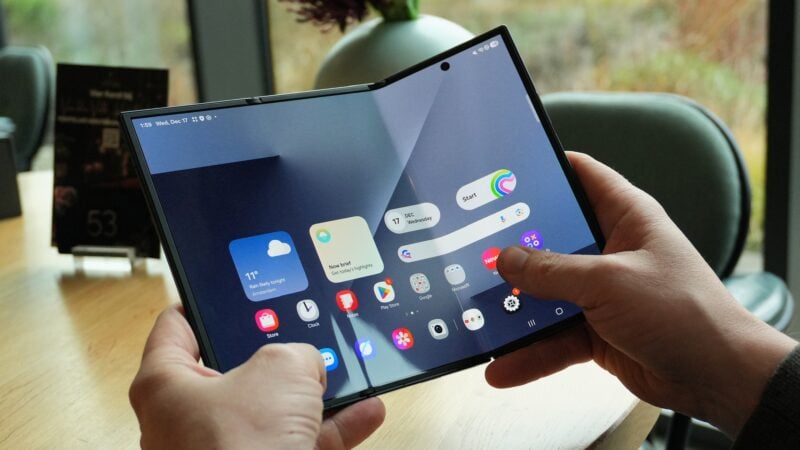





 Apple surprised Samsung on its own home turf
 iPhone Duo's Apple Pencil support makes Z Fold 8’s missing S Pen harder to excuse
 The iPhone Duo didn’t make me jealous as a Samsung fan, the iOS 27 release date did
 Samsung used variable aperture to improve night shots, but Apple is taking a different approach
 I thought Samsung's Galaxy AI Call Brief feature doesn't work, until it did
 Samsung made history with foldables, Apple rewrites it tomorrow
 Why I miss when Samsung made weird Galaxy phones
 Apple sets the pace, but Samsung drives the heartbeat
 The two problems Samsung's FE branding causes for both average consumers and fans



