Last updated: January 25th, 2021 at 07:56 UTC+01:00
SamMobile has affiliate and sponsored partnerships, we may earn a commission.
Reading time: 2 minutes
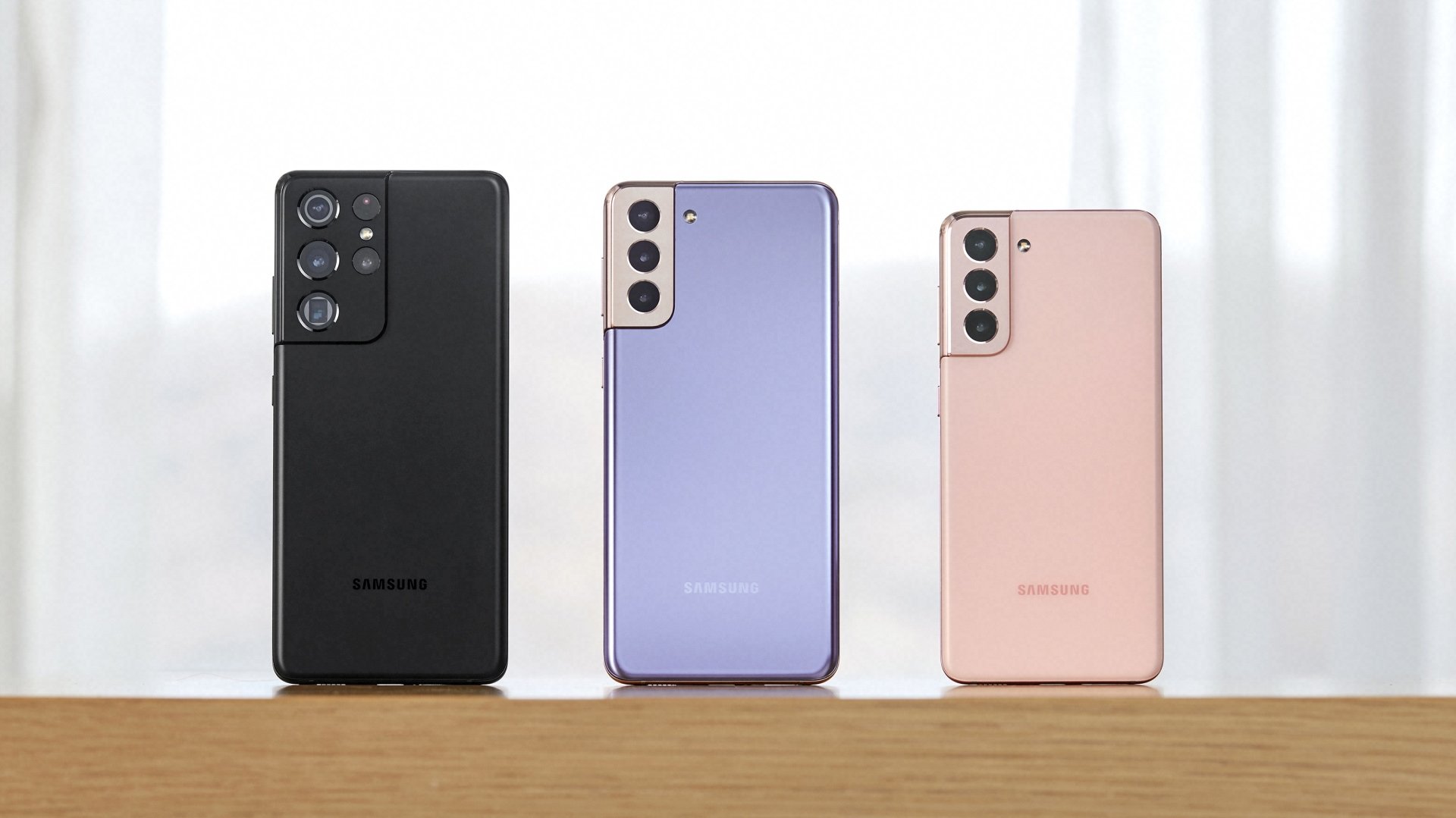
The Seamless Updates feature allows a new firmware update to be installed in the background while the device is being actively used. Upon the next reboot, the phone or the tablet boots the new firmware, offering users a seamless experience and not having to stare at the progress bar. This feature is implemented using virtual A/B partitions, and that takes up a lot of storage space. Samsung's One UI software is already quite huge, so not having the Seamless Updates feature is an advantage as well.
Last year, the Android 11 Vendor Test Suite was spotted with Seamless Updates being a requirement for smartphone vendors. However, the latest version of the Android 11 Compatibility Definition Document doesn't list Seamless Updates as a requirement. However, Google still tells smartphone brands to implement Seamless Updates, and brands like Google, Motorola, OnePlus, and LG smartphones come with the feature.
With the microSD card slot gone from its latest flagship smartphones, do you still think Samsung should implement Seamless Updates at the expense of lower usable internal storage? Let us know what you think in the comments section below.
[modelinfo model=”SM-G991B”]
[modelinfo model=”SM-G996B”]
[modelinfo model=”SM-G998B”]

Asif is a computer engineer turned technology journalist. He has been using Samsung phones since 2004, and his current smartphone is the Galaxy S23 Ultra. He loves headphones, mechanical keyboards, and PC hardware. When not writing about technology, he likes watching crime and science fiction movies and TV shows.