Your phone contains a wealth of personal information, from your location and messages to your photos and browsing habits. While this data helps you stay connected and organized, it also makes your device an attractive target for tracking. Phone tracking can happen through various methods, some legitimate and others more concerning.
Understanding how phone tracking works and recognizing the warning signs can help you maintain control over your privacy. Whether you're concerned about unwanted surveillance or simply want to understand what tracking capabilities exist on your Samsung device, knowing the facts empowers you to make informed decisions about your digital security.
How Can Someone Track Your Phone Without You Knowing?
Someone can track your phone through built-in location services, hidden tracking apps, or by accessing your Samsung account credentials. The most common methods include using family tracking features, installing monitoring software, or exploiting shared account access.
Location tracking often happens through legitimate features that can be misused. Samsung devices come with Find My Mobile capabilities that help locate lost phones, but these same features allow anyone with access to your account to see your location. Family sharing services like Samsung Family Hub or Google Family Link provide location sharing that parents typically use for safety, but they can also track your movements continuously.
Tracking apps represent another common method. These applications can be installed directly on your device or remotely if someone has physical access to your phone. Some disguise themselves as innocent apps like calculators or games, while others run completely hidden in the background. Once installed, they can monitor your location, messages, calls, and browsing activity.
Network-based tracking can also occur through your carrier or Wi-Fi connections. Your phone constantly communicates with cell towers and Wi-Fi networks, creating a digital trail of your movements. While this data typically requires legal authorization to access, it demonstrates how your device naturally creates location records.
What Are the Signs Your Phone Is Being Tracked?
Common signs of phone tracking include unusual battery drain, increased data usage, unexpected background activity, and strange behavior, such as apps opening on their own or settings changing without your input.
Battery performance often provides the first clue. Tracking apps run continuously in the background, consuming power even when you're not actively using your phone. If your Samsung device suddenly needs charging more frequently despite normal usage patterns, hidden software might be running.
Data consumption increases when tracking apps upload your information to remote servers. Check your data usage in Settings > Connections > Data usage to identify any unusual spikes or apps consuming excessive data. Tracking software often transmits location data, messages, and other information regularly.
Your phone may also exhibit strange behavior. Apps might open unexpectedly, settings could change without your input, or you might notice new apps you didn't install. Some tracking software causes phones to restart randomly or become sluggish during normal operation.
Audio or visual indicators can signal active monitoring. Your phone might make clicking sounds during calls, display pop-up messages, or show notification icons you don't recognize. While modern smartphones typically hide tracking activities well, these signs can sometimes slip through.
How Do You Check if Someone Installed Tracking Apps on Your Samsung Phone?
Check for tracking apps by reviewing your installed applications in Settings > Apps, looking for unfamiliar programs, examining running services, and checking device administrator permissions for unauthorized access.
Start by examining your app list thoroughly. Go to Settings > Apps and scroll through all installed applications. Look for apps you don't remember downloading, especially those with generic names like “System Update,” “Device Care,” or “Security Service.” Tracking apps often use misleading names to avoid detection.
Review running services and background processes. In Settings > Device care > Battery > Background app limits, check which apps have permission to run in the background. Tracking software typically needs constant background access to monitor your activities effectively.
Examine device administrator permissions carefully. Navigate to Settings > Biometrics and security > Other security settings > Device admin apps. Tracking apps often request administrator privileges to prevent easy removal and gain deeper system access. Remove any unfamiliar apps from this list.
Check your Samsung account activity for signs of unauthorized access. Open Settings > Accounts and backup > Samsung account > Privacy > Permissions and data, then review recent sign-ins and connected devices. Unusual login locations or unknown devices might indicate someone else is accessing your account.
Advanced Detection Methods
For a deeper investigation, monitor your network connections and file system. Hidden tracking apps sometimes create unusual network traffic or store data in unexpected locations. Third-party security apps can scan for known tracking software, though determined trackers might use custom or updated programs that avoid detection.
Can Family Members Track Your Phone Through a Samsung Account?
Yes, family members can track your Samsung phone if they have access to your Samsung account or if you've enabled family sharing features like Samsung Family Hub, which allows authorized users to view location and device activity.
Samsung Family Hub provides legitimate family tracking capabilities. Parents can monitor their children's device usage, set screen time limits, and track location for safety purposes. However, these same features allow continuous location monitoring if you're unaware they're enabled or if someone gains unauthorized access to the family account.
Shared Samsung accounts create tracking opportunities. If multiple family members use the same Samsung account or know your login credentials, they can access Find My Mobile features to locate your phone. This service shows real-time location data and device status to anyone signed into the account.
SmartThings integration can also enable tracking through connected devices. If your family shares a SmartThings account, other members might see when you arrive home, leave, or move between locations based on your phone's interaction with smart home devices.
Review your family sharing settings regularly. Go to Settings > Accounts and backup > Samsung account > Family and check which services are shared and who has access. Disable location sharing for family members if you prefer privacy, or create separate accounts for individual family members.
How Do You Stop Someone From Tracking Your Phone?
Stop phone tracking by disabling location services, removing suspicious apps, changing your Samsung account password, turning off family sharing features, and regularly reviewing app permissions and account access.
Start with location services, which provide the foundation for most tracking methods. Go to Settings > Location and turn off location access entirely, or customize which apps can access your location. Disable “Improve accuracy” features that use Wi-Fi and Bluetooth scanning for more precise location data.
Secure your Samsung account immediately. Change your password, enable two-factor authentication, and sign out of all devices from Settings > Accounts and backup > Samsung account > Privacy > Sign in and security. This prevents unauthorized access to Find My Mobile and other tracking features.
Remove suspicious applications completely. Uninstall any unfamiliar apps, especially those with device administrator privileges. For stubborn apps that resist removal, boot into Safe Mode by holding the power button and tapping and holding “Power off” until “Safe mode” appears, then uninstall the problematic software.
Disable family sharing and location features you don't need. Turn off Samsung Family Hub, SmartThings location sharing, and Google Family Link if they're not necessary. Review and revoke permissions for apps that don't need location access for their core functionality.
Ongoing Protection Strategies
Maintain your privacy by regularly auditing app permissions, keeping your Samsung account credentials private, and avoiding public Wi-Fi for sensitive activities. Enable app installation restrictions to prevent unauthorized software installation, and consider using a VPN for additional location privacy when browsing or using apps.
Understanding phone tracking helps you maintain control over your personal information and digital privacy. While tracking technologies serve legitimate purposes, such as finding lost devices or keeping families connected, awareness of how they work ensures you can make informed choices about your Samsung device's privacy settings. Regular security reviews and careful management of app permissions provide the best protection against unwanted tracking while preserving the convenience features you actually want to use.


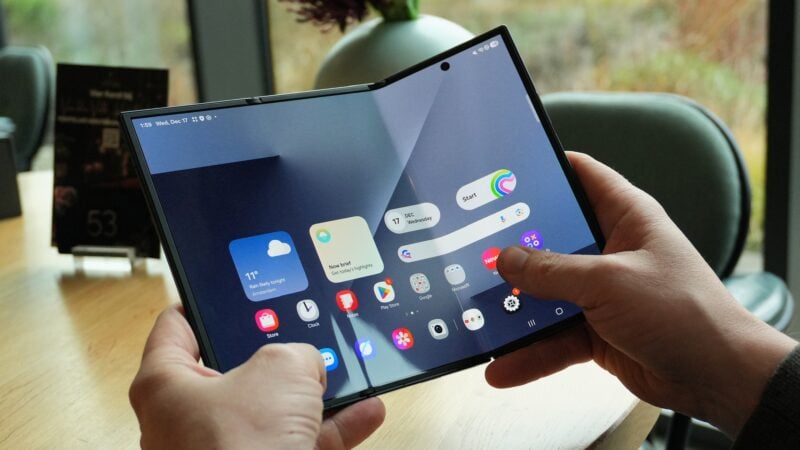





 Apple surprised Samsung on its own home turf
 iPhone Duo's Apple Pencil support makes Z Fold 8’s missing S Pen harder to excuse
 The iPhone Duo didn’t make me jealous as a Samsung fan, the iOS 27 release date did
 Samsung used variable aperture to improve night shots, but Apple is taking a different approach
 I thought Samsung's Galaxy AI Call Brief feature doesn't work, until it did
 Samsung made history with foldables, Apple rewrites it tomorrow
 Why I miss when Samsung made weird Galaxy phones
 Apple sets the pace, but Samsung drives the heartbeat
 The two problems Samsung's FE branding causes for both average consumers and fans



