




Published: September 12th, 2026 at 08:00 UTC+02:00


Where is the privacy setting on my Samsung phone?

Daniel van Dorp

Reading time: 9 minutes

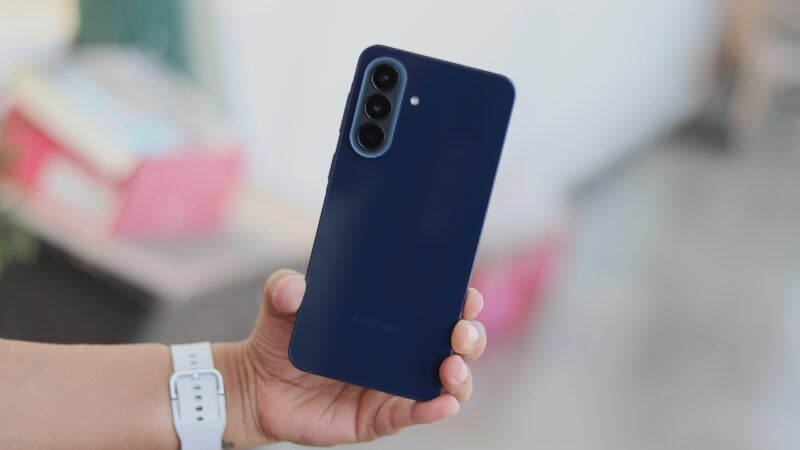
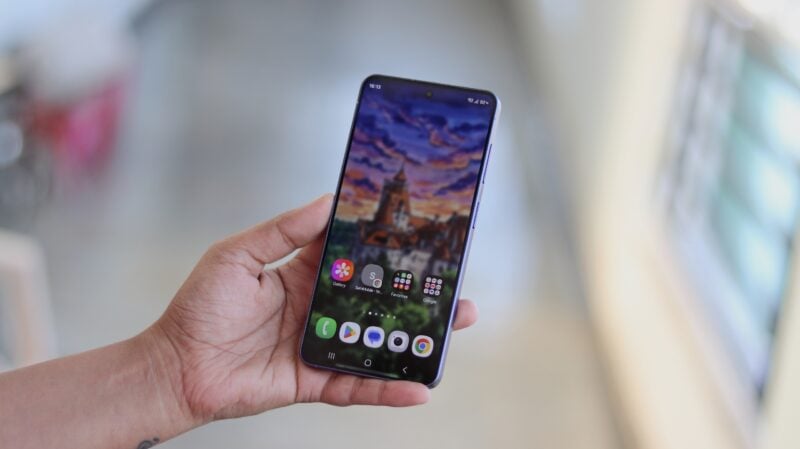
Finger hovering over a Samsung Galaxy smartphone displaying a blurred settings menu on a matte desk.

Abhijeet Mishra / SamMobile

Knowledge Base

Finger hovering over a Samsung Galaxy smartphone displaying a blurred settings menu on a matte desk.

TL;DR

  • Open Settings and tap Privacy to find Samsung’s main privacy controls, or use the Settings search bar and type privacy.
  • The Privacy menu lets you manage app permissions, check the privacy dashboard, control clipboard and ad settings, and review Samsung data sharing.
  • To block camera or microphone access, go to Permission manager and set an app to Don’t allow; enhanced data protection adds end-to-end encryption for Samsung account backups.

Your Samsung phone's privacy settings are found in the Settings app under a section simply called Privacy. To get there, open Settings, scroll down until you see Privacy, and tap it. Everything from app permissions to your privacy dashboard lives in that one place, making it straightforward to review and adjust what your phone shares and with whom. The sections below walk through exactly what you can do once you're inside.

How do I find the privacy settings on my Samsung phone?

To find the privacy settings on your Samsung phone, open the Settings app (the gear icon on your home screen or in your notification shade), then scroll down and tap Privacy. This single menu is your central hub for controlling permissions, reviewing data access, and managing security-related preferences across your entire device.

If you're having trouble locating it, the fastest shortcut is to use the search bar at the top of the Settings app. Just type “privacy” and it will appear instantly. This works on virtually every Samsung Galaxy phone running One UI, which is Samsung's software layer on top of Android.

Once inside the Privacy menu, you'll notice it's organized into clear categories rather than a long, confusing list. Samsung has done a good job of grouping related options together so you don't have to dig through dozens of menus to find what you need.

What can I control in Samsung's privacy settings?

Inside Samsung's privacy settings, you can control app permissions (camera, microphone, location, contacts, and more), review your privacy dashboard, manage clipboard access, adjust ad preferences, and toggle features like showing passwords as you type. It covers both what apps can do and what data Samsung itself collects from your device.

Here's a quick overview of the main things you'll find:

  • Permission manager: See which apps have access to sensitive features like your camera, microphone, location, and contacts
  • Privacy dashboard: A visual summary of which apps accessed your data in the last 24 hours
  • Clipboard protection: Get alerts when apps try to read text you've copied
  • Show passwords: Choose whether characters briefly appear as you type a password
  • Ads: Reset your advertising ID or opt out of personalized ads
  • Samsung privacy policy and data: Review what Samsung collects and manage diagnostic data sharing

Most everyday users only need to focus on the permission manager and the privacy dashboard. Those two tools give you the clearest picture of what's happening on your phone and where you might want to tighten things up.

How do I stop apps from accessing my camera or microphone?

To stop an app from accessing your camera or microphone, go to Settings > Privacy > Permission manager, tap either Camera or Microphone, find the app you want to restrict, and change its permission to Don't allow. This immediately blocks that app from using those features until you change it back.

You have a few permission levels to choose from, not just a simple on or off:

  • Allow only while using the app: The app can access the camera or microphone only when it's open on your screen
  • Ask every time: Your phone will prompt you each time the app tries to use it
  • Don't allow: The app is completely blocked from accessing it

For most apps, “Allow only while using the app” is a sensible middle ground. It means a video-calling app can use your camera when you're on a call, but it can't quietly access it in the background. If you see an app in the permission list that has no obvious reason to need your microphone or camera, blocking it entirely is a perfectly reasonable choice.

Samsung also adds a handy layer of protection here: a small green dot appears in the top-right corner of your screen whenever an app is actively using your camera or microphone. If you notice that dot when you're not expecting it, head straight to the permission manager to investigate.

What is the privacy dashboard on Samsung phones?

The privacy dashboard on Samsung phones is a visual overview that shows which apps accessed sensitive permissions such as your location, camera, microphone, and contacts within the last 24 hours. It's designed to help you quickly spot unusual or unexpected app activity without having to check each permission individually.

You'll find it at the top of the Privacy menu in Settings. The dashboard presents a simple timeline so you can see not just which apps accessed your data, but roughly when they did. If you notice an app accessed your location at 3 a.m. when you weren't using your phone, that's a clear signal to investigate or revoke that permission.

The privacy dashboard is one of the more underused features on Samsung phones, but it's genuinely useful for anyone who wants a quick health check on their device without needing to be technically minded. Checking it once a week takes about 30 seconds and gives you a solid sense of what's going on behind the scenes.

Should I turn on enhanced data protection on my Samsung?

Yes, turning on enhanced data protection on your Samsung phone is worth doing for most people. This setting encrypts your Samsung account data end-to-end, meaning only your devices can decrypt it, not even Samsung. It adds a meaningful layer of security, particularly for sensitive data like contacts, notes, and messages backed up to your Samsung account.

You can find it in Settings > Samsung account > Privacy and security > Enhanced data protection. When you enable it, Samsung will ask you to set up a recovery option, which is important. If you lose access to your account and haven't set up recovery, you could lose access to your backed-up data.

There are a couple of things to keep in mind before switching it on:

  • Some Samsung features that rely on server-side processing may be limited, since Samsung can no longer read your data to power those features
  • You'll need to make sure your recovery method is saved somewhere safe, since the encryption cannot be reversed without it
  • It applies to Samsung account backups, not to everything on your phone, so it works alongside rather than replacing other privacy settings

For the vast majority of everyday Samsung users, the benefits of enhanced data protection outweigh the minor limitations. If you store personal notes, contacts, or messages in your Samsung account, enabling it is a straightforward way to make sure that data stays private.

Frequently Asked Questions

How often should I review my Samsung privacy settings?

A quick monthly review is a good habit for most users. Apps frequently update and can request new permissions without making it obvious, so checking your permission manager and privacy dashboard once a month helps you catch anything that's crept in. If you've recently installed several new apps, it's worth doing a check sooner rather than waiting.

What should I do if I see an app accessing my location in the background that I didn't expect?

Head to Settings u003e Privacy u003e Permission manager u003e Location, find the app in question, and change its permission to ‘Allow only while using the app' or ‘Don't allow' entirely. Background location access is one of the most privacy-sensitive permissions because it can track your movements continuously without you realizing it. If the app has no clear reason to need your location at all — such as a flashlight or calculator app — revoking it completely is the right call.

Will blocking permissions break the apps on my phone?

It depends on the app and the permission. Blocking a permission that's core to an app's function — like denying camera access to a QR code scanner — will stop that specific feature from working, but the rest of the app will usually still run fine. For permissions that seem unrelated to what an app actually does, blocking them typically has no noticeable effect on your experience at all.

Is there a way to quickly lock down my privacy settings without going through every menu individually?

Yes — Samsung's Privacy Dashboard is your fastest starting point. Rather than manually combing through every permission category, open it from Settings u003e Privacy and look for any apps flagged as having accessed sensitive permissions recently. From there, you can tap directly into the relevant permission and adjust it on the spot, which is much faster than reviewing each category from scratch.

Does Samsung's privacy settings menu also cover Google permissions, or only Samsung-specific ones?

The Privacy menu in Samsung Settings covers device-wide app permissions, which applies to all apps regardless of whether they're from Samsung or Google. However, Google has its own separate privacy controls inside the Google account settings and the Google app itself, which govern things like your Google search history, ad personalization, and data stored in your Google account. For full coverage, it's worth reviewing both Samsung's Privacy menu and your Google account's privacy settings.

What's the difference between Samsung's enhanced data protection and simply having a strong lock screen password?

A strong lock screen password protects your phone from someone who physically has your device and tries to get into it. Enhanced data protection, on the other hand, protects the data you've backed up to your Samsung account in the cloud, ensuring that even Samsung's servers cannot read it. They address two different threat scenarios, which is why using both together gives you much more comprehensive protection than either one alone.

Are these privacy settings the same across all Samsung Galaxy models, or do they vary?

The core Privacy menu and its main features — permission manager, privacy dashboard, clipboard protection, and enhanced data protection — are consistent across Samsung Galaxy phones running One UI 3.0 and later. However, the exact layout, available options, and feature names can vary slightly depending on your specific model and which version of One UI your phone is running. If an option mentioned in this post looks slightly different on your device, using the search bar in Settings is the quickest way to locate it by name.

Related Articles

This content was generated with the help of AI — it may contain mistakes