







Epic deals Galaxy Z Fold7 and Galaxy S25 Ultra
Last updated: February 13th, 2026 at 07:17 UTC+01:00
SamMobile has affiliate and sponsored partnerships, we may earn a commission.
Chips using the world's most advanced low-power DRAM will likely launch next year.
Reading time: 3 minutes
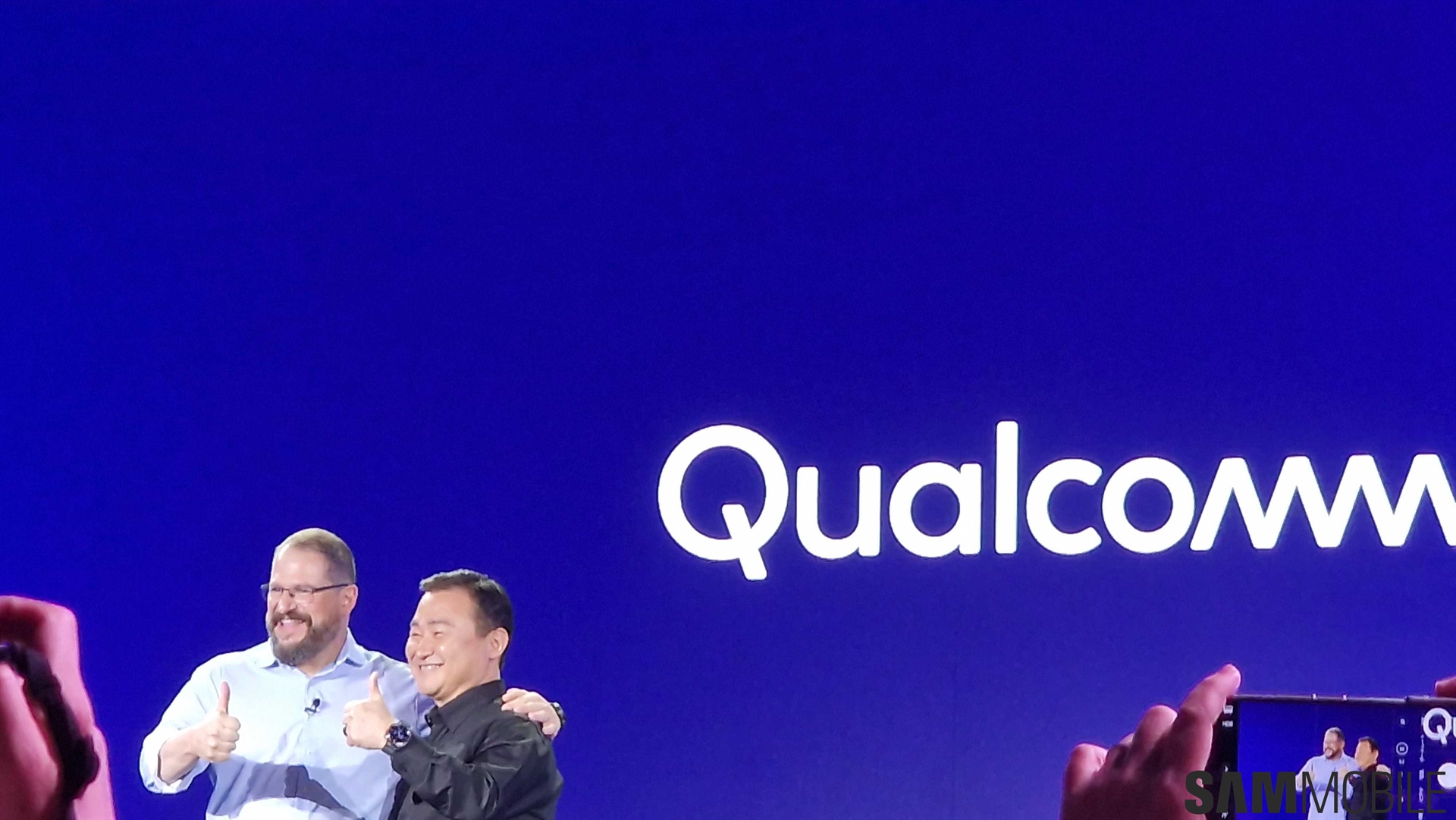
Samsung appears to have regained its competitiveness in the memory chips segment. Yesterday, the company announced that it had become the world’s first to begin mass production of sixth-generation high-bandwidth memory (HBM4) chips. Now, reports suggest the South Korean firm has already shipped LPDDR6X memory chip samples to Qualcomm for use in next-generation processors.
A report from The Bell claims that Samsung Electronics has sent LPDDR6X memory samples to Qualcomm. These chips could be used in Qualcomm processors expected to launch in the second half of 2027. This move is unusual, as Samsung has not yet commercially launched LPDDR6 DRAM and has already provided LPDDR6X chips that are still under development.
Industry insiders believe Samsung’s LPDDR6X DRAM could be used in Qualcomm’s data center–focused AI250 accelerator cards as well as in future automotive chips. The AI250 system is expected to feature more than 1,000GB of LPDDR6X DRAM, and Qualcomm may prioritize Samsung as its memory supplier.
Image Credits: Qualcomm
Low-power memory such as LPDDR is typically used in laptops, smartphones, tablets, and wearable devices. However, Nvidia recently began adopting LPDDR memory in its AI accelerator systems as well.
LPDDR6 offers a maximum data transfer speed of 14.4Gbps and peak bandwidth of 38.4GB/s, representing improvements of 44% and 20%, respectively, compared to LPDDR5X chips. LPDDR6X memory is expected to deliver even better performance and efficiency, although the Joint Electron Device Engineering Council (JEDEC) has not yet finalized the LPDDR6X standard.
Samsung has been the world’s largest semiconductor memory chip maker for decades. However, likely due to a lack of foresight in the AI market, it failed to capitalize on high-bandwidth memory (HBM) chips over the past two to three years. As a result, it lost the HBM3E race last year, allowing smaller rivals such as Micron and SK hynix to overtake it.
After losing billions in potential revenue last year, Samsung appears determined not to repeat the same mistake with future memory technologies. The company seems to have accelerated development of HBM4 chips for AI servers, along with LPDDR6 and LPDDR6X memory for consumer electronics and data center use cases.
Shipping under-development LPDDR6X memory samples to Qualcomm before officially launching LPDDR6 suggests Samsung is eager to demonstrate its design capabilities early in the development cycle. It may also be seeking feedback from key customers to help refine and optimize products that are still in progress.
Samsung said that it is working on next-generation HBM memory, including HBM4E, HBM5, and custom HBM.
Asif is a computer engineer turned technology journalist. He has been using Samsung phones since 2004, and his current smartphone is the Galaxy S23 Ultra. He loves headphones, mechanical keyboards, and PC hardware. When not writing about technology, he likes watching crime and science fiction movies and TV shows.