
Epic deals Galaxy Z Fold7 and Galaxy S25 Ultra
Last updated: February 12th, 2026 at 07:37 UTC+01:00
SamMobile has affiliate and sponsored partnerships, we may earn a commission.
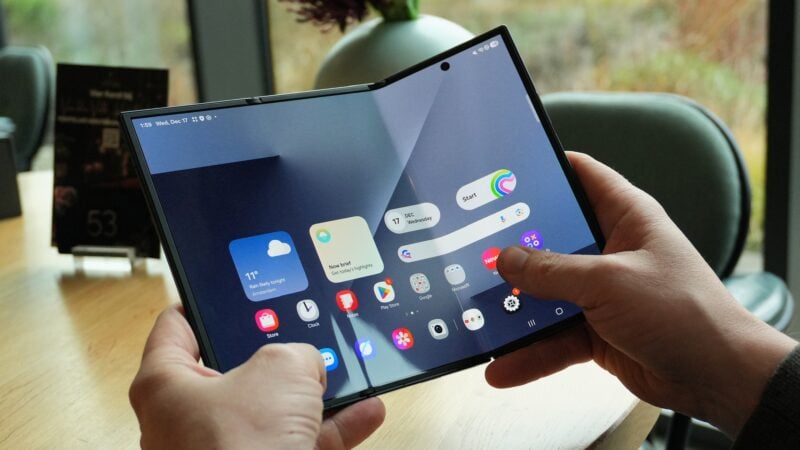
It brings better transition between camera lenses and adaptive apps for big-screen Android devices, such as Galaxy Z Flip and Galaxy Z Fold phones.
Reading time: 3 minutes
Google announced yesterday that it would release the first beta version of Android 17 today. However, the release has been postponed, and no explanation has been provided. The company has still revealed several new features and improvements coming with Android 17.
Compatible Galaxy phones and tablets will receive most of these changes through One UI 9, which will be based on the upcoming Android version.
With Android 17, Google will no longer allow app developers to lock their apps to specific orientations or sizes. This means developers must make their apps more adaptable, especially for large-screen devices such as foldable phones and tablets. Apps targeting Android 17 (SDK 37) must properly support resizing and windowed multitasking.
Samsung's Galaxy Tab and Galaxy Z Fold devices will benefit significantly from this change. These new rules should also improve app behavior on the upcoming version of ChromeOS, which is based on the Android platform.
Google is also introducing professional-grade camera APIs for smoother transitions between different camera lenses on a device. This improvement should reduce the freezes, hiccups, and stutters that sometimes occur when opening the camera or switching between ultrawide, primary, telephoto, and front-facing cameras.
Android 17 will allow developers to access metadata from all camera sensors on a device. Even when one camera is actively in use, apps can retrieve information from other sensors. This capability will help developers understand what other cameras are seeing and create smoother zoom transitions.
Google is also adding support for Versatile Video Coding (VVC), also known as H.266. This video compression format enables higher-quality video at smaller file sizes.
Calls made or received through VoIP apps such as Messenger, Telegram, and WhatsApp can appear in the phone’s built-in dialer app, if developers choose to support the feature. Using Wi-Fi ranging, compatible devices will also be able to measure distance to nearby devices more accurately.
Android 17 introduces new “Fitness Trackers” and “Medical Devices” profiles. When devices with these profiles attempt to connect to a phone or tablet, the system can grant multiple required permissions through a single prompt.
Android XR devices, such as the Galaxy XR, are also receiving improvements. Apps on these devices will respond more effectively to user interactions and display state changes.
Most of these updates are developer-focused, meaning users will notice them only after app developers implement support. Some changes may remain largely invisible to typical users. More user-facing features, such as better gaming, newer visual effects, and a better copy-paste experience across devices, will likely appear closer to the stable release of Android 17.
Based on Google’s official release timeline, additional beta versions of Android 17 will arrive over the next few months. The platform is expected to reach developer stability in March 2026, with the stable update rolling out around June 2026. The update will arrive first on Pixel devices, followed by other eligible Android phones and tablets.
One UI 9, based on Android 17, will likely debut with the Galaxy Z Flip 8 and Galaxy Z Fold 8, which are expected to be announced in June 2026.