






Cyber week deals! Galaxy Watch8 Classic, Fold 7, S25 Ultra. Follow us on YouTube, TikTok, or Instagram
Last updated: November 25th, 2025 at 08:50 UTC+01:00
SamMobile has affiliate and sponsored partnerships, we may earn a commission.
It plans to use these AI agents internally and in its products.
Reading time: 3 minutes
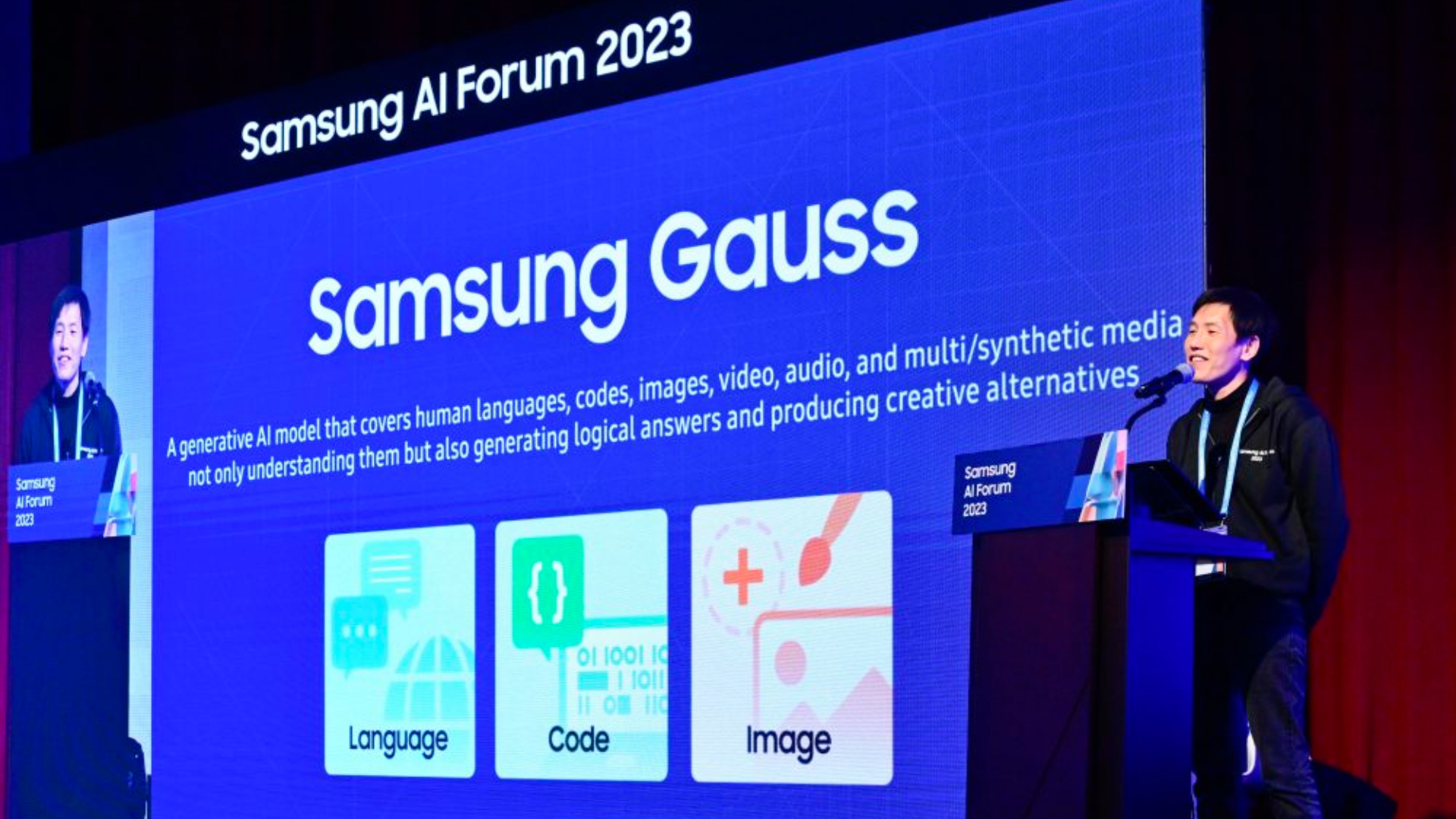
In 2024, Samsung introduced its in-house family of AI models: Gauss. The company further refined it in 2025 and launched Gauss 2.0. Now, Samsung appears to have enhanced its AI models even more and developed its own Agentic AI tools as part of its strategy for self-reliance in the AI era.
A report from South Korea claims that Samsung Research, Samsung Electronics' advanced research division, has develped an ‘Agentic Builder.' It is an Agentic AI production tool that has been developed using Samsung's newer large language models (LLMs): Gauss 2.3, Gauss 2.3 Think, and Gauss O Flash.
Currently, Gauss is being used as a no-code, interface-based Agent Builder for in-house use. It is reportedly also being used to power a multi-modal information retrieval system codenamed ‘Sirius.' The Agent Builder can be used to quickly develop business-critical AI agents by just combining the required components, which are like building blocks of an agent.
Components of Samsung's AI agents could include things like input/output windows, AI models, and ‘DoXA' logic structures using a drag-and-drop interface. DoXA is Samsung's internal document analysis engine that has been developed by Samsung Research. Adding DoXA to an AI agent allows it to understand business context.
Samsung has used Gauss' multimodal nature to develop Sirius, which is an in-house knowledge search service. It reportedly focuses on knowledge graph systems to overcome the limitations of conventional search methods. It can work through text, numbers, tables, images, and attachments.
A Samsung Research Software Innovation Center official told TheElec, “Sirius is currently being provided as a beta service for employees. It is mainly used for searching for product development-related knowledge or exploring specific technical tasks and information on those in charge.“
The South Korean firm also seems to have developed a better image generation AI model that overcomes the limitations of other image generation models. For example, they can't generate images exactly as requested and can't create images of things they haven't learned. Samsung created a structure that uses added reference images. The AI model can transform objects based on natural language prompts without distorting its key characteristics.
Samsung said internal use of its image generation model increased by 153% since the release of its newer version. The company said it developed a special dataset and optimised it so that open-source models that mostly rely on latent diffusion models (LDMs) and can't do additional learning can learn more.
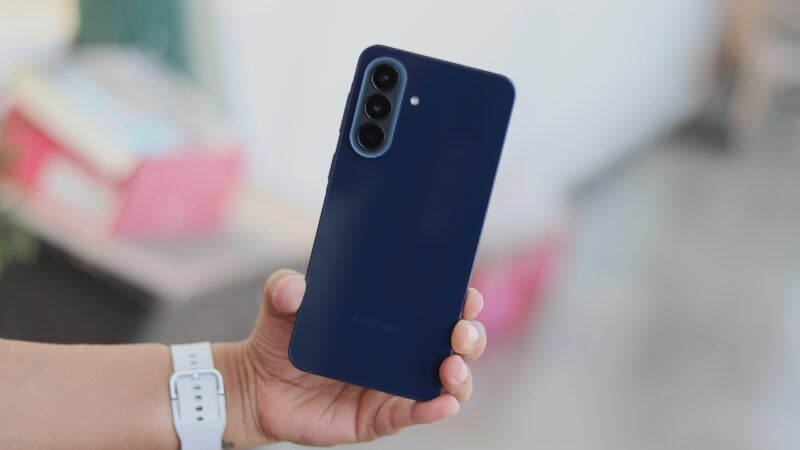
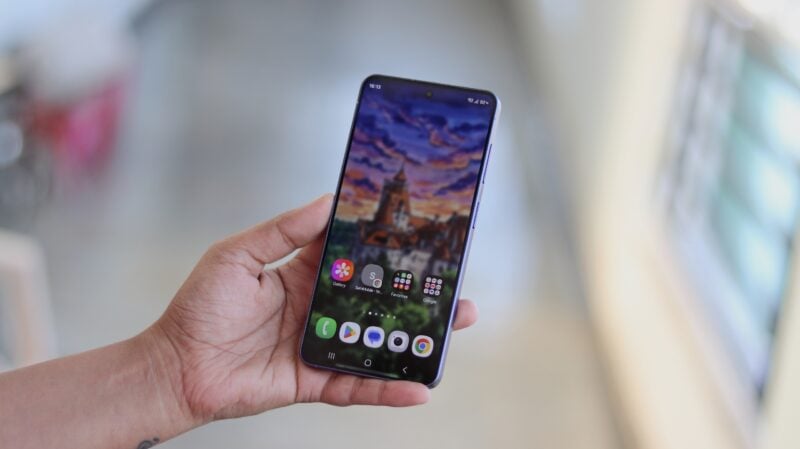
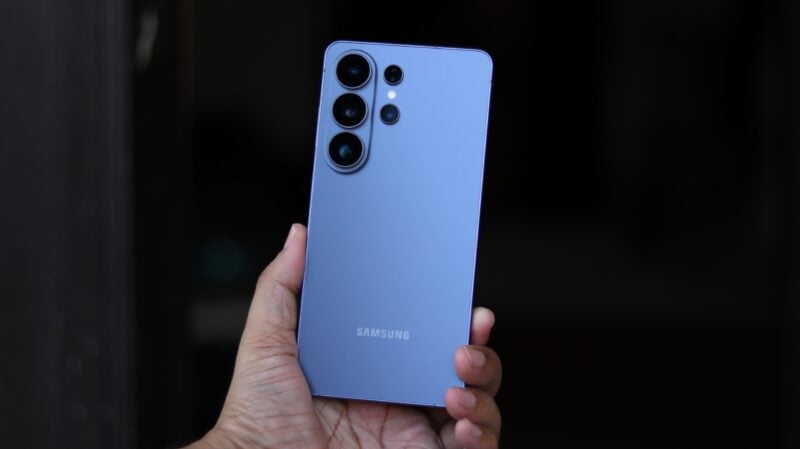
The South Korean firm aims to start using its newer and improved Gauss AI models internally and even in its future products. The Galaxy S26 is expected to be the first Samsung phone that will support Agentic AI throughout the system. Multiple AI models, including Gauss, Gemini, and Perplexity, are rumored to be supported by the upcoming flagship phone.
Asif is a computer engineer turned technology journalist. He has been using Samsung phones since 2004, and his current smartphone is the Galaxy S21 Ultra. He loves headphones, mechanical keyboards, and PC hardware. When not writing about technology, he likes watching crime and science fiction movies and TV shows.