





Cyber week deals! Galaxy Watch8 Classic, Fold 7, S25 Ultra. Follow us on YouTube, TikTok, or LinkedIn
Last updated: February 28th, 2024 at 09:48 UTC+01:00
SamMobile has affiliate and sponsored partnerships, we may earn a commission.
Reading time: 3 minutes
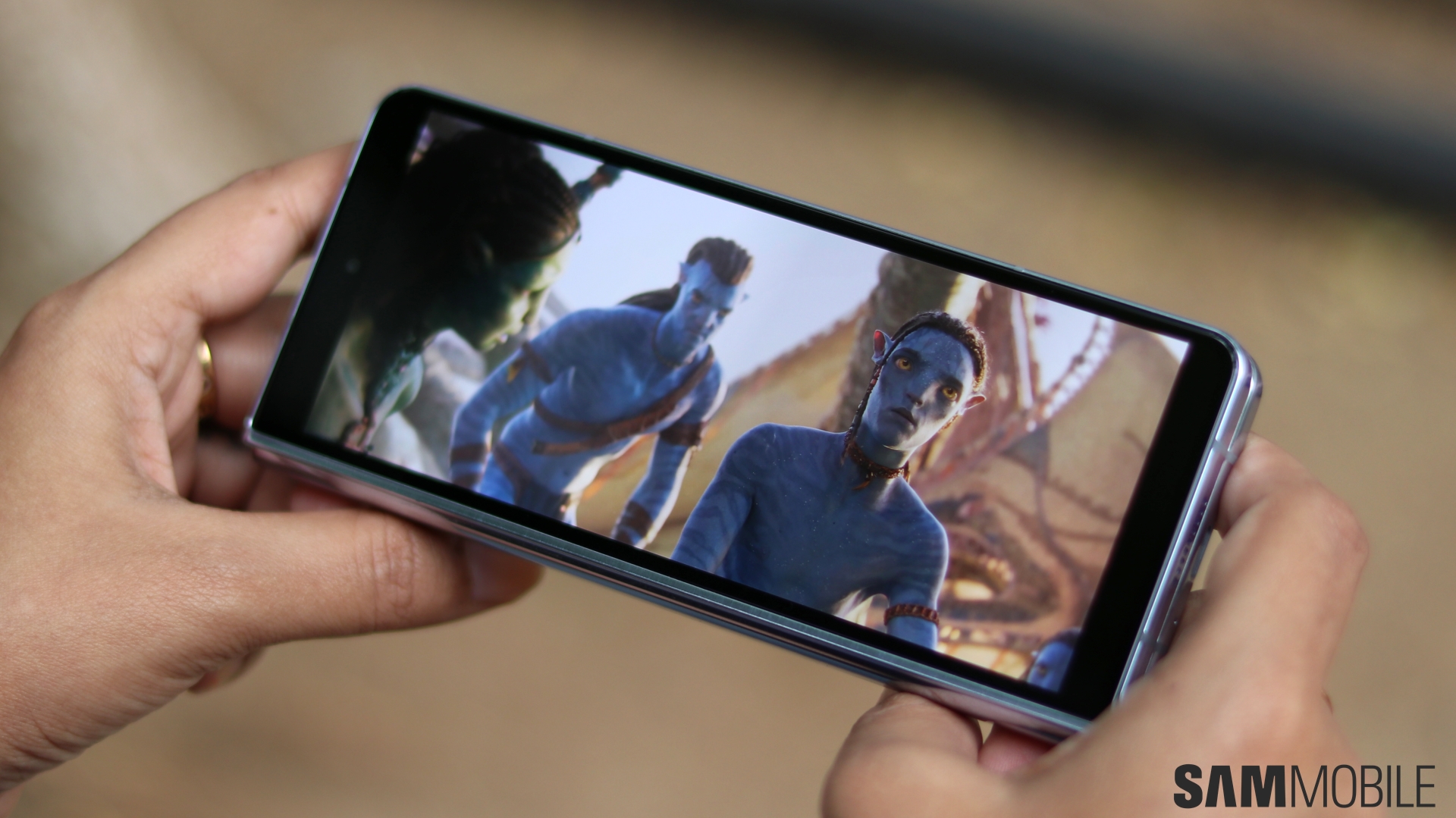
Lately, many video streaming services, including Netflix and YouTube, have started streaming videos in the AV1 codec on supported devices. That’s because this video codec requires less bandwidth than other video codecs, including h.264 and h.265, to offer the same video quality. However, many Android smartphones and tablets don’t have the hardware dedicated to decode (playback) AV1 videos. As such, they decode (playback) AV1 videos using a software decoder that runs on the CPU.
Now, most applications on Android, including streaming apps such as Netflix, YouTube, and even inbuilt video players, play AV1 videos using the operating system’s libgav1 software decoder. While it works great, it isn’t as efficient as VideoLAN’s libdav1d software decoder, which comes bundled with the VLC media player for the platform. According to Mishaal Rahman, the one from VideoLAN offers five times better performance (or five times fewer resources to perform the same task).
It means that if apps use the libdav1d software decoder instead of the libgav1 software decoder, they might be able to run AV1 videos more smoothly. Apart from that, since libdav1d requires fewer resources than libgav1, devices running the new software decoder could use the remaining resources to offer better multitasking performance or better battery life. For example, older Galaxy smartphones/tablets might be able to run AV1 videos more efficiently with the libdav1d software decoder.
Well, Google knows that, and that is why the company is planning on replacing the libgav1 software decoder with the libdav1d software decoder in Android with an update to the Google Play System (via Mishaal Rahman on Android Authority). Google can offer a new software decoder (or replace one with the other) on Android with the help of Project Mainline, which is available on Android 10 and newer versions of the operating system.
That means, the company can offer the new software decoder on all devices running Android 10 and newer versions of the OS, which could massively help older devices, which struggle to play videos in this format due to a lack of enough processing power. However, Mishaal says that Google might offer it only on devices running on Android 14 since Google has made it mandatory for manufacturers to offer AV1 codec from this version of the OS.
At the moment, there’s no information about when Google will roll out the libdav1d decoder. However, Mishaal suggests the company might offer it with the March 2024 Google Play System Update. We really hope that the company offers it on all devices running Android 10 and newer versions of the OS.
I’m a computer science engineer living in Hyderabad, India, who has a keen interest in automobiles and consumer electronics. My journalism career kicked off in 2017 with MySmartPrice where I wrote news, features, buying guides, and explanatory articles about technology among other things, and reviewed many products, including smartphones, tablets, laptops, PC components, smartwatches, audio devices, wearables, and smart home products. Since then, I have worked for 91Mobiles, Apple, and Onsitego, before finally landing on SamMobile.