Last updated: March 29th, 2017 at 21:54 UTC+02:00
SamMobile has affiliate and sponsored partnerships, we may earn a commission.
Reading time: 2 minutes
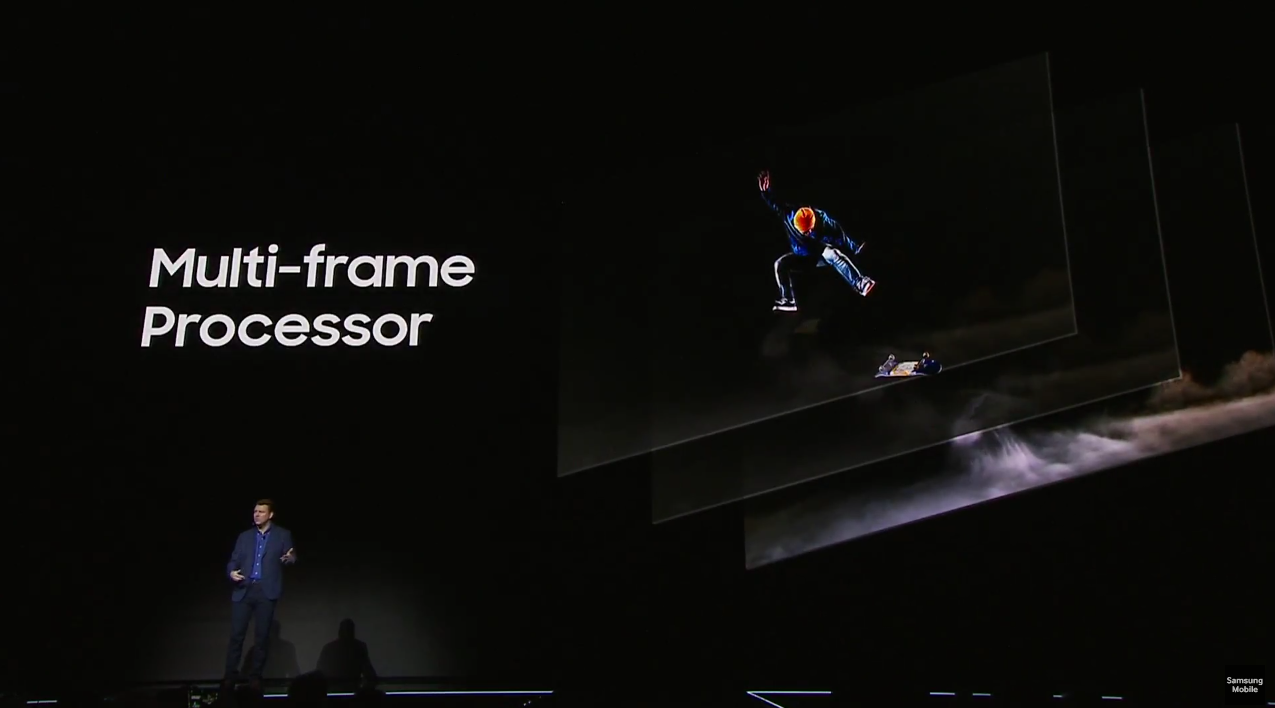
What the multi-frame processor will do is take different images of a scene, and then use data from all of those frames to create the final image, resulting in reduced noise and sharper detail. This isn't an industry-first thing, mind you: The Google Pixel and Pixel XL also use a similar method to achieve great photos, and that is without the presence of features like Dual Pixel focus, high aperture (at least not as high as Samsung's cameras), or even optical image stabilization. The S8 and Pixel might differ in how many frames they combine for the final image, but the end result is the same: better photos than you might expect the camera can capture.
Read More: Samsung Galaxy S8 and Galaxy S8+ hands-on
The Pixel is rather slow at saving the final image; the image saving is done in the background so you can continue taking pictures, but try taking a picture and immediately sharing it and you will need to wait a couple of seconds before you can do so. On the Galaxy S8, the entire procedure will likely be faster, both because of the new 10 nm Exynos/Snapdragon processors and the UFS 2.1 storage on the S8 and S8+. For most intents and purposes, though, regular users will not have any idea what is going on and will only see the camera taking impressive images.
Of course, just how much better the Galaxy S8 camera will be compared to the Galaxy S7 is something only detailed testing will tell. Hopefully, Samsung has made enough improvements to support its decision to keep using the same camera hardware for more than a year.

Abhijeet's writing career started with guides for custom firmware for Samsung devices (including the original Galaxy S), and he moved to SamMobile in mid-2013 and worked up the ranks to Editor-in-chief. In addition to phones and mobile devices, his interests include gaming on both PC and console, PC hardware, and spending countless hours on YouTube watching videos on tech, movies, games, politics, and internet dramas.