Last updated: November 17th, 2016 at 14:51 UTC+01:00
SamMobile has affiliate and sponsored partnerships, we may earn a commission.
Reading time: 2 minutes
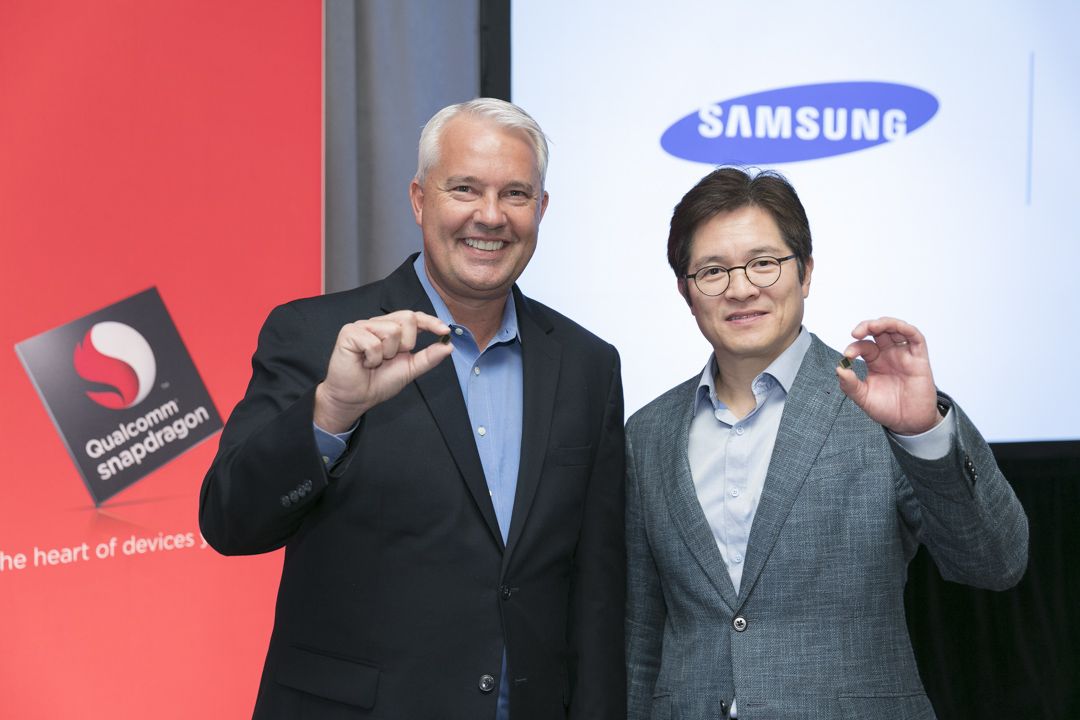
Samsung says its 10 nm technology will allow a 30 percent increase in area efficiency with a 27 percent jump in performance compared to chips based on the 14 nm process, or a 40 percent reduction in power consumption. Given the increasing reports of exploding smartphones (even other than the Note 7), chip makers are likely going to opt for the improved power consumption numbers. Oddly, this is also a confirmation that Qualcomm will not be using the Snapdragon 830 moniker for its next flagship mobile chip, although we could see the Snapdragon 830 make its way to market as a lower-tier version of the 835 later down the line.
Needless to say, Samsung's own Exynos chip – the new Exynos 8895 – will be also using the company's 10 nm process next year, although there is no official word on the same at the moment. In any case, this announcement is yet another feather in Samsung's cap; the Korean giant's chipset business is expected to be one of its main growth factors in the coming years, and Qualcomm's decision to collaborate with Samsung once again can only mean good things for the latter's finances (which have been severely affected by the Galaxy Note 7 recall).

Abhijeet's writing career started with guides for custom firmware for Samsung devices (including the original Galaxy S), and he moved to SamMobile in mid-2013 and worked up the ranks to Editor-in-chief. In addition to phones and mobile devices, his interests include gaming on both PC and console, PC hardware, and spending countless hours on YouTube watching videos on tech, movies, games, politics, and internet dramas.