Last updated: October 17th, 2016 at 04:30 UTC+02:00
SamMobile has affiliate and sponsored partnerships, we may earn a commission.
Reading time: 2 minutes
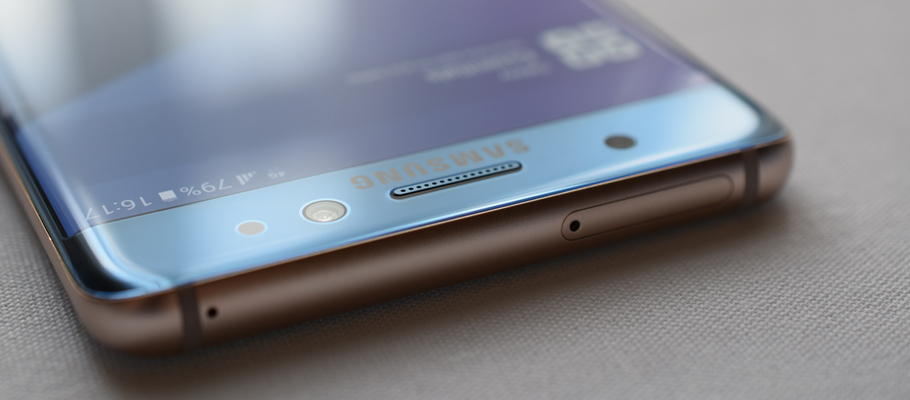
CTIA certification requires a smartphone battery to be tested on its own as well as when it's powering the device. The aim of these tests is to ascertain whether the batteries work properly while a phone is being charged or used for calls, which is when they're most likely going to heat up a bit. Batteries are also put in high temperatures to simulate summer conditions so that potential overheating and combustion hazards can be discovered.
Samsung is currently the only major smartphone manufacturer to use its in-house battery testing facilities for CTIA certification. A spokesman for the company said that tests at its facilities didn't reveal any problems with the Galaxy Note 7's battery. Microsoft and Lenovo used to operate their own labs for CTIA certification but the trade group says that they both being closed. Samsung has been testing its smartphones at its own CTIA-certified lab since 2009 and this is only the first time that it has had this problem on such a massive scale.
The company is currently conducting an investigation into the entire Galaxy Note 7 fiasco. It's yet to come up with an official explanation behind the fires, but the head of Samsung's mobile business has assured customers that he will find out the cause at any cost and make it public to try and rebuild consumer trust in the world's largest smartphone vendor.

Adnan Farooqui is a long-term writer at SamMobile. Based in Pakistan, his interests include technology, finance, Swiss watches and Formula 1. His tendency to write long posts betrays his inclination to being a man of few words.