
Last updated: February 25th, 2026 at 19:22 UTC+01:00


Samsung Galaxy S26 and Galaxy S26+ hands-on

The Galaxy S26 and S26+ refine Samsung’s flagship formula with balanced upgrades, strong performance, and deeper AI integration.

Abhijeet Mishra

Reading time: 5 minutes

galaxy s26 plus design colors
Phone

Besides the Galaxy S26 Ultra, Samsung also introduced two additional flagship models in the form of the Galaxy S26 and Galaxy S26+.

While both devices visually align with the overall S26 design language, they differ quite noticeably from the Ultra when it comes to hardware and feature set.

Design

s26 series hands-on 7

From a design perspective, the Galaxy S26 and Galaxy S26+ closely follow their predecessors. Samsung has not introduced a radical redesign here, but there are subtle refinements.

The most visible change is the slightly redesigned camera bump, which now resembles the more unified glass camera housing seen on the Galaxy Z Fold 7. Instead of individual lenses directly protruding from the back, the cameras now sit on a subtle raised surface, creating a cleaner and more cohesive look. It feels more deliberate and premium compared to previous generations.

galaxy s26 hands-on 8
galaxy s26 series hands-on 13
galaxy s26 ultra black 3
galaxy s26 white 2

In terms of colors, Samsung aligns the base and Plus models with the Ultra. Both devices are available in Black, White, Sky Blue, and Cobalt Violet. Additionally, Samsung offers two online-exclusive finishes: Silver Shadow and Pink Gold. This unified color strategy across the lineup makes the entire Galaxy S26 family feel more consistent.

Display

galaxy s26 hands-on 3

While the Galaxy S26 Ultra introduces more advanced display technology, the base and Plus models receive more incremental improvements.

Both devices feature an adaptive 1 to 120 Hz Dynamic AMOLED 2X display. The Galaxy S26 measures 6.3 inches, while the Galaxy S26+ offers a larger 6.7-inch panel. The difference is not just in size but also in resolution. The standard Galaxy S26 comes with an FHD+ resolution of 2,340 x 1,080 pixels, whereas the Galaxy S26+ steps up to QHD+ at 3,120 x 1,440 pixels.

In everyday usage, both displays deliver vibrant colors, strong brightness levels, and smooth animations thanks to the adaptive refresh rate. However, one major feature remains exclusive to the Ultra: the new Privacy Display. Unlike the Galaxy S26 Ultra, the S26 and S26+ do not offer angle-based viewing protection, meaning they lack the customizable privacy functionality introduced this year.

Performance

galaxy s26 plus bottom colors

Under the hood, the Galaxy S26 and Galaxy S26+ are powered by two different chipsets depending on the region.

In Europe and most global markets, Samsung uses its new Exynos 2600 processor. In the United States, China, and Japan, both models are equipped with the Qualcomm Snapdragon 8 Elite Gen 5 for Galaxy.

On paper, there are measurable differences between the two platforms, especially in benchmarks. However, in real-world usage, both chipsets deliver true flagship-level performance.

For everyday tasks such as multitasking, social media, video streaming, and even gaming, most users will not notice meaningful differences. The performance gap, if any, becomes visible mainly in synthetic benchmark scores rather than daily operation.

Both devices come with 12 GB of LPDDR5X RAM and are available with either 256 GB or 512 GB of internal storage. As with the Ultra, there is no microSD card expansion. While expandable storage would have been appreciated by some users, the available configurations should cover the needs of most consumers.

Battery and charging

galaxy s26 plus battery

Samsung has introduced minor battery improvements this year. The regular Galaxy S26 now features a 300 mAh larger battery compared to its predecessor, bringing total capacity to 4,300 mAh. The Galaxy S26+ retains its 4,900 mAh battery.

Charging speeds differ between the two models. The Galaxy S26 supports up to 25 watts of wired charging and 15 watts of wireless charging. The larger Galaxy S26+ offers faster wired charging at up to 45 watts and supports 25 watts of wireless charging.

This clear separation between the two models gives the Plus variant a practical advantage for users who prioritize faster charging and slightly longer endurance.

Camera

s26 series hands-on 3

In terms of camera hardware, Samsung has not introduced major upgrades for the Galaxy S26 and Galaxy S26+.

Both devices feature a triple-camera setup consisting of a 50-megapixel main camera, a 12-megapixel ultra-wide camera, and a 10-megapixel telephoto camera with 3x optical zoom. On the front, there is a 12-megapixel selfie camera for photos, video recording, and video calls.

While the hardware remains unchanged, improvements are mainly driven by the updated processors. The newer chipsets allow for more advanced image processing, resulting in better noise reduction in low-light conditions and improved AI-based scene optimization. In practice, this should lead to slightly more refined photos compared to the previous generation, even if the sensor specifications stay the same.

Software

galaxy s26 ultra one ui 8.5

One of the biggest improvements for the Galaxy S26 and Galaxy S26+ comes from the software side.

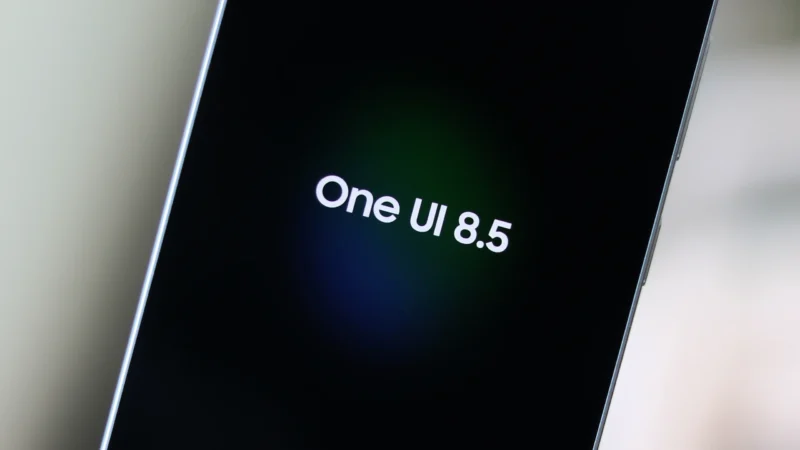
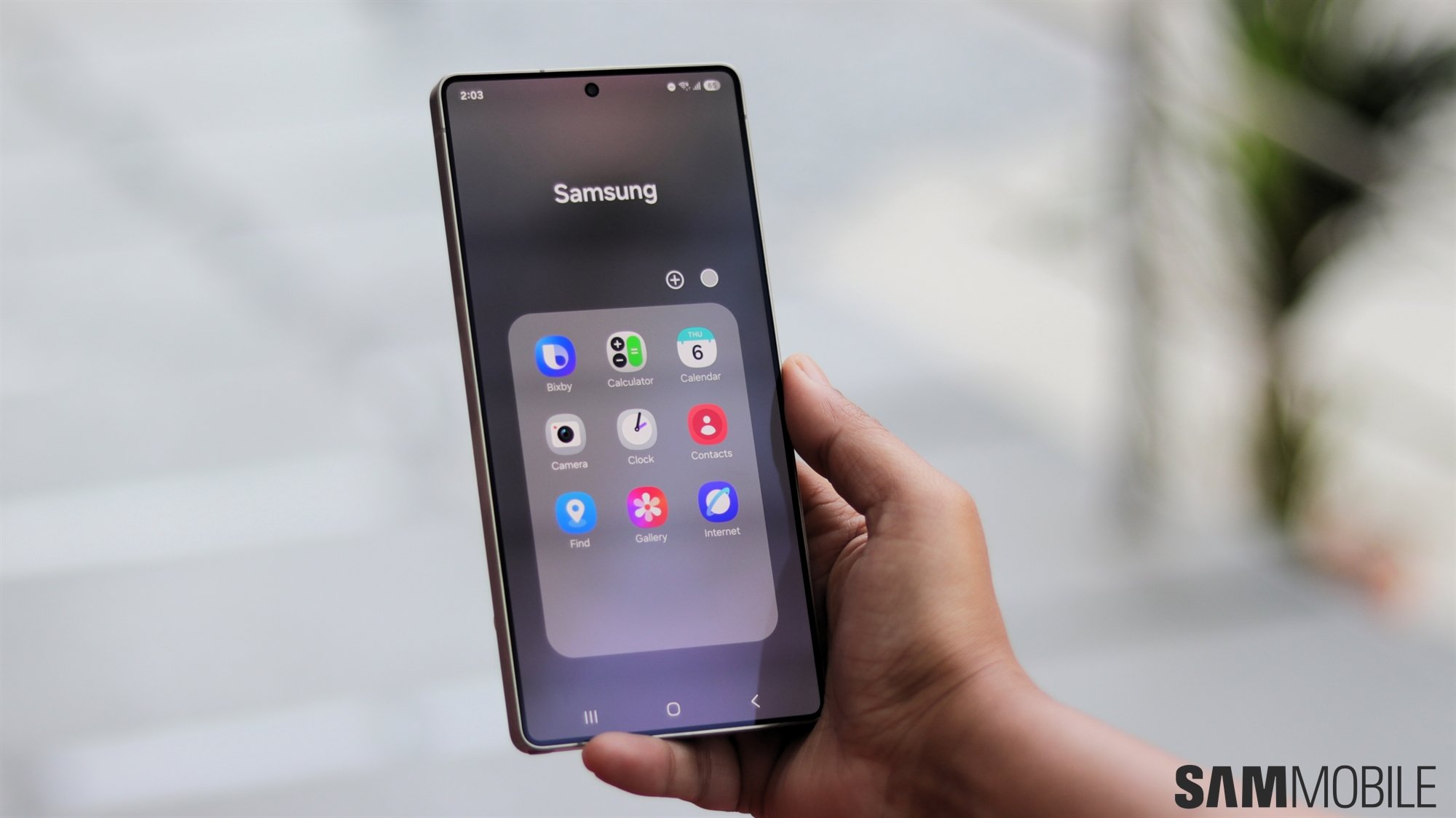
Both devices ship with One UI 8.5 based on Android 16 right out of the box. The updated software introduces several enhancements, including new features for the Now Bar such as Now Nudges, additional capabilities for Now Brief, and a more intelligent Bixby powered by Perplexity AI.

New features like the Smart Call Assistant for unsaved numbers, deeper Google Gemini integration, and improvements to Circle to Search further expand the AI-focused capabilities of the entire Galaxy S26 series.

Like the Ultra model, both the Galaxy S26 and Galaxy S26+ are guaranteed to receive seven years of Android updates and security patches. This long-term support significantly increases their longevity and makes them solid long-term investments.

Price and availability

The Galaxy S26 and Galaxy S26+ are available for pre-order starting today at 999 euros and 1,299 euros, respectively, or $899 and $1,099 US dollars depending on the region. Full pricing by variant can be found here.

Official sales begin on March 11. During the pre-order period, customers in select markets can benefit from promotions such as free storage upgrades, trade-in bonuses, and additional gifts. However, these offers vary depending on the country and local Samsung programs.