
HAPPY HOLIDAYS – SamMobile. Awesome deals Galaxy Z Fold7, Watch8, S25 Ultra and S95F OLED TV
Last updated: December 24th, 2025 at 17:30 UTC+01:00
SamMobile has affiliate and sponsored partnerships, we may earn a commission.
All that wobble isn't a small issue either.
Reading time: 3 minutes
Camera bumps have become one of those things people keep talking about around the holidays. Someone puts a new phone on the table, it starts rocking back and forth, and the comment comes out almost automatically: “Why does it stick out so much?”
A big reason for this is how thin phones have become. Manufacturers really want their phones to look slim, especially from the side. But camera hardware hasn’t shrunk at the same pace. So instead of making the phone slightly thicker, brands let the cameras stick out more. The phone looks sleek in ads and renders, but in real life, the big bump is hard to miss.
Battery size plays a role here too. A bigger battery usually means a thicker and heavier phone, and that’s something most brands are trying to avoid. Instead of balancing things out by adding a bit of thickness, companies keep the body thin and let the camera bump grow. The result is a phone that can feel unbalanced, especially without a case.
This problem is even more obvious on foldables. Samsung’s Galaxy Z Fold 7 is incredibly thin when unfolded, which is impressive from an engineering standpoint. But that extreme thinness makes the camera bump stand out even more. On a device this slim. The wobble on a table is harder to ignore as well.
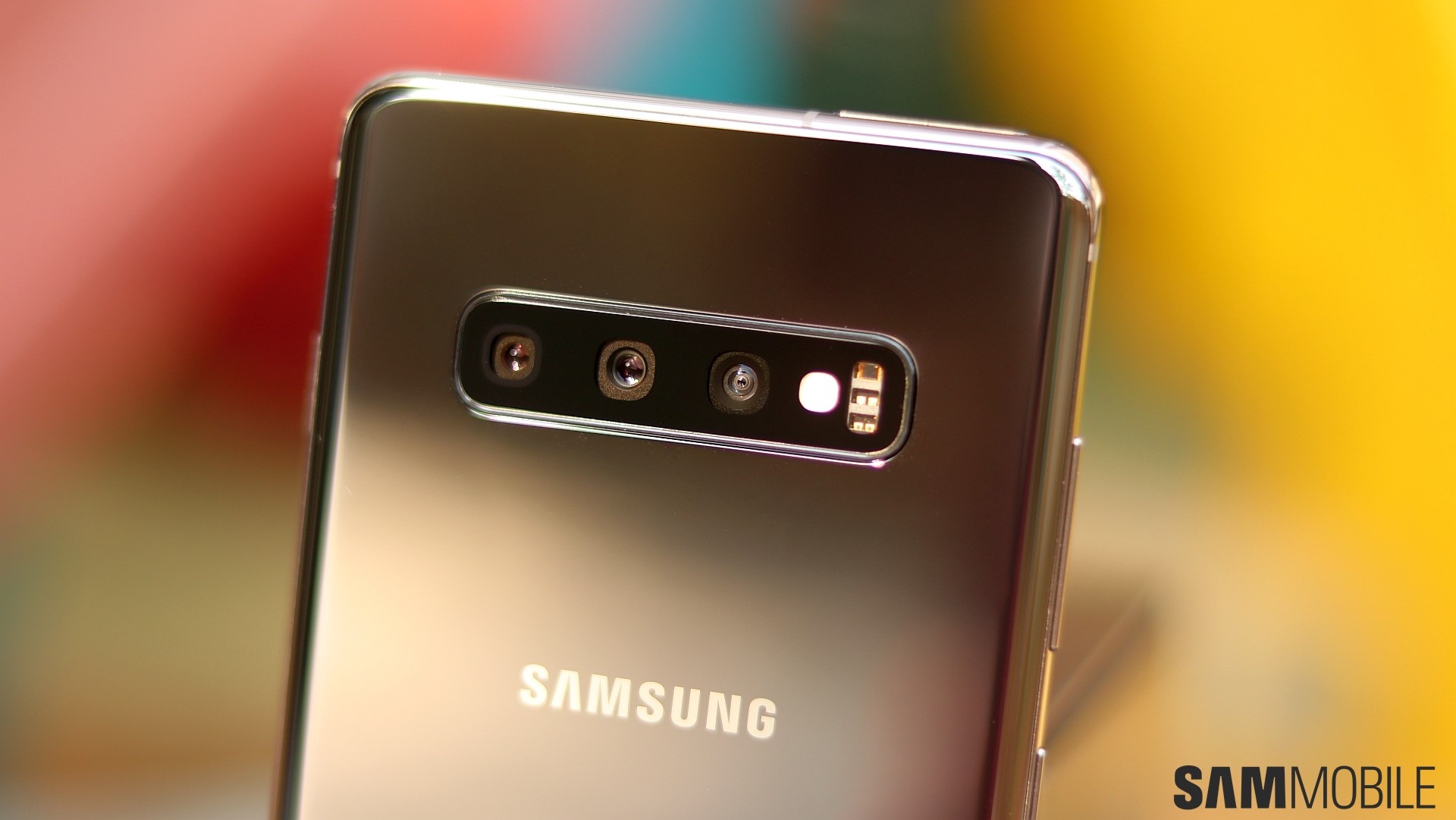
Samsung’s older Galaxy phones handled this better. Flagship phones up until the Galaxy S10 had a centered camera bump, which made the design look cleaner and more balanced. It also helped with stability.
Interestingly, some other manufacturers are now moving back to centered camera designs. These bumps may still be large, but they look more balanced and don’t wobble as much. Samsung, however, continues to stick with the side-mounted layout, even as camera modules keep getting bigger and phones get thinner.
Looking ahead, Samsung has a few options. Improvements in AI and image processing could reduce the need for large camera sensors, allowing future Galaxy phones to shrink their camera bumps without hurting image quality. That would be the best-case scenario.
The other option is to accept that better cameras need more space. If that’s the case, Samsung may need to stop chasing extreme thinness and allow phones to get slightly thicker again. Given how thin devices like the Galaxy Z Fold 7 already are, that might actually lead to a better overall design.