
Awesome deals Galaxy Z Fold7, Watch8, S25 Ultra and S95F OLED TV
Last updated: January 22nd, 2026 at 16:24 UTC+01:00
SamMobile has affiliate and sponsored partnerships, we may earn a commission.
Should Samsung follow Sony and leave 8K behind?
Reading time: 4 minutes
I’m old enough to remember the sudden rise and fall of 3D TVs. In 2026, you can’t find a 3D TV on the market even if you try. And after some recent news around Sony’s TV business, I’m starting to wonder if 8K TVs are headed for the same slow, quiet death under the weight of the 4K market.
In case you missed it, one of Samsung’s biggest TV rivals is having a rough time. Sony recently confirmed it’s stepping away from the 8K TV market altogether, while also resigning control over its Bravia TV lineup to TCL. The message is hard to ignore.
That leaves Samsung as one of the very few OEMs still selling 8K TVs. Even then, Samsung doesn’t seem particularly invested in pushing the category forward. So what’s actually going on here?
By now, I expected 8K TVs to be far more popular. It’s been two years since I last tackled the question of whether 8K TVs are worth it, and the answer hasn’t changed.
Short answer: no, 8K TVs still aren’t worth it unless you have a lot of money to burn.
In 2026, 8K TVs suffer from the same problems they did years ago. They’re expensive, and the extra pixels rarely matter because there’s almost nothing 8K-native to watch or play. The biggest shortcomings haven’t gone away:
Most major streaming platforms still don’t offer 8K content, and upscaling 4K to 8K rarely delivers a meaningful upgrade. The visual gain simply doesn’t justify the premium.
Gaming isn’t much better. Sony’s PlayStation 5 Pro can technically run a handful of 8K titles, but you can count them on your fingers. Gran Turismo 8, No Man’s Sky, and F1 24 are among the few examples, with barely any growth since 2024.
Think about that for a moment. Sony’s own console is one of the strongest sources of 8K content available today, and yet Sony itself decided that supporting 8K TVs in 2026 isn’t worth the effort.
That alone says a lot about how Sony’s TV division views the future of 8K, even as its gaming hardware inches forward to an 8K revolution.
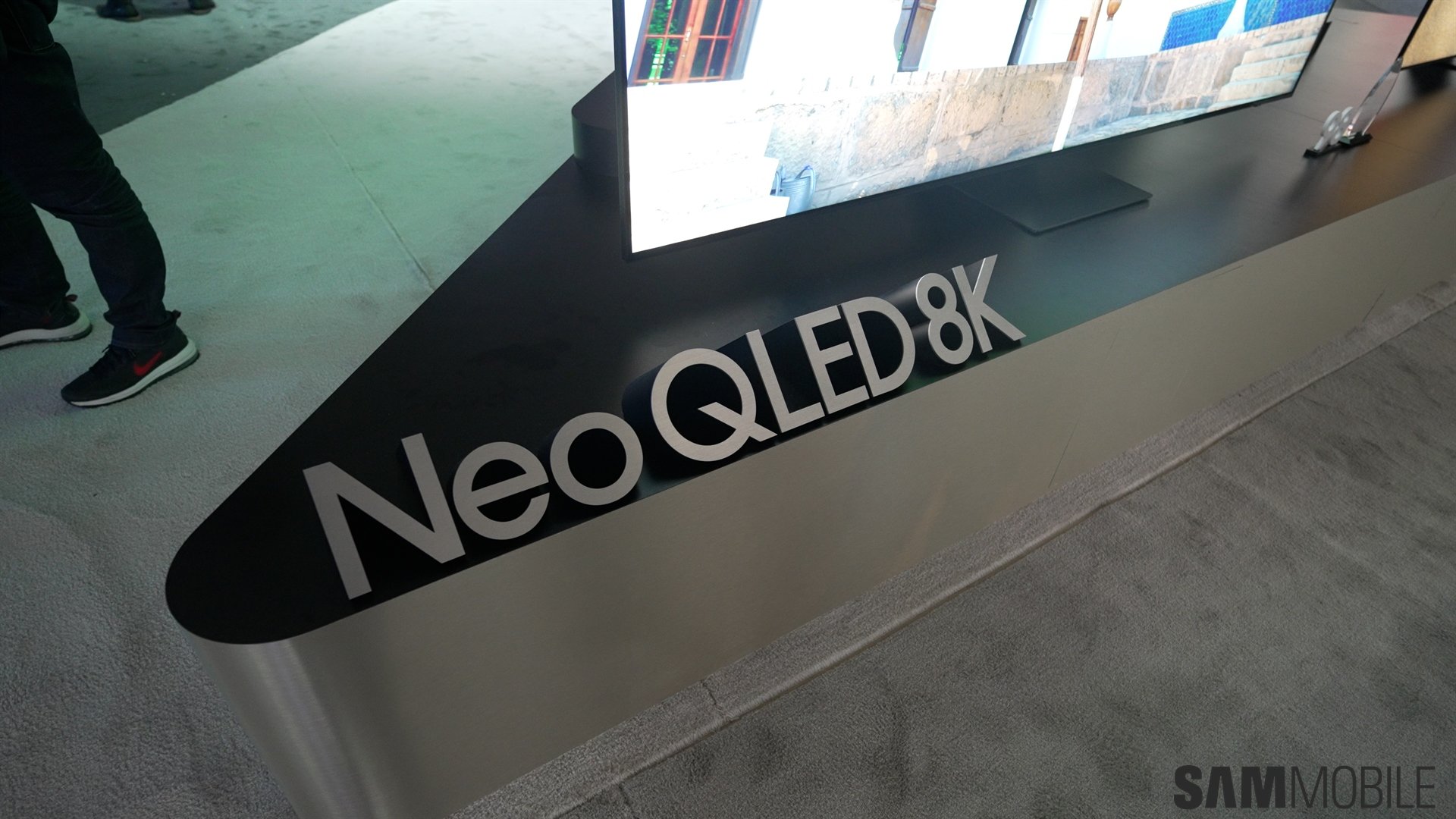
In 2026, Samsung sells just two 8K models: the Neo QLED Q900F starting at $3,099, and the Neo QLED QN990F starting at $5,299. Those prices make the decision easy for most buyers.
Unless money is no object and you simply want to sit at the cutting edge, I still can’t recommend buying an 8K TV in 2026. They remain poor value for the same reasons they always have.
As for the long-term future of 8K TVs, it’s hard not to see parallels with past failures. Like 3D TVs, the costs are high, the benefits are niche, and the content ecosystem never caught up with the hardware.
Should Samsung abandon 8K entirely? Probably not. The format still has a chance, even if progress has been far slower than expected.
For now, I think it makes sense for Samsung to remain one of the few brands offering an 8K option for buyers who want the best at any cost. Even if 8K TVs themselves aren’t worth it, their existence still helps Samsung project a high-end, future-facing brand image. That, alone, might be worth the trouble.