Last updated: April 9th, 2025 at 16:32 UTC+02:00
SamMobile has affiliate and sponsored partnerships, we may earn a commission.
Smartphone manufacturing isn't coming back to the US, at least not any time soon.
Reading time: 2 minutes
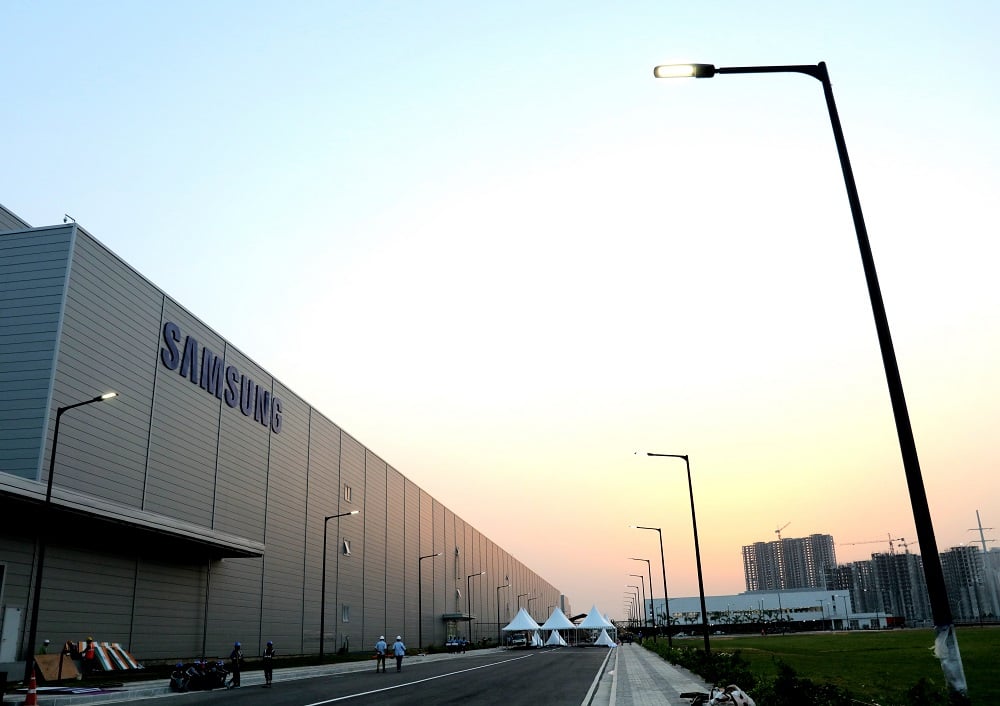
Samsung sells hundreds of millions of Galaxy smartphones in the United States. At least some of those customers might have wondered where Samsung phones are made, since phones are typically not made stateside anyway.
They would have found out that Samsung manufactures the bulk of its mobile devices in Vietnam which are then shipped to the US. The company also has a big manufacturing base in India but the US largely gets the stuff made in Vietnam. With the new tariffs in place today, not only could your next Galaxy phone be more expensive, it certainly won't be made in the US, rather, it would likely be made in India.
One of the justifications behind the sweeping tariffs was that it would encourage manufacturers to bring manufacturing back to the United States. Even if that ends up being the eventual outcome, it's not something that can happen overnight.
Samsung doesn't have a factory in the US that can manufacture the devices at the kind of scale and at the manufacturing cost it needs for the economics of the business to make sense. That's precisely why Apple doesn't have a factory in the US and outsources the bulk of its production to China.
Since Vietnam has been hit with a 46% tariff, Samsung is now reportedly considering shifting production of devices destined for the United States to India, which has a 26% tariff rate. Samsung has poured billions in its massive manufacturing hub in Noida, India, in recent years and latest handsets like the Galaxy S25 series and the foldable devices are already made there.
So there could still be a price hike, but at least not as much as it would have been on devices shipped from Vietnam.
It should be a relatively easy switch for the company, one that Apple is reportedly considering as well, since the 104% tariff rate on China is entirely not feasible, particularly when the US is one of Apple's biggest markets.

Adnan Farooqui is a long-term writer at SamMobile. Based in Pakistan, his interests include technology, finance, Swiss watches and Formula 1. His tendency to write long posts betrays his inclination to being a man of few words.