

Last updated: April 10th, 2026 at 15:15 UTC+02:00


Why does my phone screen look washed out at maximum brightness?

Daniel van Dorp

Reading time: 6 minutes

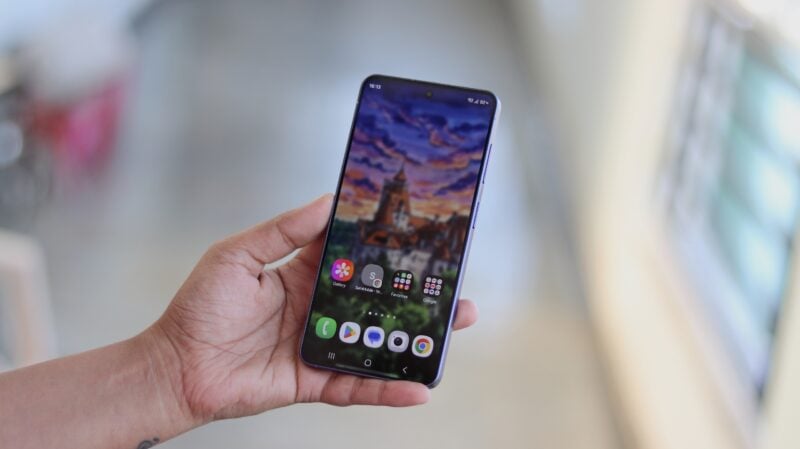
Have you ever cranked up your Samsung phone's brightness to the maximum, only to find that everything on the screen looks strangely pale and washed out? This frustrating experience happens more often than you might think, and it's not necessarily a sign that your phone is broken. Understanding why your screen brightness affects color appearance can help you get the best visual experience from your Samsung device.

Several factors work together to create that washed-out look when you push your screen brightness to its limits. From automatic display adjustments to the physical properties of your phone's screen technology, there are multiple reasons why maximum brightness doesn't always deliver the crisp, vibrant colors you expect.

What causes a phone screen to look washed out at high brightness?

High screen brightness can make colors appear washed out because your phone's display panel struggles to maintain color accuracy at maximum power levels. When you push brightness to 100%, the backlight becomes so intense that it overpowers the color filters in your screen, causing colors to lose their depth and saturation.

This happens because phone displays work by shining a bright white backlight through colored pixels. At moderate brightness levels, these colored pixels can effectively filter and control the light to create rich, accurate colors. However, when the backlight reaches maximum intensity, it becomes harder for the pixel layers to maintain proper color balance.

Samsung phones use different display technologies that handle high brightness differently. OLED screens, found in most Galaxy S and Galaxy Note devices, don't use a traditional backlight but can still experience color shifts at peak brightness due to how the organic compounds behave under stress. LCD screens in some budget Samsung models may show more pronounced washing out because their backlights can overpower the liquid crystal layers.

Heat also plays a role in this issue. When your phone runs at maximum brightness for extended periods, the display components warm up, which can affect how accurately they reproduce colors. This thermal effect compounds the brightness-related color washing, making the problem more noticeable during long usage sessions.

How does adaptive brightness affect screen appearance?

Adaptive brightness automatically adjusts your screen's brightness based on ambient light conditions, and this feature can sometimes create the appearance of washed-out colors when it pushes brightness higher than optimal levels. Your Samsung phone uses sensors to detect surrounding light and compensates by increasing screen brightness, which can inadvertently trigger color-washing effects.

The adaptive brightness algorithm doesn't just consider the amount of light around you but also tries to maintain visibility and comfort. In very bright environments, like direct sunlight, your phone may boost brightness beyond what's ideal for color accuracy to ensure you can still see the screen content clearly.

This automatic adjustment can catch you off guard because the brightness change happens gradually. You might not notice your phone slowly ramping up the brightness until you suddenly realize everything looks pale and washed out. The transition is designed to be smooth and unobtrusive, but the end result can compromise your visual experience.

Additionally, adaptive brightness learns from your manual adjustments over time. If you frequently override the automatic settings by manually increasing brightness in certain lighting conditions, your phone may start defaulting to those higher levels, potentially causing more frequent color-washing issues.

What display settings can fix a washed-out screen?

You can fix a washed-out screen by adjusting your Samsung phone's display mode, reducing brightness slightly from the maximum, and fine-tuning color settings in your phone's display preferences. Start by opening Settings, then tapping Display, and looking for Screen mode or Display mode options.

Samsung phones typically offer several display modes, including Adaptive, AMOLED Cinema, AMOLED Photo, and Basic. Adaptive mode automatically adjusts color temperature and saturation based on content, while AMOLED Cinema provides more accurate colors for video content. Try switching between these modes to find one that maintains color richness even at higher brightness levels.

Color temperature settings can also make a significant difference. Look for options like “Blue light filter” or “Eye comfort shield” in your display settings. While these features are designed to reduce eye strain, adjusting their intensity can help restore color balance when your screen appears washed out.

Consider reducing your maximum brightness by 10% to 20% from the absolute peak. This small adjustment often eliminates the washed-out appearance while maintaining excellent visibility. You can also disable adaptive brightness temporarily to maintain consistent color appearance, though you'll need to manually adjust brightness as lighting conditions change.

Some Samsung phones include advanced color adjustment options under Accessibility settings. These tools let you fine-tune individual color channels, which can help compensate for any color-washing effects you experience at higher brightness levels.

Should you always use maximum brightness on your Samsung phone?

You should not always use maximum brightness on your Samsung phone because it reduces color accuracy, drains battery life rapidly, and can cause unnecessary eye strain in most viewing conditions. Reserve maximum brightness for outdoor use in direct sunlight, when visibility is more important than perfect color reproduction.

Maximum brightness serves a specific purpose: ensuring your screen remains visible in challenging lighting conditions. However, using it constantly provides no benefit and creates several drawbacks. Beyond the color-washing issue, running your screen at full brightness can reduce your battery life by 30% to 50% compared to moderate brightness levels.

Your eyes also adapt to different brightness levels throughout the day. Using maximum brightness indoors or in low-light conditions can cause discomfort and make it harder for your eyes to adjust when you look away from your phone. A brightness level around 50% to 70% typically provides excellent visibility while maintaining good color accuracy for most indoor and outdoor situations.

The automatic brightness feature on Samsung phones generally does a good job of finding the right balance between visibility and color quality. Trust this system for day-to-day use, and only override it when you encounter specific situations where the automatic adjustment doesn't meet your needs.

Understanding how your Samsung phone's display works helps you make better decisions about brightness settings and get the most out of your device's screen. At SamMobile, we regularly test display performance across Samsung's entire lineup to help you optimize your viewing experience and make informed decisions about your next Samsung device.

Related Articles