

Last updated: April 10th, 2026 at 15:30 UTC+02:00


What is the difference between front and rear camera resolution?

Daniel van Dorp

Reading time: 5 minutes

When you're shopping for a new Samsung phone or trying to better understand your current device, you've probably noticed that camera specifications list different resolutions for the front and rear cameras. The rear camera usually boasts impressive numbers like 50MP or 108MP, while the front camera might be listed at 12MP or 32MP. This difference isn't just a random design choice, and understanding why it exists can help you make better decisions about which Samsung phone fits your needs.

Camera resolution affects how your photos look, but it's not the only factor that determines photo quality. Let's break down what these numbers actually mean for your everyday photography and which camera you should use in different situations.

What Does Camera Resolution Actually Mean on Your Samsung Phone?

Camera resolution refers to the number of pixels your phone's camera sensor can capture, typically measured in megapixels (MP). One megapixel equals one million pixels, so a 50MP camera captures 50 million individual pixels to create your photo. Higher resolution means more pixels, which translates to larger file sizes and the ability to crop photos while maintaining detail.

Think of pixels as tiny dots of color that combine to form your complete image. When you have more pixels packed into your photo, you get finer detail and the flexibility to zoom in on specific areas without the image becoming blurry or pixelated. This is particularly useful when you want to crop a photo later or print it at larger sizes.

However, more megapixels don't automatically guarantee better photos. The size of individual pixels, the quality of the camera sensor, and Samsung's image-processing software all play important roles in determining how good your final photo looks. A well-designed 12MP camera can often produce better results than a poorly implemented 48MP camera.

Why Is the Rear Camera Resolution Always Higher Than the Front Camera?

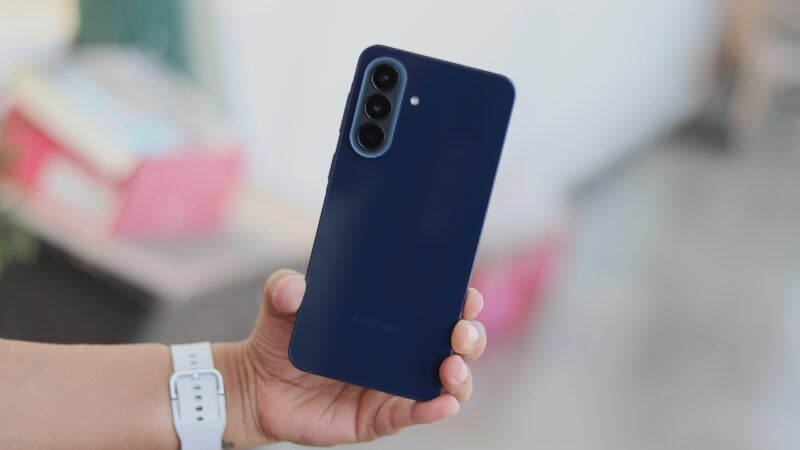
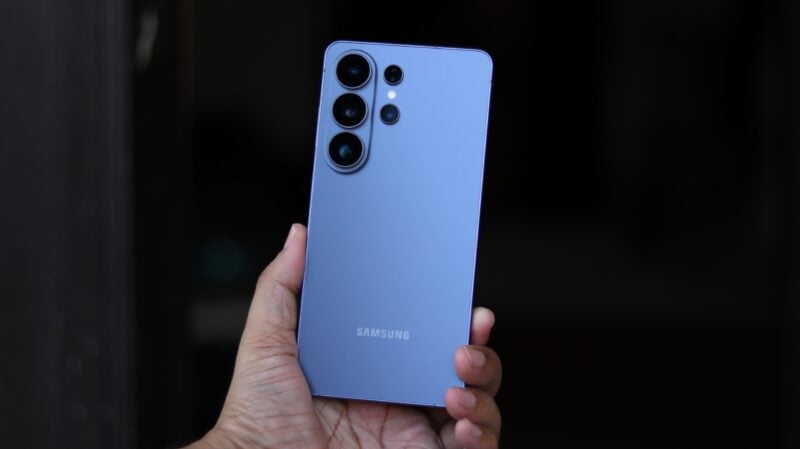
Rear cameras have higher resolution because they're designed to be your primary photography tool for capturing detailed photos of the world around you. Samsung prioritizes the rear camera system since most people use it for important photos like family gatherings, vacations, and special moments they want to preserve with maximum detail.

The front camera, primarily used for selfies and video calls, doesn't need the same level of detail. Most selfies are shared on social media platforms that compress images anyway, making extremely high resolution less important. Additionally, front cameras need to fit into the smaller space at the top of your phone's display, which creates physical constraints on sensor size.

Samsung also considers battery life and processing power when designing camera systems. Higher-resolution sensors require more computational power to process images and more storage space to save them. Since you typically take more selfies than detailed landscape photos, keeping the front camera resolution moderate helps maintain good performance and battery life.

How Much Does Camera Resolution Actually Affect Photo Quality?

Camera resolution has a noticeable impact on photo quality, but it works alongside other factors like lens quality, sensor size, and image processing. Higher resolution gives you more flexibility to crop photos and maintain detail when you zoom in, but it won't fix issues like poor lighting or camera shake.

For everyday photography, the difference between a 12MP and a 50MP photo might not be immediately obvious when viewing images on your phone screen. You'll notice the resolution difference more when you crop photos significantly, print them in large formats, or view them on bigger screens like your computer monitor or TV.

Samsung's newer phones often use a technique called pixel binning, where multiple pixels work together to create better low-light performance. Your 50MP camera might combine four pixels into one to create a 12.5MP image with better brightness and less noise in dim conditions. This means you're not always using the full resolution, but you get better overall image quality.

Which Samsung Camera Should You Use for Different Types of Photos?

Use your rear camera for landscape photos, group shots, detailed close-ups, and any situation where image quality is your top priority. The higher resolution and better lens system make it ideal for photos you plan to keep, share widely, or potentially print. The rear camera also performs significantly better in low-light situations.

Your front camera works best for selfies, video calls, and quick social media posts. While the resolution is lower, Samsung optimizes front cameras for flattering selfie results with features like beauty modes and portrait effects. The front camera is also more convenient when you need to frame yourself in the shot.

For video recording, both cameras can typically shoot at similar quality levels, but the rear camera usually offers more advanced features like better stabilization and multiple lens options on phones with camera systems that include ultra-wide or telephoto lenses.

Understanding these camera differences helps you make the most of your Samsung device and choose the right tool for each photography situation. At SamMobile, we regularly test Samsung cameras across different models to help you understand which phones offer the best camera performance for your specific needs and budget.

Related Articles