Last updated: February 13th, 2026 at 12:47 UTC+01:00
SamMobile has affiliate and sponsored partnerships, we may earn a commission.
Reading time: 6 minutes
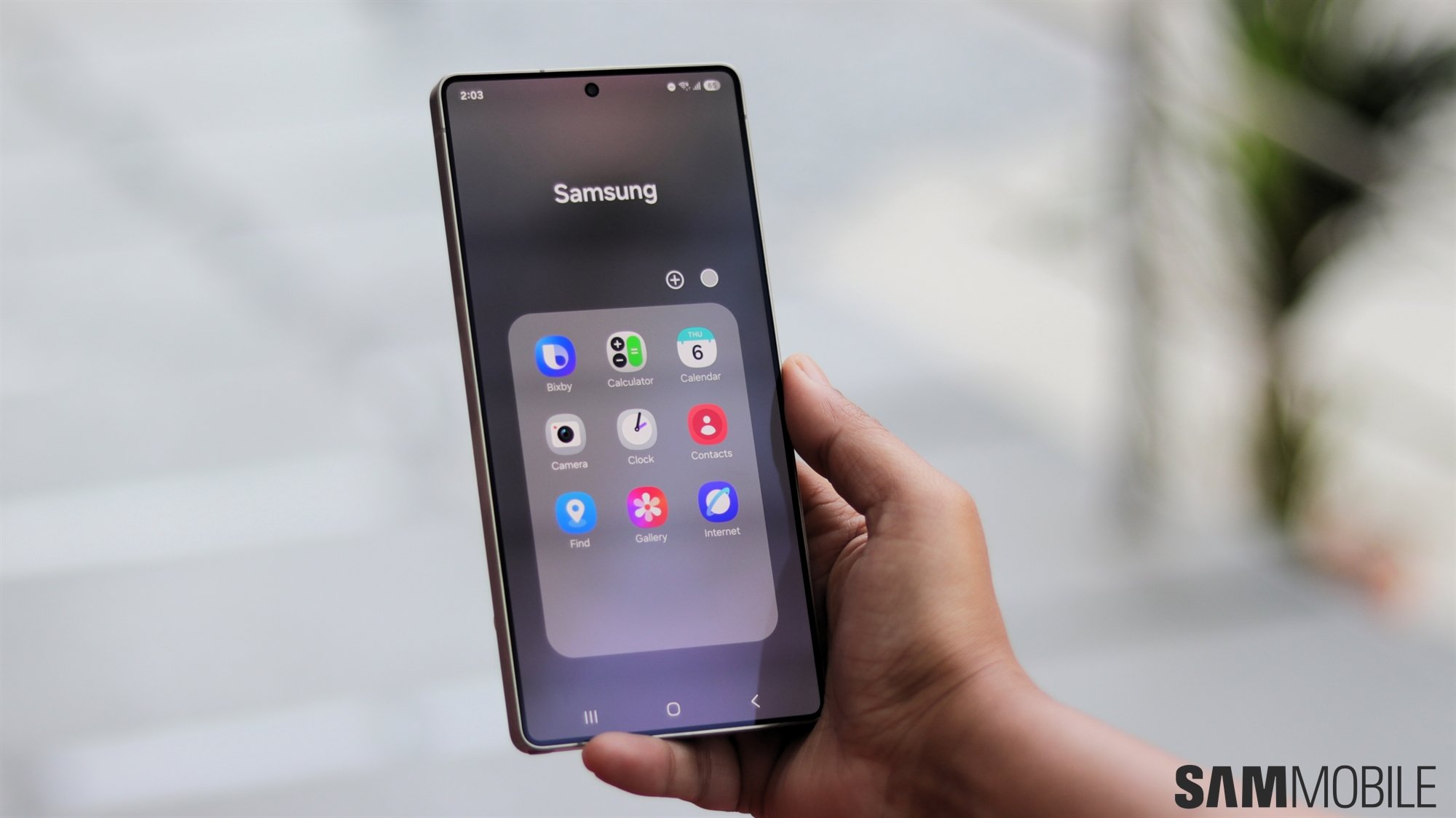
The app drawer is Android's central hub that stores all your installed applications in one organised location. Unlike iPhones, which display every app on home screens, Android separates your complete app inventory into this dedicated space, giving you cleaner home screens and better mobile app organisation. This design lets you choose which apps appear as shortcuts while keeping everything accessible through the Android app drawer.
The app drawer serves as Android's comprehensive storage system for all installed applications on your phone. It's a separate interface that houses every app you've downloaded or that comes pre-installed, distinct from your home screen shortcuts.
Android phones use this design because it offers superior app management compared to other mobile operating systems. While iOS displays all apps directly on home screens, creating multiple pages of icons, Android's approach keeps your home screens clean and customisable. You can choose exactly which apps deserve prominent placement as shortcuts while keeping the rest organised in the app drawer.
This system provides several practical benefits:
Most Android devices open the app drawer through an upward swipe gesture from the bottom of your home screen. This universal method works across Samsung Galaxy phones, Google Pixel devices, and most other Android phones running modern versions of the operating system.
| Method | Description | Compatible Devices |
|---|---|---|
| Upward swipe | Swipe up from bottom of home screen | Most modern Android phones |
| App drawer button | Tap grid of dots/squares in dock | Older Android versions, some custom UIs |
| Both options | Choose preferred method in settings | Samsung One UI, other custom interfaces |
Once inside the app drawer, you can:
Your home screen displays selected app shortcuts, widgets, and wallpapers that you've chosen for quick access and personalisation. The app drawer contains your complete inventory of installed applications, whether or not they appear on your home screen.
| Feature | Home Screen | App Drawer |
|---|---|---|
| Content | Selected shortcuts, widgets, wallpapers | All installed applications |
| Purpose | Quick access to favourite apps | Comprehensive app storage |
| Customisation | Full control over appearance and arrangement | Systematic organisation options |
| Function | Front desk – immediate visibility | Filing cabinet – complete inventory |
Think of your home screen as your phone's front desk: it shows only what you want visitors (and yourself) to see immediately. Your most frequently used apps, useful widgets like weather or calendar, and your chosen aesthetic elements live here. You have complete control over what appears and how it's arranged.
The Android app drawer functions more like a comprehensive filing cabinet. Every single app you install automatically appears here, organised systematically. You can access any application regardless of whether you've added its shortcut to your home screen. This separation means you can keep a minimalist home screen while still having instant access to all your mobile apps through the drawer.
Most Android launchers automatically organise app drawer contents alphabetically, but you can customise this arrangement based on your preferences.
Many Android interfaces let you hide apps you rarely use but can't uninstall, such as manufacturer bloatware. Samsung's One UI, for example, allows you to disable apps from appearing in the drawer while keeping them installed. You can also use the search function to quickly locate specific apps rather than scrolling through your entire collection.
Third-party launchers like Nova Launcher or Action Launcher offer advanced customisation options, including custom categories, different visual themes, and gesture-based navigation for enhanced app management efficiency.
Missing apps in your app drawer typically result from hidden apps, disabled applications, or apps installed in separate user profiles like work folders or secure spaces. System apps that run in the background may also not display in the standard app drawer interface.
| Issue | Cause | Solution |
|---|---|---|
| Hidden apps | Apps manually hidden from drawer | Check launcher settings for hidden app list |
| Disabled apps | Apps turned off in system settings | Settings > Apps > Show disabled apps |
| Work profile apps | Apps in separate work space | Access work profile or secure folder |
| System services | Apps running without visible icons | Check Settings > Apps for complete list |
Check your phone's settings for hidden or disabled apps. On Samsung devices, go to Settings > Apps, then tap the three-dot menu to show disabled applications. You can re-enable apps from this menu to make them appear in your app drawer again.
Work profiles, secure folders, and guest accounts create separate app spaces that don't show in your main app drawer. If you've installed apps while in work mode or added them to Samsung's Secure Folder, you'll need to access those specific areas to find them.
Some apps also install as system services without traditional app drawer icons. Banking security apps, accessibility services, and certain system utilities may run without visible shortcuts. Check your phone's app list in Settings > Apps to see all installed software, including those without app drawer presence.
Understanding your Android app drawer transforms how you interact with your phone daily. This central app management system gives you the flexibility to maintain clean, personalised home screens while keeping all your mobile apps easily accessible. Whether you prefer minimal organisation or detailed customisation, mastering your app drawer helps you navigate your Android interface more efficiently. We hope this guide helps you make the most of your Android phone's app organisation capabilities.

Daniel is the proud co-founder of SamMobile. He joined the SamMobile team in 2011. Most of his spare time is spent enjoying nature (and life in general) with his wife & dog, friends, and family.