
Cyber week deals! Galaxy Watch8 Classic, Fold 7, S25 Ultra. Follow us on YouTube, TikTok, or LinkedIn
Last updated: November 10th, 2025 at 13:40 UTC+01:00
SamMobile has affiliate and sponsored partnerships, we may earn a commission.
Reading time: 6 minutes
NFC on phones stands for near field communication, a wireless technology that lets your device exchange data with other compatible devices or payment terminals when they're very close together (usually within a few centimetres). You'll find NFC technology in most modern smartphones, where it powers contactless payments, quick device pairing, and information sharing. The feature works through a small chip in your phone that creates a short-range radio connection when brought near another NFC-enabled device or tag.
NFC is a short-range wireless technology that allows two devices to communicate when they're placed close together, typically within 4 centimetres or less. Your phone contains a tiny NFC chip that can both send and receive data through radio waves at a specific frequency. When you tap your phone against another NFC device, the chips create a connection that lasts just long enough to exchange information.
The technology works similarly to Bluetooth but with important differences:
Phone manufacturers include NFC features because they enable practical functions that people use daily. The technology has become standard in modern smartphones, particularly Android devices and iPhones from the iPhone 6 onwards.
On Android phones, you'll find the NFC setting in your phone's Settings menu under “Connections” or “Connected devices”. The process is simple:
Some Android phones also let you enable NFC quickly from the quick settings panel by swiping down from the top of your screen.
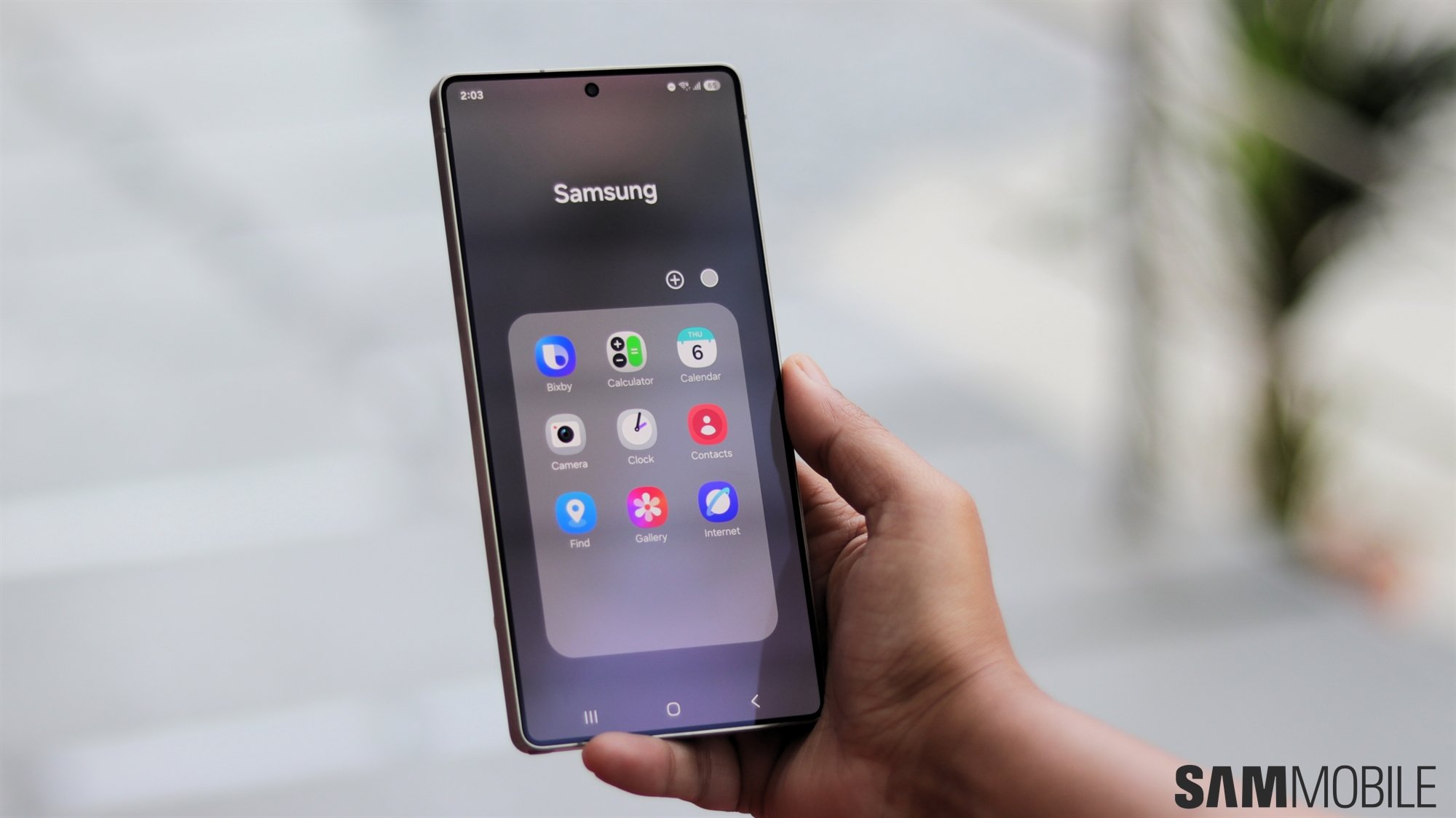
For Samsung devices specifically, go to Settings, tap “Connections”, and you'll see “NFC and contactless payments” near the top of the list. Toggle the switch to turn it on. When NFC is active, you'll typically see a small NFC icon in your status bar, though this varies by device and Android version.
The process is straightforward and takes just a few seconds. Once enabled, NFC stays active in the background until you manually turn it off. You don't need to open any apps or do anything else to make it work when you need it.
NFC enables a range of practical features that simplify daily tasks:
Contactless payments: The most common use for NFC on phones. You can pay at checkout terminals by tapping your phone instead of using a physical card. This works with payment apps like Samsung Pay, Google Pay, and Apple Pay, making shopping faster and more convenient.
Quick device pairing: NFC helps you pair Bluetooth devices quickly. Many wireless headphones, speakers, and other accessories include NFC tags that let you connect simply by tapping your phone against them. This eliminates the usual Bluetooth pairing process.
File and information sharing: You can use NFC to share files, photos, and contacts between phones. Android devices support a feature called Android Beam (on older versions) or nearby sharing that uses NFC to initiate transfers.
Smart home automation: Some people use NFC tags around their home or office to trigger specific actions, like changing phone settings when you tap a tag on your bedside table.
Information access: Smart posters and information tags in museums, shops, or public transport stations often contain NFC chips. Tap your phone against these to access websites, download apps, or get additional information without typing anything.
To use NFC for contactless payments, follow these steps:
You don't usually need to open the payment app. The payment processes in seconds, and you'll feel a vibration or see a confirmation on screen.
The security features built into mobile payments actually make them safer than physical cards. Your actual card number isn't transmitted during the transaction. Instead, the system uses a one-time token that's useless if intercepted. Your card details remain encrypted on your phone and are never shared with merchants.
If payments aren't working, check that:
NFC is safe to use because it only works over very short distances, typically 4 centimetres or less. Someone would need to be extremely close to your phone to attempt any interaction, making accidental or malicious data access highly unlikely. The technology also uses encryption for sensitive transactions like payments, adding another layer of protection.
The short range is actually a security feature rather than a limitation. Unlike Bluetooth or Wi-Fi, which work over several metres, NFC requires physical proximity that you'll notice. You're in control of when connections happen because you decide when to bring your phone close to another device or tag.
Battery drain from NFC is minimal, often so small you won't notice any difference in your phone's battery life. The chip uses power only during the brief moments when it's actively communicating, which typically lasts less than a second. Leaving NFC turned on all day has negligible impact on battery performance.
You can safely leave NFC enabled without worrying about security or battery concerns. However, if you never use the feature, turning it off is perfectly fine and might give you a tiny bit of extra peace of mind, even though the actual risk is extremely low.
Understanding NFC technology helps you make the most of your smartphone's capabilities. Whether you're making contactless payments, connecting accessories, or interacting with smart tags, NFC features make daily tasks quicker and simpler. We cover the latest developments in smartphone technology and help you get more from your devices, so you're always informed about the features that matter most to you.