
Last updated: November 10th, 2025 at 13:53 UTC+01:00


What are the basics of phone voice assistants?

Daniel van Dorp

Reading time: 5 minutes

Phone voice assistants are AI-powered software programmes that respond to your spoken commands, helping you control your smartphone hands-free. They use voice recognition and natural language processing to understand what you're saying, then execute tasks like sending messages, setting reminders, or searching the web. Most modern smartphones come with at least one voice assistant built in, making everyday tasks quicker and more convenient.

What exactly is a phone voice assistant?

A phone voice assistant is software that listens to your voice commands and carries out tasks on your smartphone without you needing to touch the screen. These AI-powered programmes combine voice recognition technology with natural language processing to understand what you want and then interact with your phone's features and apps to make it happen.

Voice assistants integrate deeply with your smartphone's operating system. They can access your contacts, calendar, messages, and various apps to complete tasks you request. When you ask your voice assistant to call someone or check the weather, it processes your request and triggers the appropriate functions within your phone.

The core functionality relies on three main components:

  • Listening for your voice
  • Understanding what you mean
  • Executing the right action

This hands-free approach makes your phone more accessible whilst driving, cooking, or whenever your hands are busy with something else.

How do voice assistants actually understand what you're saying?

Voice assistants convert your speech into text, analyse what you mean, and determine the best response or action. This process happens in milliseconds, though most of the heavy processing occurs on remote servers rather than on your phone itself.

When you speak to your voice assistant, your phone records the audio and sends it to cloud servers where powerful computers process the speech using machine learning algorithms. These systems have been trained on millions of voice samples to recognise words, accents, and speech patterns. They convert the audio into text, then analyse the meaning behind your words to understand your intent.

This is why an internet connection matters for most voice assistant features. Without connectivity, the assistant can only perform basic offline tasks. The cloud-based approach also explains how voice assistants improve over time. As more people use them, the machine learning models become better at understanding different accents, phrases, and contexts.

What can you actually do with a voice assistant on your phone?

Voice assistants handle a wide range of practical tasks that make daily phone use more efficient. Common tasks include:

  • Making calls and sending text messages
  • Setting alarms and reminders
  • Checking weather forecasts
  • Playing music
  • Getting directions
  • Searching the web

Beyond these basics, voice assistants control smart home devices connected to your phone. You can adjust your thermostat, turn lights on or off, or lock doors without touching anything. They also work with many third-party apps, letting you order food, book rides, or check your calendar through simple spoken requests.

The most useful commands are often the simplest ones you use regularly. Asking your assistant to “call Mum” whilst driving or “set a timer for 10 minutes” whilst cooking saves time and keeps you focused on what you're doing. App integration means you can control music playback, navigate to addresses, or add items to shopping lists without interrupting other tasks.

What's the difference between Bixby, Google Assistant, and other voice assistants?

The main voice assistants available on smartphones each have distinct strengths:

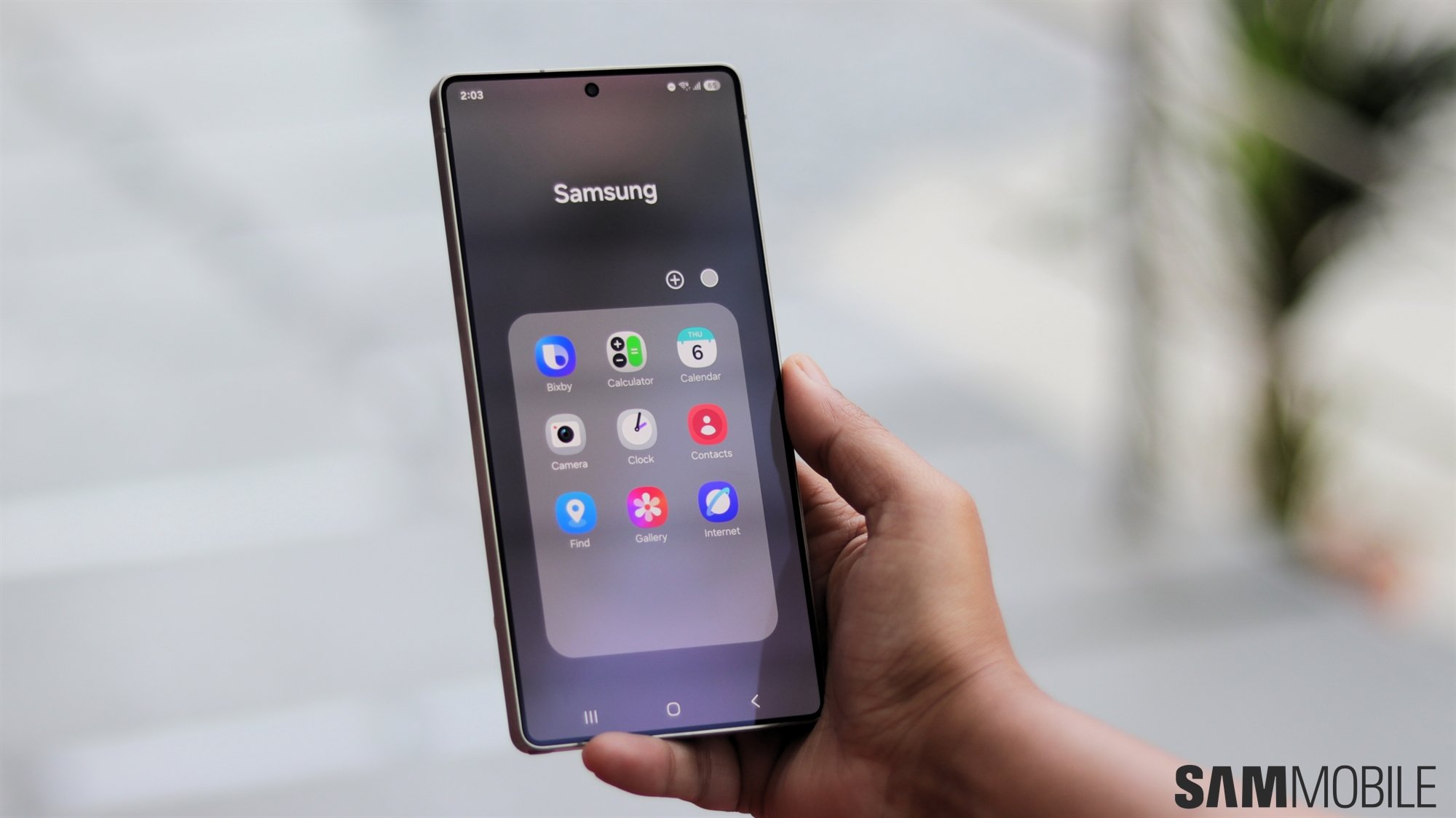
  • Bixby – Samsung's voice assistant, designed specifically for deep integration with Samsung devices and their features
  • Google Assistant – Works across Android phones and offers strong web search capabilities and broad third-party app support
  • Siri – Apple's assistant that serves iPhone users
  • Alexa – Amazon's assistant that appears on some Android phones

Bixby excels at controlling Samsung device settings and features that other assistants can't access as easily. You can use Bixby voice commands to adjust display settings, change system preferences, or control specific Samsung app functions. Google Assistant typically performs better for web searches, general knowledge questions, and works with more smart home devices.

Language support varies between assistants. Google Assistant supports the most languages and regional accents, whilst Bixby focuses on languages in Samsung's primary markets. Your choice depends on your priorities: if you use many Samsung devices and want deep system control, Bixby makes sense. For broader compatibility and stronger search capabilities, Google Assistant often works better.

How do you set up and start using a voice assistant?

Most voice assistants come pre-installed on your phone and need minimal setup. The basic setup process involves:

  1. Opening the assistant app
  2. Agreeing to permissions
  3. Optionally training it to recognise your voice

This voice training helps the assistant respond specifically to you and ignore others.

Setting up wake words or activation methods comes next. You can usually activate voice assistants by saying a specific phrase like “Hey Google” or “Hi Bixby”, pressing a button, or using a gesture. Grant the necessary permissions for contacts, location, and microphone access so the assistant can perform tasks properly.

Improving accuracy happens through regular use. The assistant learns your voice patterns and preferences over time. You can customise settings like preferred music services, navigation apps, or smart home device connections. If the assistant isn't responding well, check your microphone isn't blocked, speak clearly, and ensure you have a stable internet connection for cloud-based processing.

Understanding phone voice assistants helps you make better use of your smartphone's capabilities. These tools handle everyday tasks through simple voice commands, saving time and making your device more accessible. Whether you're using Bixby on your Samsung phone or another assistant, the basics remain similar: speak naturally, give clear commands, and let the technology work for you. We cover the latest developments in smartphone voice control and virtual assistant features, helping you stay informed about what's possible with your device.