
Cyber week deals! Galaxy Watch8 Classic, Fold 7, S25 Ultra. Follow us on YouTube, TikTok, or LinkedIn
Last updated: February 28th, 2024 at 05:42 UTC+01:00
SamMobile has affiliate and sponsored partnerships, we may earn a commission.
Reading time: 2 minutes
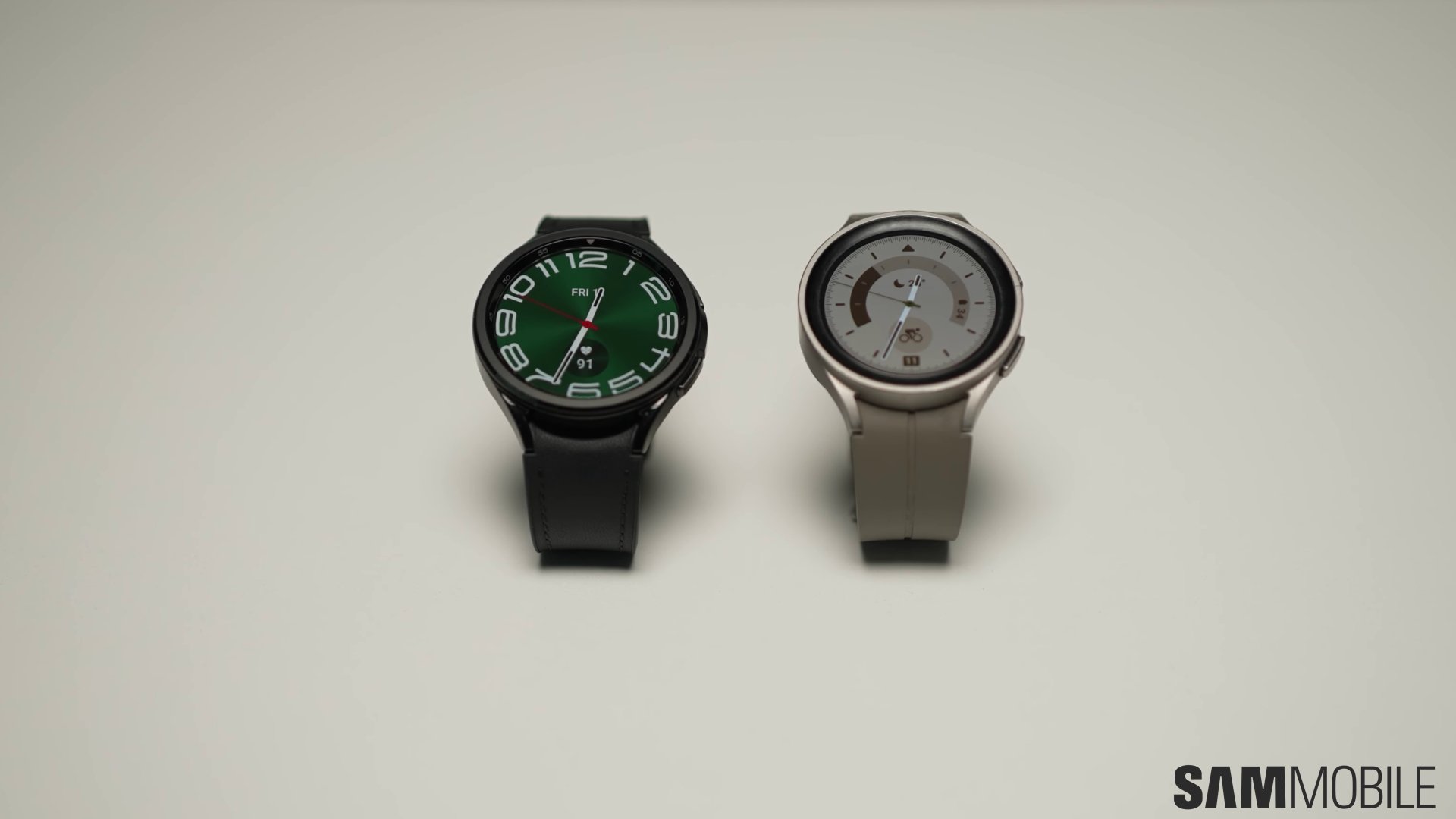
As more third-party watch faces switch to the new format, they will become more efficient.
The Watch Face Format introduced with Wear OS 4 is declarative XML, meaning it doesn't have logic and executable code. Wear OS takes care of all the processing, and developers can focus on creating beautiful-looking and interesting watch faces rather than spending their time on code optimizations and power consumption improvements. Google says the new Watch Face Format requires less maintenance and fewer updates. The company is pushing for simpler watch faces that consume less space and less power.
Moreover, Google has informed developers that compatibility with upcoming watch face complications (with future Wear OS versions) will require them to use the new format. So, newer versions of Wear OS won't display complications in watch faces created using older methods like Jetpack Watch Face Library or Wearable Support Library.
Watch faces created using WFF can also be rendered using the co-processor rather than the main processor on a smartwatch. It means less power is used to display those watch faces than those created using Jetpack Watch Face libraries. Developers say that the WFF doesn't support more advanced features, but it is only a year old at this point, and it is possible that Google will add more capabilities to it in the future.
Asif is a computer engineer turned technology journalist. He has been using Samsung phones since 2004, and his current smartphone is the Galaxy S21 Ultra. He loves headphones, mechanical keyboards, and PC hardware. When not writing about technology, he likes watching crime and science fiction movies and TV shows.