

Last updated: April 21st, 2026 at 15:46 UTC+02:00
SamMobile has affiliate and sponsored partnerships, we may earn a commission.
Samsung needed that competition to become what it is today.
Reading time: 4 minutes
Abhijeet Mishra / SamMobile
It's an end of an era at Apple. The company announced yesterday that Tim Cook will be stepping down as the company's CEO effective September 1, 2026. He will be replaced by Apple's current SVP of Hardware Engineering John Ternus.
Cook isn't riding off into the sunset, he will become the executive chairman of Apple's board of directors. His future role will focus more on engaging with policymakers across the globe, though, while the day-to-day and major decisions will be made by the new CEO.
Tim Cook has served as the company's CEO for more than 15 years. He took over as CEO after Apple's co-founder Steve Jobs passed away. To say that he had big shoes to fill would be an understatement.
Yet, over the past decade and a half, Cook established himself as an operator of the highest order, steering the company through some of the biggest technological shifts in the industry across the hardware, software, and services businesses.
He took the helm at Apple around the same time as Samsung began to emerge as a serious contender in the mobile space. The Korean giant was actively pushing the envelope on several new technologies, shedding prior labels to become a market leader in this own right.
Cook may not have made Apple the first-mover in many segments, leaving Samsung to claim those rights, but what he actually built was a standard. What Cook ensured that when the competing product from Apple arrived, it blended seamlessly with the entire ecosystem. He would perhaps be best known for this relentless insistence on integration over innovation, and on polish over speed.
The gravity of this was not lost on Samsung. The seamlessness of Apple's ecosystem, how everything from its iPhone to Mac, Apple Watch to iPad, worked together as a single organism rather than separate products. The role this played in shaping Samsung's vision for the future of its own ecosystem can't be understated.
Samsung brought in TM Roh, another excellent operator, as the head of its mobile division to come up with a response to what Apple built. The seamlessness of the Samsung ecosystem that you see now, that connects its mobile devices, TVs, monitors, home appliances, smart home products, and more, is a result of that shift in its strategic direction that Samsung realized was necessary to compete more effectively with Apple.
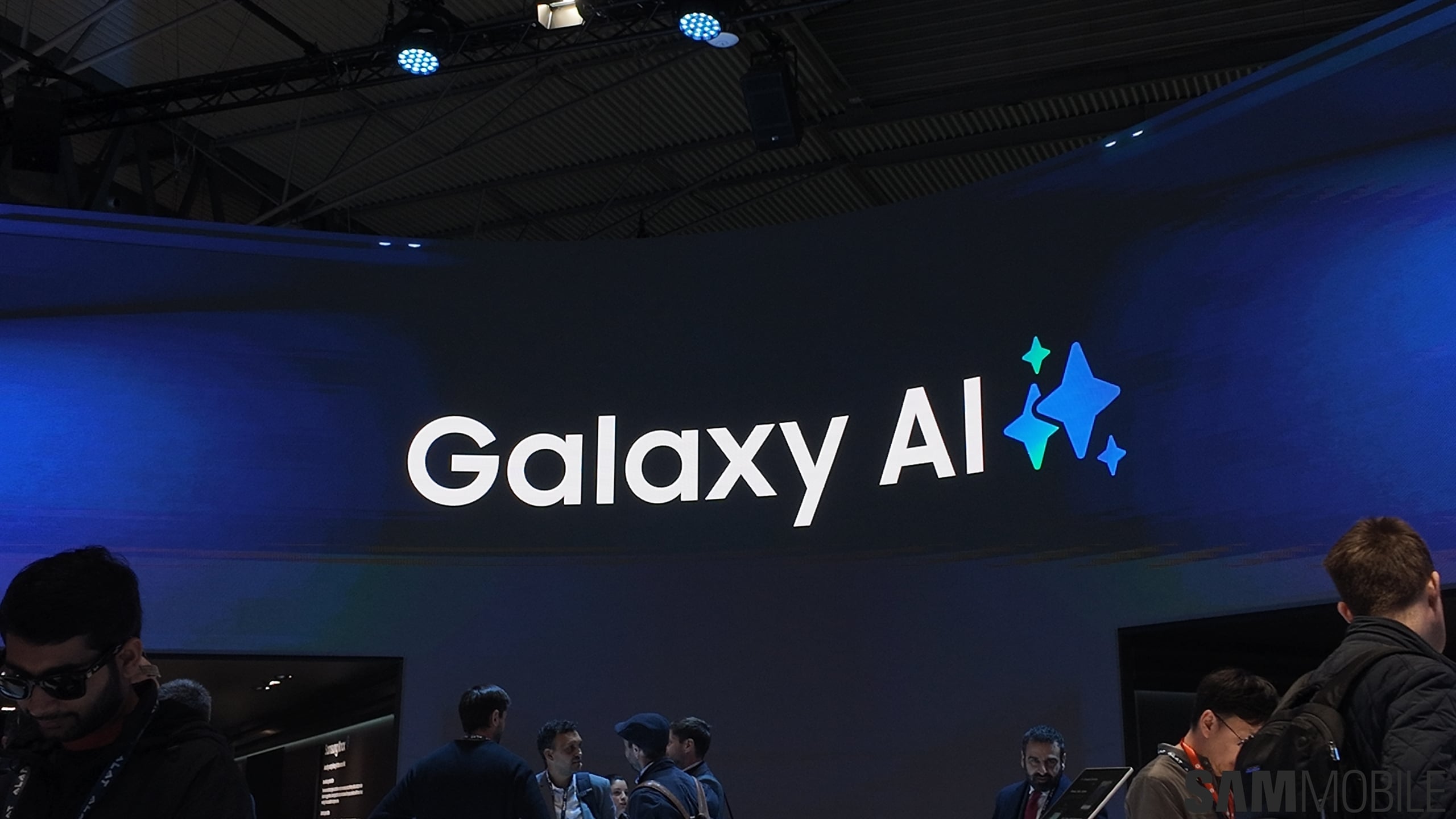
Samsung is now taking things a step beyond what Apple offers right now, building Galaxy AI as the foundational layer across all of its device categories, to provide a unified intelligent layer that enables users to extract far more value from their devices that they could ever do before.
Many felt that Cook's approach was much too cautious, and it enabled Samsung to race ahead in critical areas that will define the future. Apple's missteps with mobile AI are thoroughly documented while Samsung hit the ground running with Galaxy AI, and it has only gone from strength to strength in the years the Cupertino giant has spent sorting out Apple Intelligence.
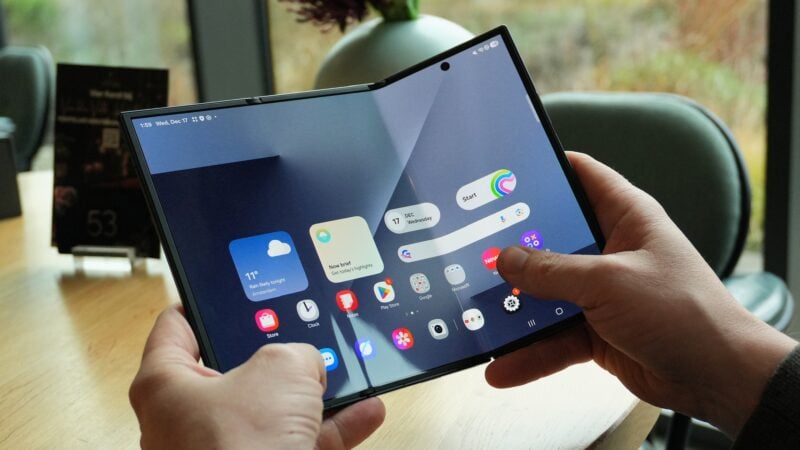
Samsung has also comprehensively beaten Apple in the foldable segment. The company is set to launch its eighth iteration of foldable phones this year. It has already launched a tri-folding phone, and already has an answer to the first foldable iPhone that Apple is expected to launch later this year. Samsung has an almost decade's worth of lead over Apple in this market.
It's so far ahead in terms of market share, technology, and software for foldables that Apple may have to pay catchup for the foreseeable future, even if it's able to draw upon the strength of its user base to quickly establish itself as a serious player in foldables.
Samsung has a different trajectory right now, but it must admit that Cook's time at Apple has been just the push Samsung needed to chart its own course. It pushed the company to do better and innovate faster, with customers being the ultimate beneficiary.
Ternus takes over from Cook a company that, despite its recent stumbles in AI and foldables, still sets the bar for what a seamless ecosystem should feel like. Samsung knows that better than anyone. It has been chasing that bar for fifteen years.