Last updated: September 24th, 2020 at 17:31 UTC+02:00
SamMobile has affiliate and sponsored partnerships, we may earn a commission.
Reading time: 2 minutes
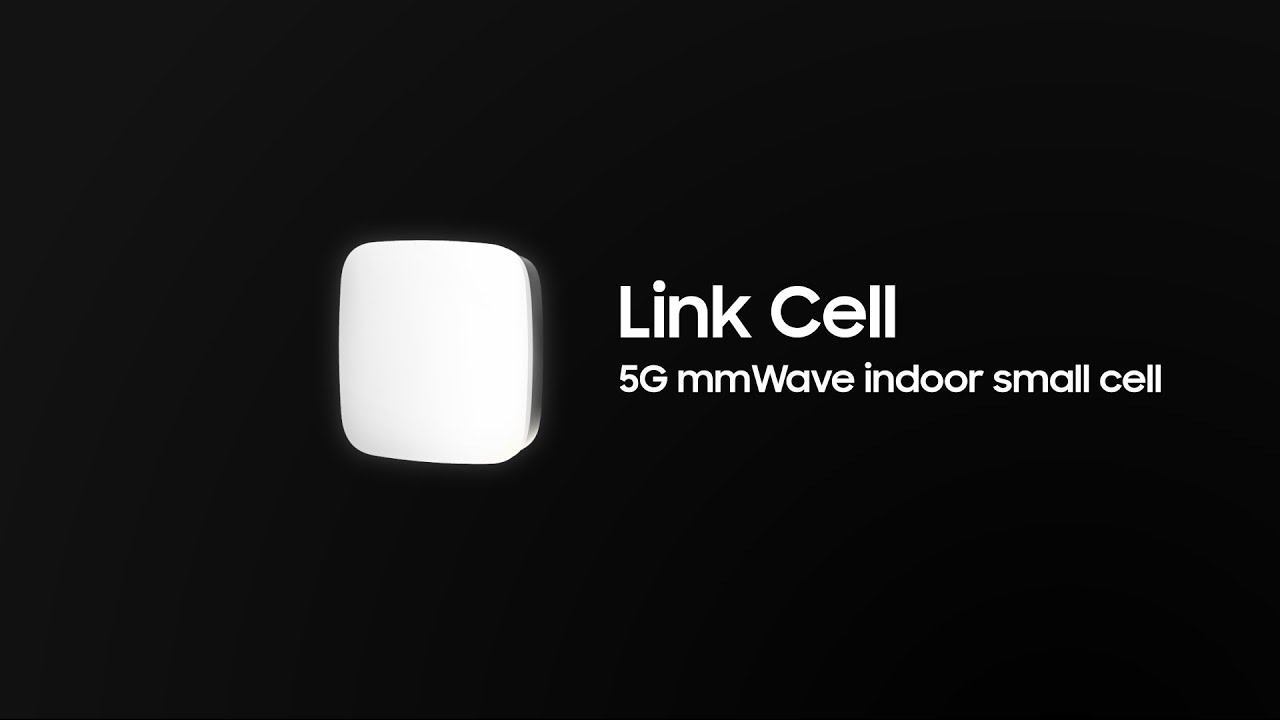
In simpler terms, Link Cell eliminates the number one disadvantage of mmWave communications – low signal penetration and high propagation loss. In even more simpler terms, high frequency bands that allow data to travel faster also make that very same data more susceptible to getting stuck in foliage, concrete, and pretty much anything else denser than air – including clouds.
A dense small network is one way to fight this natural disadvantage of mmWave networks. Another one would be to avoid them altogether, which is e.g. what T-Mobile U.S. has been doing with its low-band 5G network. However, limiting yourself to lower bands also means reducing the overall bandwidth potential of your supposedly next-generation network. Which is why mmWave is widely considered to be the “real” 5G tech, the one that's at the center of any new speed breakthrough you might have read about in recent years.
Naturally, Samsung is hoping Link Cell deployment will stretch far beyond its currently planned U.S. footprint. How far, exactly, remains to be seen, especially given how most major 5G rollouts around the world are still on pause due to all the chaos this year had in store for us.