Last updated: October 25th, 2023 at 11:16 UTC+02:00
SamMobile has affiliate and sponsored partnerships, we may earn a commission.
Reading time: 3 minutes
Samsung Foundry is already working on the second-generation 3nm chip fabrication process, and that process could be used to make the Exynos 2500 and probably the Snapdragon 8 Gen 4 in late 2024. Samsung Foundry CTO, while talking at the Semiconductor Expo 2023 event held at COEX in South Korea, said that it takes around three years for a client to make a final purchase, and Samsung Foundry is already in talks with large customers, so those talks could materialize in the next few years.
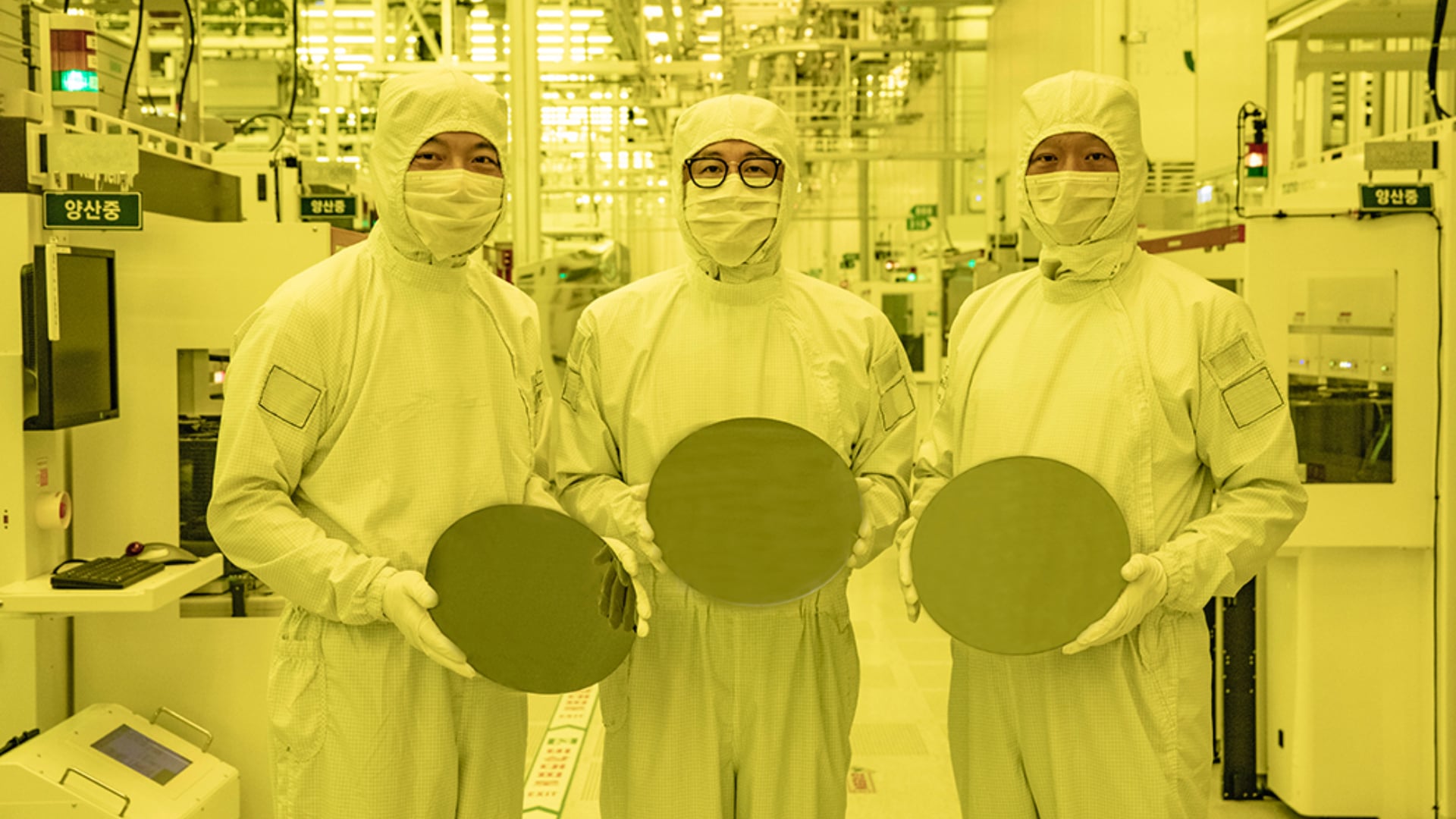
The South Korean chip fabrication firm was criticized as it couldn't get any major customers despite being the first in the world to have brought GAA (Gate All Around) technology. However, Samsung has now expressed confidence in getting big chip clients for its 3nm and newer chip fabrication processes. It is already in talks with some big chip clients for its 1.4nm and 2nm processes.
Samsung Foundry CTO Jeong Ki-tae said, “While the GAA process is a technology that will last in the future, it is difficult to find any further improvements in FinFET technology. We are in discussions with large customers for future processes such as 2-nano and 1.4-nano.”
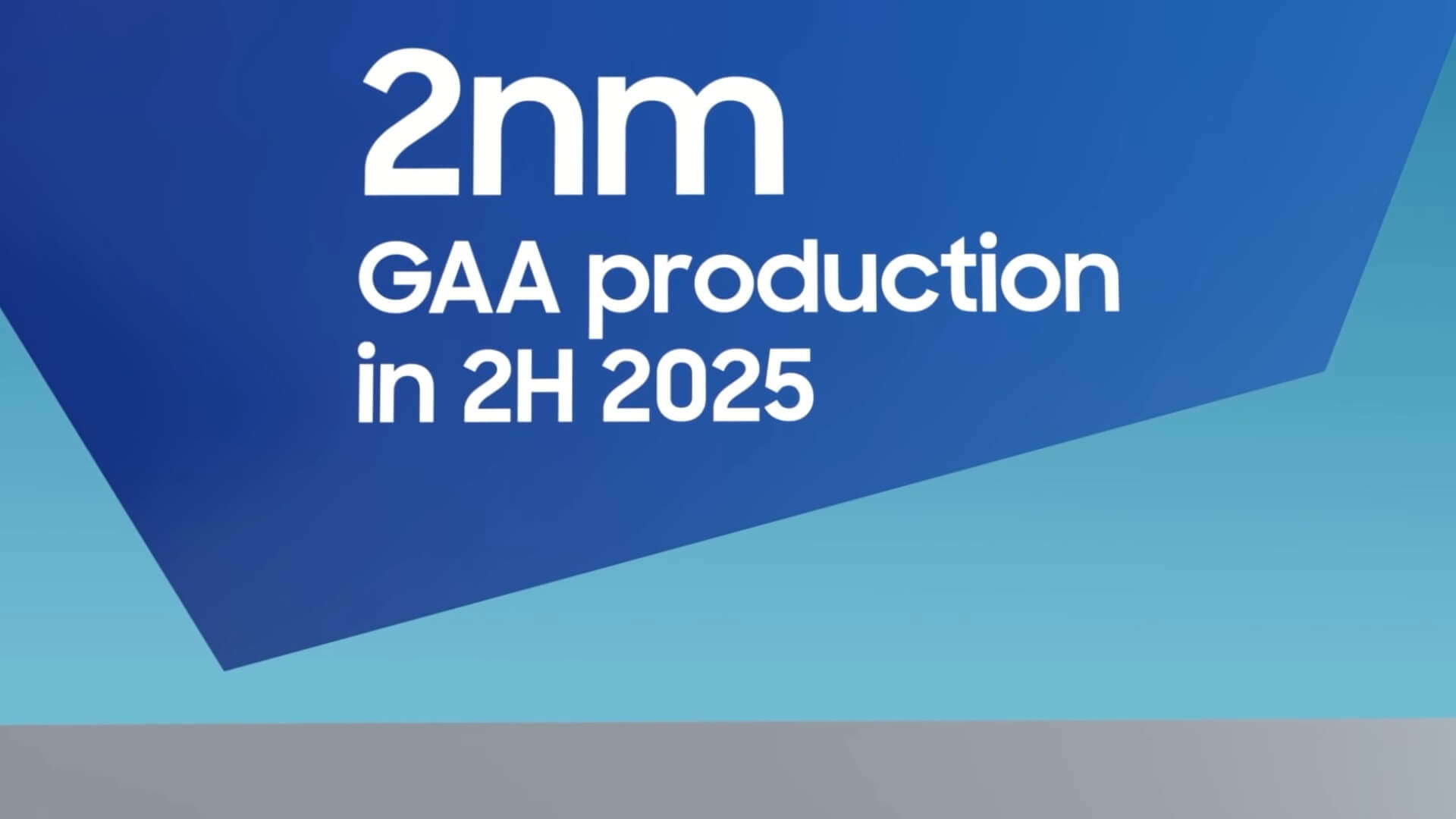
The South Korean firm aims to ready its 2nm chip fabrication process by 2025 and 1.4nm chip fabrication process by 2027.
He also said that stability is of utmost importance for chip firms as any issue with the foundry can lead to issues for end-users. He also explained that it is not easy for chip brands to adopt a new technology from the beginning. The chip client and a foundry need to have very close business ties and processes, and Jeong Ki-tae explained that the partners need to work like they're married for things to be successful.
Samsung Foundry's CTO also claimed that it is relatively easier for Chinese companies to enter the back-end process field in the chip fabrication space. However, they need to have a diverse customer base or have a firm that can do both front-end and back-end for their technologies to be successful at scale, and he feels that it is not easy for newer (Chinese) firms to enter this extremely competitive and complex business segment.

Asif is a computer engineer turned technology journalist. He has been using Samsung phones since 2004, and his current smartphone is the Galaxy S23 Ultra. He loves headphones, mechanical keyboards, and PC hardware. When not writing about technology, he likes watching crime and science fiction movies and TV shows.