Last updated: December 31st, 2024 at 09:43 UTC+01:00
SamMobile has affiliate and sponsored partnerships, we may earn a commission.
Reading time: 2 minutes
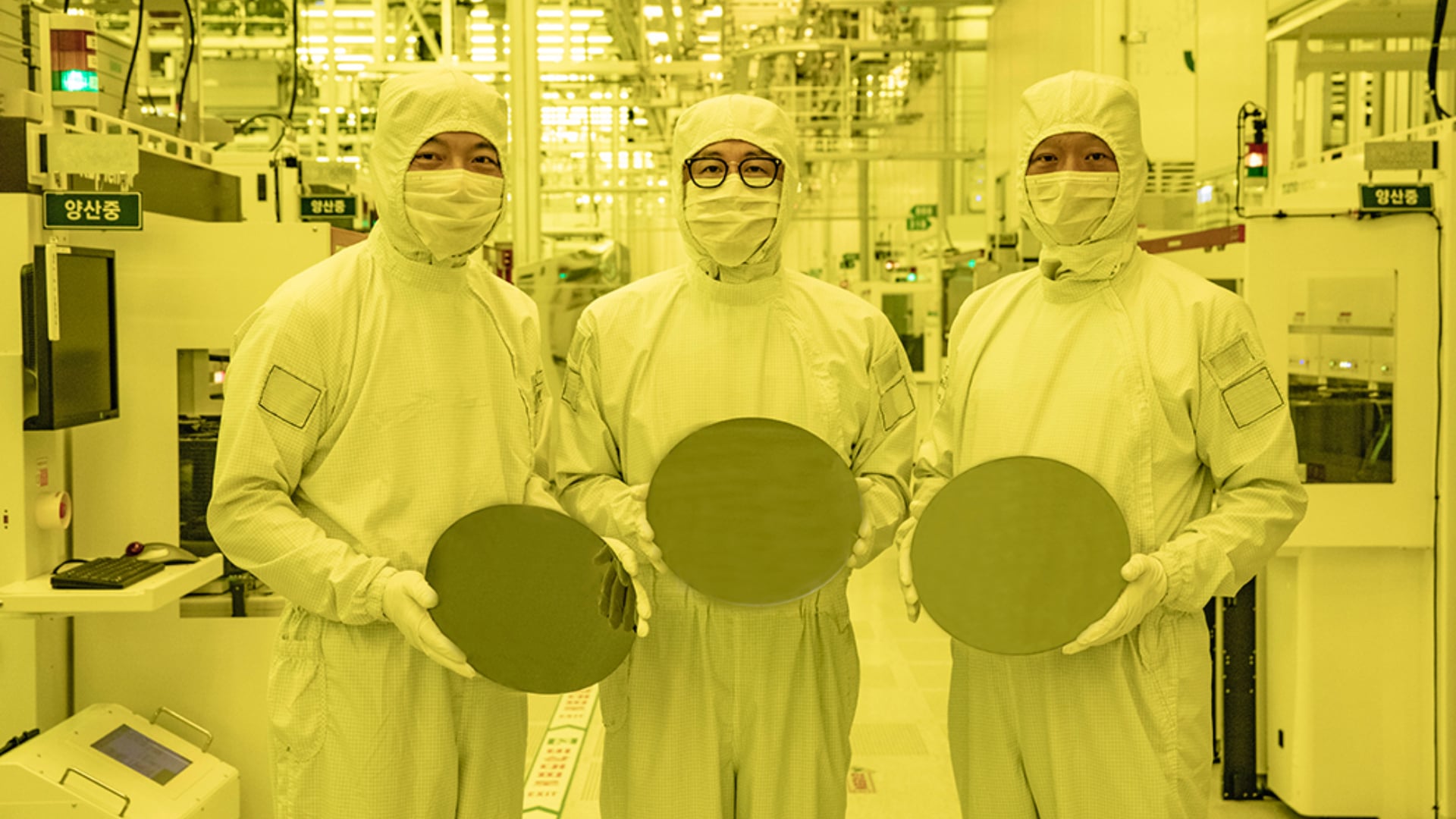
Apple was expected to use a 2nm chip (tentatively named A19 Pro) inside the iPhone 17 in late 2025. However, according to a report from Chosun Biz, Apple has postponed its 2nm chip production to 2026 due to TSMC's extremely high costs.
Currently, Japan's Rapidus, South Korea's Samsung Foundry, and Taiwan's TSMC are trying to start the mass production of semiconductor chips using their 2nm-class process nodes. TSMC is said to be ahead in this race, with yields reaching 60%, and is reportedly conducting process tests with its clients.

Apple, Nvidia, and Qualcomm are said to be the first brands to launch chips made using a 2nm process node. However, TSMC's production capacity is extremely limited. The company is investing heavily to expand its production capacity from the current 10,000 wafers per month to 80,000 wafers per month, but that could only happen by 2026.
So, Nvidia and Qualcomm are reportedly conducting tests using Samsung Foundry's 2nm process. While Samsung has secured orders from fabless chip firms like Preferred Networks (PFN), it needs big clients like AMD, Nvidia, and Qualcomm to achieve enough orders to become profitable.
Moreover, Nvidia and Qualcomm don't want to rely too much on TSMC, as they won't have the negotiating power and will have to pay TSMC extremely high costs. So, the companies want to diversify their supply chain and get at least some chips made by Samsung Foundry's 2nm process node.
Samsung Foundry received a bad reputation in the past, especially after Samsung's and Qualcomm's 4nm chips faced overheating and performance throttling issues. Since then, it hasn't been able to convert any top client for its 3nm chip process. And it might be the company's last shot at success.
The South Korean firm's entire semiconductor division is facing a huge risk, as the prices of DRAM and NAND have seen massive drops. Its HBM3E memory chips haven't received Nvidia's certification yet. If the company's 2nm process node fails to attract clients, things could get ugly at Samsung Foundry.

Asif is a computer engineer turned technology journalist. He has been using Samsung phones since 2004, and his current smartphone is the Galaxy S23 Ultra. He loves headphones, mechanical keyboards, and PC hardware. When not writing about technology, he likes watching crime and science fiction movies and TV shows.